

Oman joins EU-led pledge to block navigation tolls in key straits
Sultanate aligns with 60 nations to uphold UNCLOS and reject Iran’s Strait of Hormuz fees
Oman has become the latest nation to join a growing coalition opposing the imposition of tolls on international shipping routes. The sultanate signed a pledge on October 18, aligning itself with all 27 EU member states and 33 other countries committed to upholding the United Nations Convention on the Law of the Sea (UNCLOS).
The initiative, led by the European Union, aims to reinforce multilateral cooperation under the oversight of the International Maritime Organization (IMO). Signatories have pledged to reject coercive or unilateral actions that threaten freedom of navigation, a direct response to recent tensions in key maritime chokepoints. Among the non-EU participants are nations with critical waterways, including the United Kingdom and France (English Channel), Denmark and Sweden (Øresund Strait), Singapore (Strait of Malacca), and Japan (La Pérouse Strait).
Oman’s role in Gulf maritime security
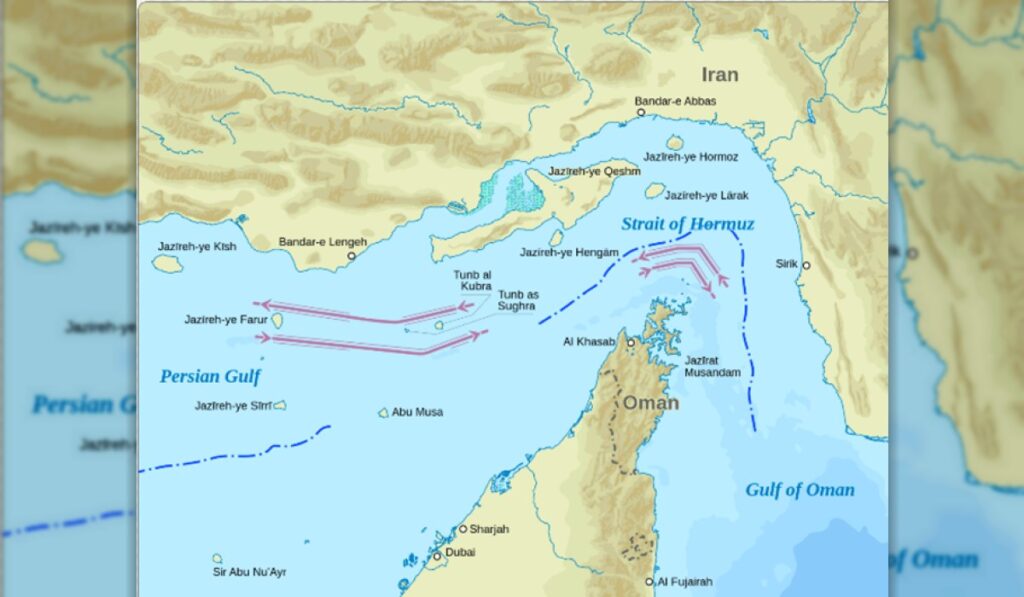
Oman’s decision holds particular significance in the Gulf, where the Strait of Hormuz remains a focal point of geopolitical friction. The sultanate has consistently advocated for the principles of UNCLOS, particularly the right of innocent passage, a position its permanent representative to the IMO has repeatedly emphasized. However, Oman’s own maritime regulations, outlined in MTCIT 30/2026, introduced requirements for vessels transiting its territorial waters, including mandatory AIS transmission and licensing procedures.
These measures, while compliant with UNCLOS Article 19, were initially designed to help offset the costs of maintaining navigation infrastructure, such as lighthouses, buoys, and a 24/7 search-and-rescue service. The regulations drew attention amid broader regional tensions, particularly Iran’s demands for control over the Strait of Hormuz. These competing pressures led to the postponement of a planned conference in Salalah on September 14, where Gulf states were expected to discuss reopening the strait under a revised traffic management system.
For now, Oman’s alignment with the EU pledge signals a firm rejection of unilateral measures that could disrupt global shipping. However, the sultanate’s regulatory framework, including the potential revision of MTCIT 30/2026, will remain under scrutiny as stakeholders seek to balance cost recovery with the principles of free navigation. The shipping industry continues to advocate for the restoration of the Strait of Hormuz’s Traffic Separation Scheme (TSS), though no immediate resolution appears forthcoming.


Sign up free to ask CAMAL AI for a summary, the key points or anything else about this story.
Related stories
CAMAL AI
 Financial Ports Newsletter
The maritime economy, every morning
Ports, shipping and freight markets in one short email. Free.



