

Oil Plummets 1.2% as Saudi Arabia Reroutes Crude via Oman
Brent crude falls to $104.59 a barrel after Riyadh announces ship-to-ship transfers at Sohar Port to bypass Hormuz.
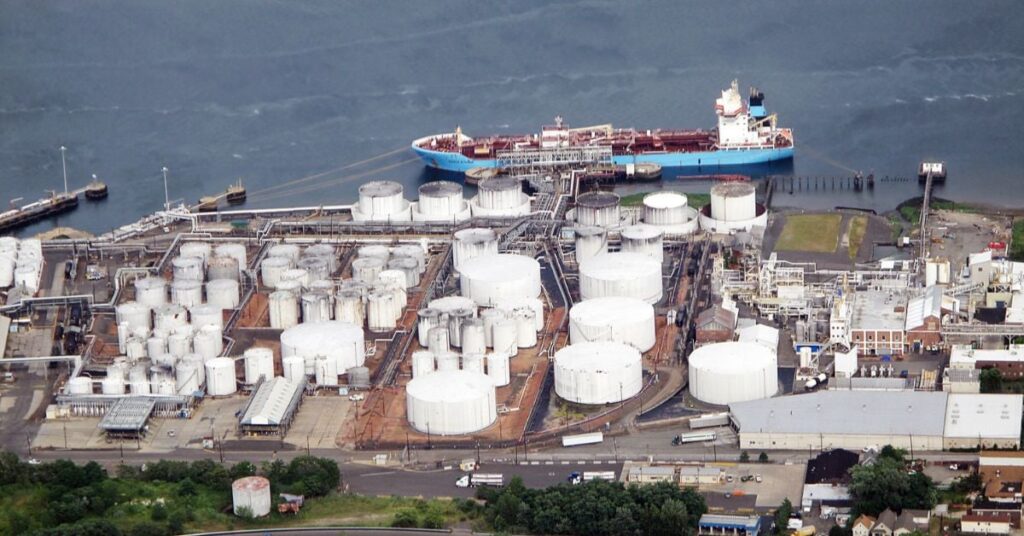
Oil markets tumbled on Wednesday after Saudi Arabia revealed it would reroute crude exports through Oman, easing fears of prolonged supply disruptions following drone attacks on its critical East-West pipeline. Brent crude futures slid 1.2% to $104.59 a barrel, while U.S. West Texas Intermediate fell 1.1% to $101.29, as traders digested the kingdom’s contingency plans amid escalating tensions in the Persian Gulf.
With the Strait of Hormuz, a chokepoint for one-fifth of the world’s oil, effectively closed due to the US-Iran War, Saudi Arabia has turned to ship-to-ship (STS) transfers at Oman’s Sohar Port to keep crude flowing to Asian buyers. The port, located just outside the Persian Gulf, offers a safer alternative to the high-risk waters of Hormuz, where Houthi attacks and naval blockades have disrupted shipping lanes.
“18 million barrels of crude and petroleum goods transited the strategic waterway this week,” said U.S. Energy Secretary Chris Wright, underscoring the scale of operations still relying on Hormuz despite the dangers. The strait, which connects the Persian Gulf to the Gulf of Oman, has long been a flashpoint in regional conflicts, with Iran repeatedly threatening to block it in retaliation for Western sanctions.
Brent Crude
However, the war risk premiums for cargoes passing through the strait have surged, pushing Saudi Arabia to explore alternative routes. The kingdom is also relying on U.S. Navy escorts to protect tankers navigating the volatile region, though this has done little to ease market jitters.
The East-West pipeline, also known as Petroline, was completed in 1981 to provide Saudi Arabia with an alternative export route that bypasses the Strait of Hormuz. Stretching from the oil fields of Abqaiq in the east to the Port of Yanbu on the Red Sea, the pipeline was designed to reduce the kingdom’s vulnerability to geopolitical risks in the Gulf.
At its peak, it could transport up to No se menciona en la fuente, though its current capacity stands at 7 million bpd following upgrades in the 2000s. The pipeline’s strategic importance has grown as tensions in the region have escalated, making it a prime target for adversaries.
The drone strike on the pipeline has exposed the vulnerability of Saudi Arabia’s energy infrastructure, even as the kingdom scrambles to restore half its lost capacity within days. The attack, claimed by the Houthi rebels, highlights the growing threat posed by unmanned aerial vehicles (UAVs) to critical infrastructure.
Saudi Arabia has accused Iran of supplying the Houthis with advanced drones and missiles, a charge Tehran denies. The use of drones in the attack underscores the evolving nature of warfare in the region, where asymmetric tactics are increasingly employed to disrupt energy supplies.
The upcoming US-China Summit has provided some relief, as expectations of a trade détente between the world’s two largest economies eased concerns over demand. The summit, scheduled for later this month, is expected to address key issues such as tariffs and energy cooperation, which could stabilise oil markets in the short term.
However, the broader geopolitical tensions in the Middle East continue to loom large, with the U.S. drawing down its strategic petroleum reserves. Inventories fell by 640,000 barrels last week to nearly 400 million barrels, further tightening supply and leaving little room for error in the event of further disruptions.
What This Means for Global Oil Markets and Consumers: Saudi Arabia
The closure of the East-West pipeline and the effective blockade of the Strait of Hormuz have sent shockwaves through global oil markets, with prices fluctuating in response to each new development. For consumers, this volatility translates into higher fuel prices at the pump, particularly in Europe and Asia, where Saudi crude is a key component of refining operations. Airlines and shipping companies, which rely on stable fuel supplies, are also feeling the pinch, with some carriers already announcing surcharges to offset rising costs.
Analysts warn that the situation remains precarious. “The market is walking a tightrope,” said one energy trader. “Any further escalation in Yemen or the Gulf could send prices spiralling again.” The International Energy Agency (IEA) has warned that prolonged disruptions could lead to a supply deficit of up to 2 million bpd, a scenario that would push prices even higher and strain economies already grappling with inflation.
For now, Saudi Arabia’s pivot to Oman offers a temporary reprieve, but with the East-West pipeline still offline and Hormuz effectively closed, the world’s oil supply hangs in the balance.
As repairs continue, the kingdom’s ability to maintain exports will be closely watched. The next six weeks could prove decisive, with the global economy bracing for further volatility if the disruptions persist. For businesses and consumers alike, the stakes are high. Companies with exposure to oil markets are advised to monitor developments closely and consider hedging strategies to mitigate risks. Meanwhile, governments may need to consider releasing strategic reserves to stabilise prices if the situation deteriorates further.
Next Steps and Official Channels for Updates
Saudi Aramco has not yet provided a detailed timeline for the full restoration of the East-West pipeline, but industry sources suggest that partial capacity could be restored within days. The company is expected to issue regular updates on its website and through official statements, which can be accessed here. Meanwhile, the U.S. Energy Information Administration (EIA) and the International Energy Agency (IEA) are closely monitoring the situation and will publish reports on global oil supply and demand in the coming weeks.
For real-time updates on oil prices and market developments, traders and analysts can refer to platforms such as Bloomberg Commodities and Reuters Commodities. The U.S. Navy’s Fifth Fleet, which oversees maritime security in the Gulf, also provides updates on shipping conditions in the Strait of Hormuz through its official channels.
As the situation evolves, stakeholders are urged to stay informed through these official sources to navigate the uncertainties in the global oil market. The coming weeks will be critical in determining whether the temporary measures put in place by Saudi Arabia and its allies can sustain oil flows or if further disruptions will push prices to new highs.


Sign up free to ask CAMAL AI for a summary, the key points or anything else about this story.
Related stories
CAMAL AI
 Financial Ports Newsletter
The maritime economy, every morning
Ports, shipping and freight markets in one short email. Free.
Financial Ports Newsletter
The maritime economy, every morning
Ports, shipping and freight markets in one short email. Free.



