

VLCCs fetch $235m as tanker owners play ‘The Price Is Right’
Secondhand VLCCs now trade at an 82% premium over newbuilds as geopolitical tensions tighten tonnage supply.
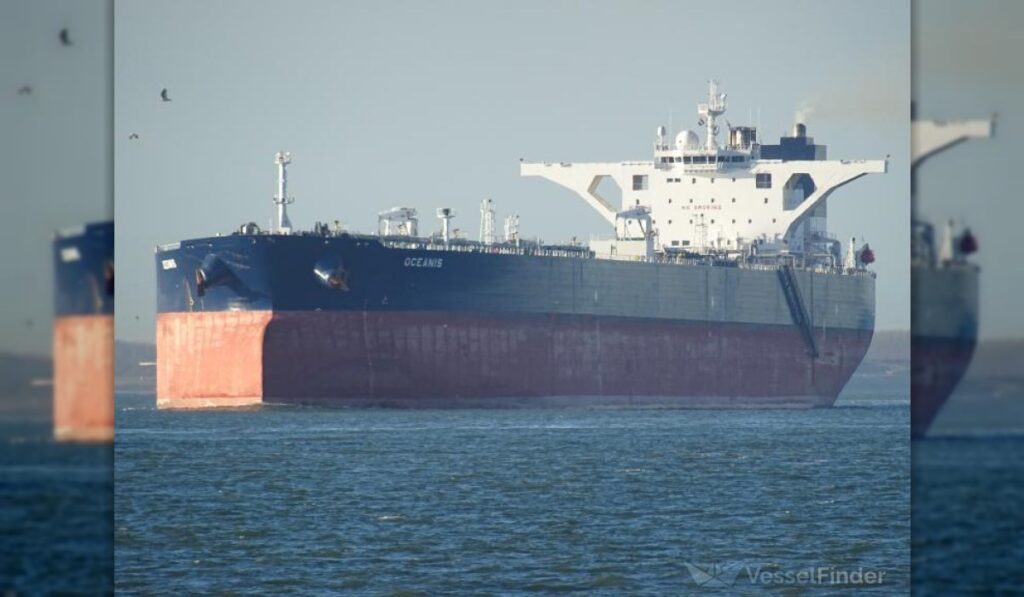
The market for secondhand very large crude carriers (VLCCs) has turned into a high-stakes game where even 15-year-old vessels command higher prices than brand-new ships ordered for delivery in 2029.
In a normal market, the price of a newbuilding sets the upper limit for secondhand values. However, the current freight environment, described by analyst Erik Broekhuizen of Poten & Partners as “red-hot”, has upended that logic. A new VLCC ordered today will not hit the water until 2029 at the earliest, while a secondhand vessel can be deployed immediately to capitalise on day rates that have surpassed $1 million. This has created an 82% premium for prompt delivery, with a five-year-old VLCC priced at $210 million and a 10-year-old at $180 million.
Why a 15-year-old VLCC costs more than a newbuilding: Price
The last time secondhand tankers traded above newbuild prices was in 2008, during the tail end of the commodity and shipping “supercycle.” Back then, the boom was driven by years of surging Chinese demand. Today’s spike, however, is rooted in geopolitical chaos.
Iranian attacks on tankers transiting the Strait of Hormuz have made the “Hormuz Shuttle Service”, the primary route for Middle East oil, a perilous endeavour. With independent owners reluctant to expose crews and vessels to these risks, Middle East producers are scrambling to acquire their own tonnage, further inflating prices for prompt delivery in the Arabian Gulf.
Despite the eye-watering prices, the secondhand tanker market remains remarkably illiquid. The shipping press is awash with rumoured transactions, but few deals materialise because the bid-ask spread is too wide. Owners with vessels on the water are reaping record earnings and see little incentive to sell, especially when prices are rising daily. As Broekhuizen notes, “nobody wants to sell too soon.” After all, why part with a ship today when it could fetch an even higher price tomorrow?
Some owners are turning to forward sales, agreeing on a price now for delivery in six months, to lock in gains while still benefiting from the current freight boom. Publicly listed owners have another tool at their disposal: using their highly valued shares as currency to facilitate transactions. This strategy allows them to monetise their assets without immediately relinquishing control of their vessels, providing a rare source of liquidity in an otherwise stagnant market.
The illiquidity paradox: why owners won’t sell
The Hormuz Shuttle Service, already strained by geopolitical tensions, is becoming even more critical, and expensive, as producers internalise their shipping needs.
The numbers are undeniably compelling: a VLCC earning over $1 million per day can recoup its $235 million price tag in less than eight months.
La estrategia de ventas forward y el uso de acciones como moneda reflejan la cautela del sector, que prioriza la liquidez sin deshacerse de activos en un contexto de alta demanda. Los plazos establecidos para estas operaciones, seis meses en el caso de los contratos forward, marcarán el ritmo de las transacciones en los próximos meses.


Sign up free to ask CAMAL AI for a summary, the key points or anything else about this story.
Related stories
CAMAL AI
 Financial Ports Newsletter
The maritime economy, every morning
Ports, shipping and freight markets in one short email. Free.



