

Iran’s Oil Runs Dry as US Blockade Bites
Tehran’s floating oil stocks off China and Malaysia set to vanish by year-end, cutting off 90% of exports
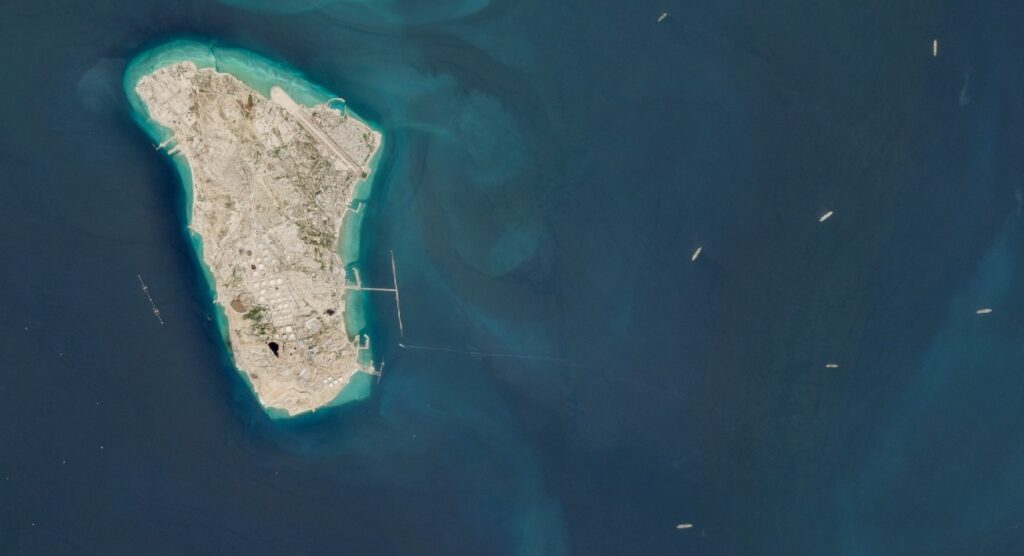
Iran’s government is running out of cash as the US naval blockade chokes off its last oil revenues, with floating stocks off China and Malaysia expected to vanish before the end of the year. The financial squeeze has already hit salary payments across key sectors, including the military and the Islamic Revolutionary Guard Corps (IRGC), according to US Central Command.
The US-led blockade has severed Iran’s primary economic lifeline: oil exports. Analysts estimate that 90% of Iranian crude previously flowed to China, but those shipments have now ground to a halt. The last remaining revenue source, oil stored in tankers off China and Malaysia, is expected to be depleted by December, cutting off Tehran’s final income stream. Kpler data suggests the country will receive its last payments before the year closes, leaving the regime with dwindling reserves.
Oil Revenues Vanish as Floating Stocks Drain: Iran
“Central Command has evidence that the cash shortage is now affecting salary and pension payments in Iran’s energy, oil, manufacturing, construction, aviation, steel and automotive sectors,” he stated. The crisis has even reached the military, with reports of delayed payments to regular forces and the IRGC, including its Basij internal security units, which are responsible for suppressing domestic unrest.
The blockade’s impact extends beyond oil. Operation Economic Fury, orchestrated by the US Treasury, has frozen assets and severed financial networks, exacerbating shortages and driving inflation to a record 70%. The Iranian rial has collapsed to 2,695,000lion per dollar, despite interventions by the Central Bank of Iran. These pressures are not only hurting ordinary citizens but also eroding support among the regime’s core backers.
While the US Navy has achieved 100% effectiveness in blocking traffic to and from Iranian ports, regional allies have continued to move oil through the Strait of Hormuz. Over the past seven days, 400 vessels carrying 100 million barrels, equivalent to more than 50 VLCC transits, have passed through the waterway.
Economic Collapse Fuels Political Instability
The financial strain has deepened divisions within Iran’s political elite. Hardliners, including the Paydari faction and the IRGC, have pushed for military escalation, leading to a surge in attacks on shipping in the Strait of Hormuz and nearby anchorages off Fujairah, Sohar, and Saudi Arabia. However, these strikes have yet to target critical infrastructure in Gulf nations, suggesting even hardliners fear a broader conflict. Amid the turmoil, reformist voices are gaining traction.
“while the U.S. naval blockade was 100% effective in controlling traffic to and from Iranian ports, the converse was true for the United States’ regional partners, which had passed 400 vessels and 100 million barrels of oil through the Strait of Hormuz in the previous seven days.”
Admiral Brad Cooper·Head of US Central Command


Sign up free to ask CAMAL AI for a summary, the key points or anything else about this story.
Related stories
CAMAL AI
 Financial Ports Newsletter
The maritime economy, every morning
Ports, shipping and freight markets in one short email. Free.



