

Luxury Cargo Washes Ashore as GFS Pride Sinks in Hormuz
2,500 containers carrying iPhones and luxury perfumes lost after projectile attack in critical waterway.
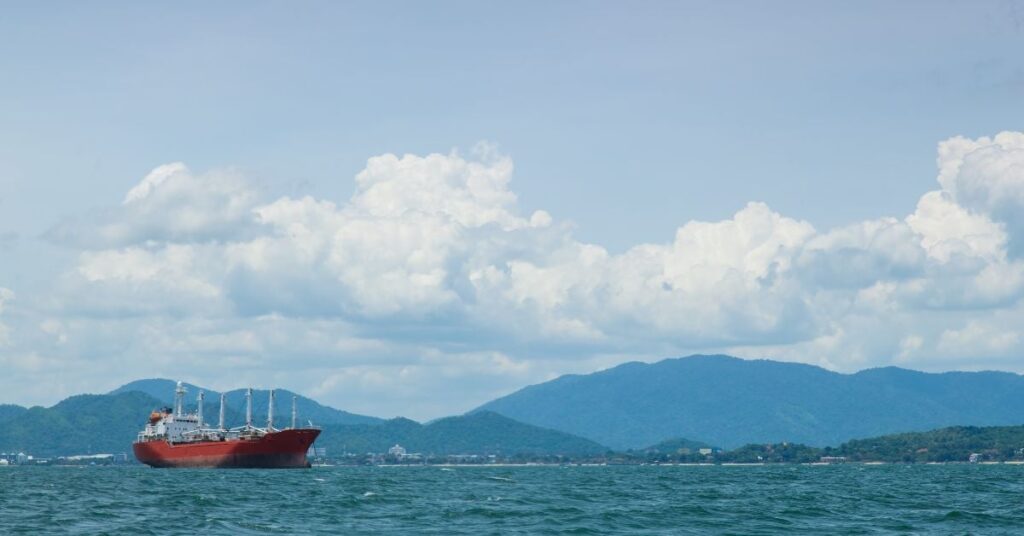
All 21 crew members were rescued unharmed, but the loss of the vessel and its high-value cargo underscores the escalating risks in one of the world’s most critical shipping lanes.
The GFS Pride, en route from Dubai, was carrying a full load of consumer electronics and luxury goods when it was struck. Maritime officials confirmed the vessel was hit by a projectile, which ignited a fire before the ship sank. Iran claimed the vessel had struck a naval mine while sailing what it described as an “unauthorised route” through the strait, though this account was disputed by other authorities.
Video footage circulating online showed dozens of perfume bottles and iPhone boxes bobbing in the water around the stricken vessel.
Brent Crude
The UK UK Maritime Trade Operations agency agency (UKMTO) later confirmed the attack, noting that it was part of a broader surge in maritime violence. According to the agency, there were at least five ship attacks in the region last month and two in the past 48 hours alone.
The Attack and Its Aftermath: strait of hormuz
The sinking of the GFS Pride comes amid a sharp escalation in hostilities between Iran and Western powers. The U.S. Navy recently damaged a vessel linked to Iran in the Gulf of Oman, accusing it of targeting and monitoring American warships. In a separate incident, the U.S. struck an Iranian boat, though its crew was rescued before the vessel was destroyed. No casualties were reported in either engagement, but the exchanges have heightened fears of a broader conflict.
Iran has framed its actions as a response to what it calls a U.S. naval blockade of its ports and the sanctions imposed last month. Top Iranian officials officials have vowed to tighten their grip on the Strait of Hormuz, warning that they will employ “new tactics” against ships attempting to cross the waterway without permission.
The economic stakes are high. The Strait of Hormuz is a vital artery for global trade, particularly for energy exports. Any prolonged disruption could send oil prices soaring, a scenario that could have political repercussions in the U.S., where midterm elections are scheduled for next month.
Escalating Tensions and Wider Implications
The human cost of the recent attacks is also mounting. Last month, a bulk carrier sailing under the flag of Antigua and Barbuda sank near the strait after a drone strike, killing one seafarer. The incident served as a grim reminder of the dangers faced by crews operating in the region. With attacks becoming more frequent, shipping companies are under pressure to enhance security measures, though options remain limited in such a volatile environment.
For now, the focus remains on the GFS Pride and its lost cargo. While the 21 crew members were safely evacuated, the financial impact of the sinking is likely to be significant. The vessel was carrying 2500 containers, many of which held high-value electronics and luxury goods.
The UKMTO has urged all vessels operating in the area to exercise extreme caution and maintain a heightened state of alert.
As the situation develops, the Strait of Hormuz remains a flashpoint. With Iran signaling its intent to assert control over the waterway and the U.S. maintaining a robust naval presence, the risk of further clashes looms large. For the shipping industry, the message is clear: the era of safe passage through one of the world’s most critical maritime routes may be coming to an end.


Sign up free to ask CAMAL AI for a summary, the key points or anything else about this story.
Related stories
CAMAL AI
 Financial Ports Newsletter
The maritime economy, every morning
Ports, shipping and freight markets in one short email. Free.



