

United Republic of Tanzania charts roadmap for info-sharing centre to boost maritime security
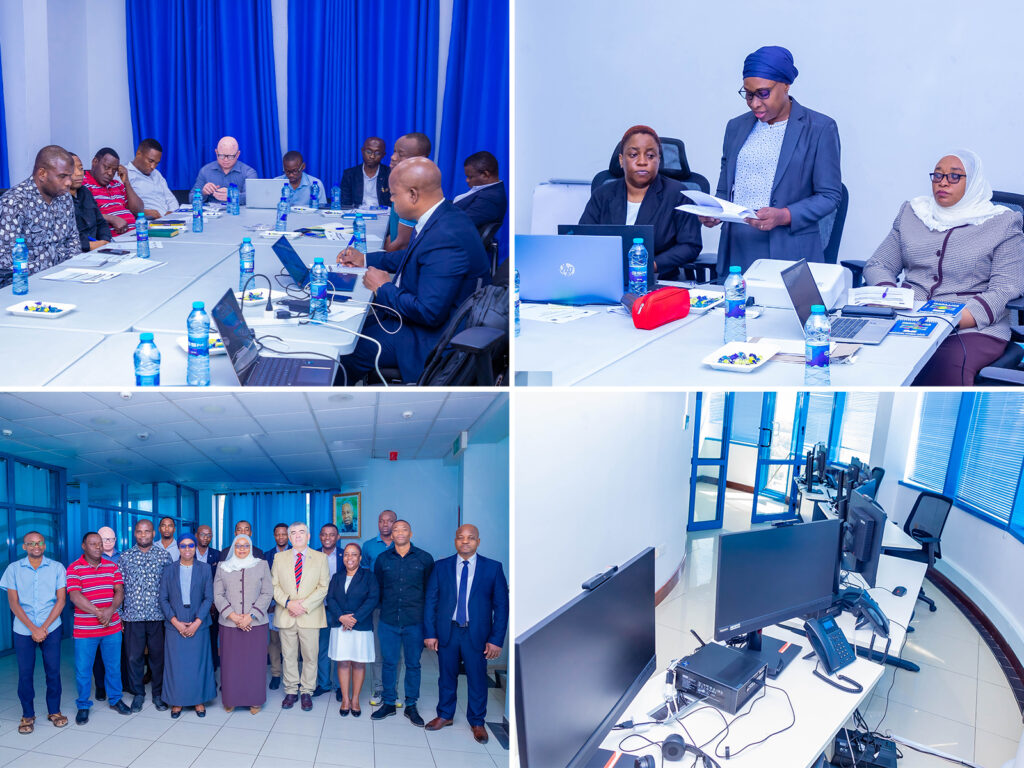
The United Republic of Tanzania has signalled progress toward operationalising a National Maritime Information Sharing Centre, outlining a roadmap intended to bolster coordination and situational awareness across its maritime domain. The initiative is framed as a practical step to enhance maritime security by improving how information is collected, fused, and shared among relevant actors involved in safety, security, and emergency response at sea.
While few public details have been released, such a roadmap typically focuses on turning a concept into daily practice. That often involves clarifying governance, setting standard procedures for reporting and dissemination, and defining technical workflows for handling maritime data. The emphasis is usually on reliability and timeliness, enabling users to recognize patterns, spot anomalies, and respond quickly to emerging risks without overburdening operational teams.
As information-sharing structures mature, the intended benefits are straightforward: faster incident reporting, better common operating pictures, and more consistent follow-up actions between authorities and responders. This can support alerts for hazards, coordination for search-and-rescue, and more coherent enforcement activity when irregularities are flagged. In effect, the centre aims to reduce blind spots and shorten the time between detection and decision, a critical factor when dealing with fast-moving events at sea.
Why the centre matters for maritime safety and trade
At a national level, stronger information-sharing underpins safer navigation, more predictable port operations, and greater confidence for seafarers and maritime businesses. For coastal communities, clearer lines of communication can help channel alerts and guidance during adverse weather or marine incidents. The same architecture can also support preventative measures by enabling patterns of activity to be monitored over time, helping to deter illicit behaviour and reinforce lawful maritime commerce.
In comparable projects worldwide, effective information-sharing rests on broad participation and clearly defined roles. Whole-of-government involvement—spanning operational services, regulatory bodies, and emergency management—is commonly paired with structured channels for industry reporting and feedback. Training, drills, and periodic reviews tend to be crucial to maintain proficiency, while data protection and privacy safeguards help build trust among contributors and users.
Public updates so far remain concise, noting “progress” toward operationalisation without detailing milestones, timelines, or budget parameters. Greater clarity on these elements, alongside information-management policies and service levels, would help stakeholders understand how the centre will function in practice. Equally important is transparent guidance on how maritime users can submit reports and receive advisories once the system reaches operational readiness.
Looking ahead, observers typically watch for several signals of momentum: designation of communication nodes and duty officers; publication of reporting formats and incident thresholds; initial connectivity with existing platforms and hotlines; and scheduled training cycles to test procedures under realistic conditions. As these pieces come together, the centre’s value will be measured by consistency—routine information shared reliably—and by performance during high-tempo events when minutes matter most.


Sign up free to ask CAMAL AI for a summary, the key points or anything else about this story.
Related stories
CAMAL AI
 Financial Ports Newsletter
The maritime economy, every morning
Ports, shipping and freight markets in one short email. Free.
Financial Ports Newsletter
The maritime economy, every morning
Ports, shipping and freight markets in one short email. Free.



