

Peru and Guatemala Forge Alliance for Port Development
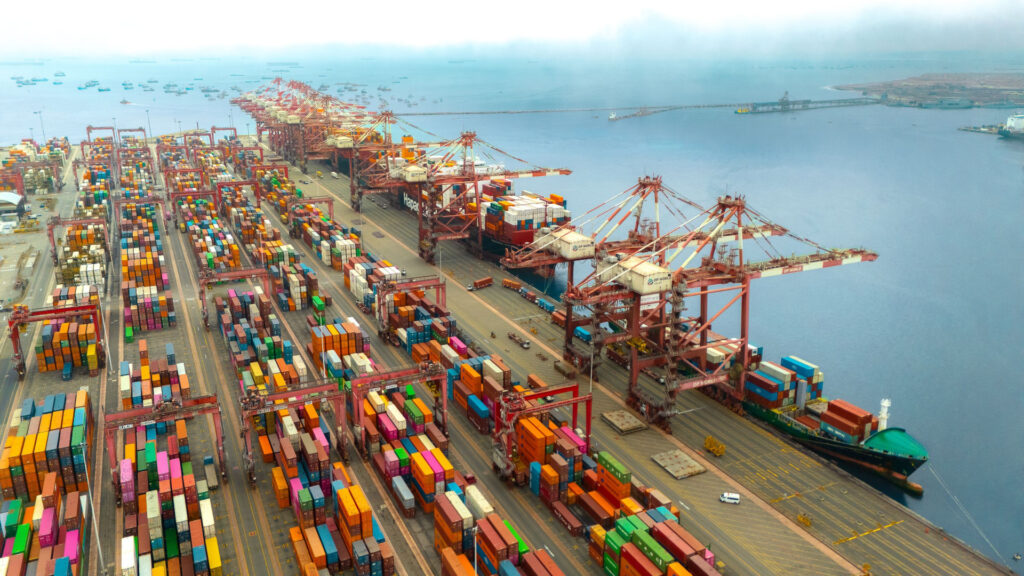
Peru and Guatemala are promoting a key alliance aimed at boosting port development, a move that underscores their shared intent to strengthen maritime infrastructure and trade facilitation. The announcement frames a cooperative path focused on improving capacity, connectivity, and service quality across port systems in both countries. Without overpromising, the initiative places emphasis on joint action as a means to raise operational standards, reduce bottlenecks, and align long-term planning with evolving regional and global shipping demands.
At this stage, the available information highlights intent rather than finalized commitments. No formal details on timelines, financing structures, governance mechanisms, or specific facilities have been disclosed in the provided material. That underscores a pragmatic reality: early-stage cooperation typically starts with dialogue, scoping, and benchmarking to identify priority needs, feasible interventions, and the institutional arrangements required to deliver measurable results in complex port environments.
Regional context and potential impact
In Latin America, ports are central to economic performance, as the bulk of merchandise trade moves by sea. Cooperation between Peru and Guatemala could help align technical infrastructure criteria, share operational know-how, and accelerate workforce development. While outcomes will depend on execution, such alliances often explore harmonized procedures, terminal process optimization, yard planning, and data protocols that support end-to-end logistics visibility. When partners coordinate effectively, they can reduce turnaround times, improve efficiency, and create conditions that encourage private capital to participate under clear, predictable rules.
Beyond physical assets, collaboration typically addresses soft measures that deliver outsized gains. These include common performance indicators, port state control coordination, training frameworks for pilots and stevedores, and aligned safety and security practices. By working from comparable standards, ports can streamline interactions with carriers, shippers, and freight forwarders, while presenting a coherent value proposition to prospective investment. In practice, that can translate into better berth planning, more reliable schedules, and reduced variability—factors that directly influence service contracts and route decisions.
Resilience has become a defining imperative for maritime networks. Coordinated planning enables ports to anticipate disruption, distribute flows more evenly, and recover capacity faster after shocks. Joint initiatives often include risk mapping, mutual aid protocols, and business continuity playbooks that strengthen resilience across the system. For trade-dependent economies, the ability to maintain cargo fluidity during stress events is as important as adding new cranes or dredging channels, because reliability under pressure shapes long-term customer confidence.
Digital transformation is another essential pillar. Port community systems, single-window interfaces for ships and cargo, and interoperable data standards allow real-time coordination among terminals, customs, and hinterland transport. Thoughtful digitalization can cut administrative friction, reduce errors, and improve predictability for exporters and importers. Likewise, coordinated environmental strategies—shore power roadmaps, energy efficiency programs, and clear emissions baselines—can advance practical sustainability goals without compromising throughput, aligning operational improvements with regulatory expectations and market requirements.
Governance will be decisive. Durable partnerships rest on transparent decision-making, clear accountability, and stable legal frameworks. Effective public–private engagement, competitive procurement, and lifecycle asset management help ensure that capacity expansions are bankable and deliver value for money. Equally important are community relations and labor dialogue, which reduce project risk and support on-time delivery. When these elements converge, ports can improve service quality and cost structures, reinforcing regional competitiveness in maritime trade.
Stakeholders will look for tangible next steps to translate intent into impact. Typical milestones include a memorandum of understanding, joint working groups, baseline diagnostics, and pilot projects targeting quick wins—such as process reengineering in gates and yards, digitized documentation flows, or synchronized maintenance schedules. Early, verifiable gains can build momentum, define responsibilities, and inform investment roadmaps that sequence projects by urgency, feasibility, and expected return on trade facilitation.
The signal from Peru and Guatemala is strategically clear: cooperation is the chosen path to accelerate improvements in port performance. The breadth and depth of future deliverables will determine how much capacity, reliability, and cost efficiency the alliance ultimately adds to regional trade. For now, the initiative establishes a foundation for structured collaboration—one that can evolve from intent to execution as partners define scope, mobilize resources, and measure outcomes against transparent benchmarks.


Sign up free to ask CAMAL AI for a summary, the key points or anything else about this story.
Related stories
CAMAL AI
 Financial Ports Newsletter
The maritime economy, every morning
Ports, shipping and freight markets in one short email. Free.
Financial Ports Newsletter
The maritime economy, every morning
Ports, shipping and freight markets in one short email. Free.