

DNV Paper: Existing LNG Infrastructure Eases Shift to Low‑GHG Methane
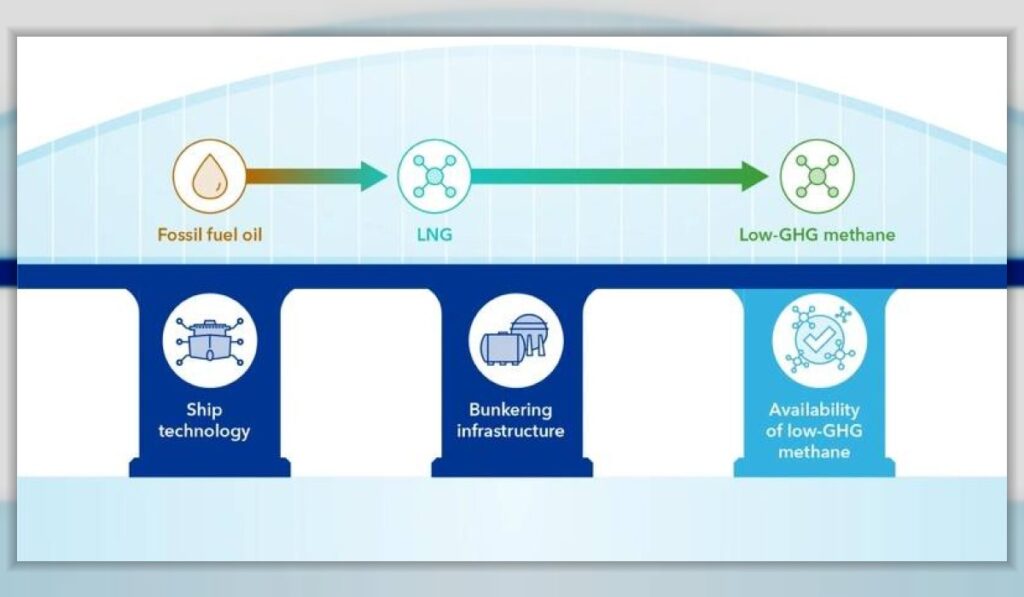
A new paper from DNV finds that demand for low greenhouse gas (GHG) methane is expected to grow in the coming decades as the number of vessels capable of using liquefied natural gas (LNG) continues to rise and emissions requirements become more stringent. The study underscores that infrastructure already in place for LNG can help ease the transition toward lower‑GHG methane used as marine fuel. At the same time, the paper explicitly cautions that the long‑term viability of such methane as a marine fuel will depend on regulatory clarity, making the timing and contours of future rulemaking a decisive variable for shipowners, fuel suppliers, and ports.
According to the paper, the expanding universe of ships designed or retrofitted to run on LNG is a central factor shaping future fuel choices. As that LNG‑capable fleet grows, the appeal of fuels that can leverage the same or similar infrastructure rises in parallel. The authors point to existing LNG infrastructure as a practical platform that could support a transition toward methane variants with reduced life‑cycle GHG intensity. This approach, the paper suggests, could lower operational and logistical barriers compared to building entirely new supply chains from scratch.
Regulatory clarity will determine long‑term viability
The paper’s core caveat is precise: the long‑term role of low‑GHG methane in shipping will depend on regulatory clarity. Emissions frameworks are tightening, and the direction of future compliance pathways will shape investment decisions across the marine fuel value chain. In other words, rules now being discussed—and those yet to be drafted—will influence how quickly shipowners commit to low‑GHG methane, how suppliers scale production, and how ports consider bunkering and safety protocols. Absent sustained clarity, stakeholders may hesitate to commit capital at the pace implied by the expected demand growth.
Natural Gas
Growing emissions pressure, as observed by the paper, is a primary catalyst for interest in lower‑GHG fuel options. This pressure intersects with the practical reality that many vessels already have LNG systems on board or are designed to accommodate them. Against this backdrop, the suggestion that existing infrastructure can help smooth the shift is notable: it situates low‑GHG methane not as a speculative pathway, but as one plausibly aligned with the technical direction of the current fleet. Yet the authors stop short of prescriptive conclusions, instead emphasizing that regulatory signals will be the key determinant of whether this pathway scales and sustains over time.
The focus on infrastructure is equally pragmatic. By highlighting assets already deployed for LNG, the paper implies that operational familiarity and established handling practices could reduce friction in adopting lower‑GHG methane variants. That potential alignment may shorten learning curves and mitigate some implementation risks. However, the extent to which this benefit materializes depends on how forthcoming rules define emissions accounting, verification, and allowable pathways—parameters that can materially affect whether infrastructure parity translates into compliance advantages.
The analysis frames a market dynamic in which predicted demand growth coexists with policy dependence. As the LNG‑capable fleet expands and emissions thresholds intensify, decision‑makers are weighing fuels that promise measurable GHG reductions without necessitating entirely new logistics networks. Low‑GHG methane fits this description in principle, the paper indicates, but its trajectory will be set by regulatory design choices that clarify eligible reductions, documentation requirements, and potential phase‑in timelines. Until those elements are explicit, investment will likely track the evolving policy picture.
In practical terms, the paper’s findings direct industry attention to two parallel tasks: monitoring regulatory developments that will define compliance boundaries and evaluating how well existing LNG systems can accommodate lower‑GHG methane within those boundaries. The alignment—or misalignment—between infrastructure capability and regulatory requirements will shape cost, availability, and adoption speed. The study therefore positions policy visibility as the hinge on which the attractiveness of low‑GHG methane will turn for marine stakeholders over the coming decades.
Overall, the paper delineates a pathway that marries anticipated demand with infrastructural readiness, conditioned by the decisive role of regulation. It indicates that the shipping sector has a transitional option that could be enabled by assets already in service, while reiterating that durable uptake will require clear, consistent, and timely rules. As emissions expectations rise and the LNG‑capable fleet broadens, the extent of regulatory clarity will likely determine how far and how fast low‑GHG methane can advance as a marine fuel.


Sign up free to ask CAMAL AI for a summary, the key points or anything else about this story.
Related stories
CAMAL AI
 Financial Ports Newsletter
The maritime economy, every morning
Ports, shipping and freight markets in one short email. Free.
Financial Ports Newsletter
The maritime economy, every morning
Ports, shipping and freight markets in one short email. Free.



