

Strait of Hormuz deal: Iran and Oman split control—but US holds the key
Iran’s Revolutionary Guards confirm revenue-sharing agreement with Oman.
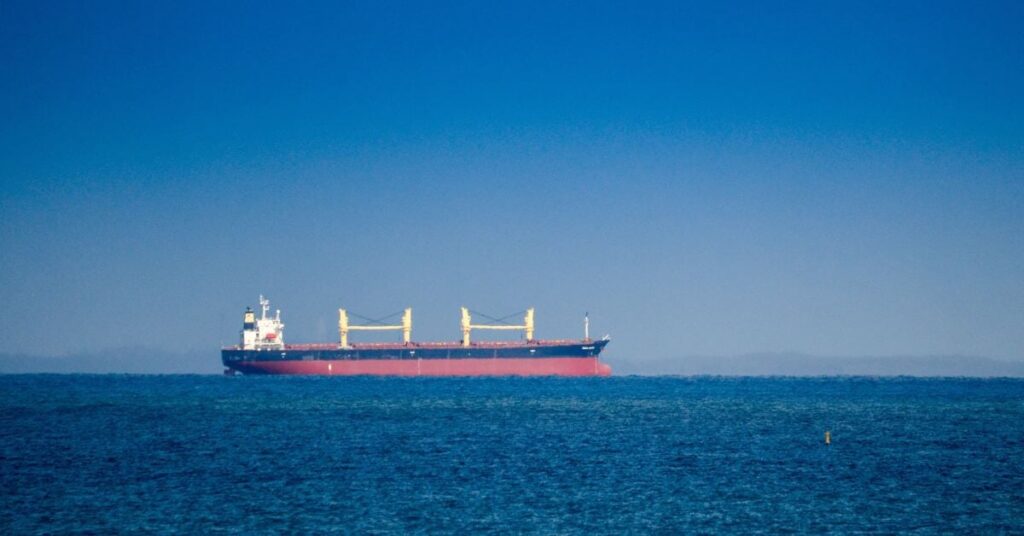
Iran and Oman have struck a deal to share control and revenue from the Strait of Hormuz, yet the waterway’s reopening hinges on a single obstacle: US approval. The agreement, announced by Iran’s Revolutionary Guards on Wednesday, outlines a revenue-sharing framework and a phased plan to clear mines and restore shipping, but Tehran insists the strait will remain closed unless Washington meets its conditions.
Mohebbi confirmed that both nations had settled on “each country’s share of the waters of the Strait and the revenue generated by the waterway.” Yet he was unequivocal about the deal’s limitations: “The Strait could reopen if the US stopped blocking the process and returned to the agreement. If the United States does not accept Iran’s conditions, the Strait will not reopen.".
Oman, a key mediator in the region, has pushed for a temporary shipping corridor to ease the blockade. Omani Foreign Minister Badr bin Hamad Al Busaidi said after meeting his Iranian counterpart, Abbas Araghchi, that he hoped a corridor would be announced “soon.” The framework includes mine-clearing operations and phased reopening, though a permanent solution remains elusive. Qatar has also backed the talks, with Prime Minister Sheikh Mohammed bin Abdulrahman bin Jassim Al-Thani discussing the corridor with Araghchi by phone on Tuesday.
What the Iran-Oman deal means for shipping, and why the US is the sticking point: strait of hormuz
“The Strait will not reopen unless the United States accepts Iran’s conditions.”
Hossein Mohebbi·Iran’s Revolutionary Guards spokesman
Despite the progress, the US has dismissed Iran’s claims. President Donald Trump asserted on Wednesday that mines had been removed and the strait was open, citing about 10 million barrels of oil passing through the previous day. Iran swiftly rejected the statement, insisting only its officials know the location of remaining explosives. The International Maritime Organisation (IMO) has also cast doubt on Trump’s claims, stating there is no confirmation that the waterway is safe for unrestricted traffic.
Transit fees and regional tensions: The hidden barriers to reopening
The standoff has revealed deeper fractures. Iran began charging transit fees to some vessels in the early weeks of the conflict, a move Oman opposes.
The economic stakes are immense. Analysts warn that even a temporary corridor would fall short of a full reopening.
While Iran and Oman’s agreement marks a rare moment of cooperation, the US’s refusal to bend to Tehran’s demands leaves the waterway’s future in limbo. With millions of barrels of oil at stake daily, the world watches, and waits, for the next move.


Sign up free to ask CAMAL AI for a summary, the key points or anything else about this story.
Related stories
CAMAL AI
 Financial Ports Newsletter
The maritime economy, every morning
Ports, shipping and freight markets in one short email. Free.
Financial Ports Newsletter
The maritime economy, every morning
Ports, shipping and freight markets in one short email. Free.



