

Singapore’s maritime edge shifts from volume to trust
Bunker sales in the city-state hit 28.2 million tonnes in H1, up nearly 5% year-on-year despite Hormuz disruptions.
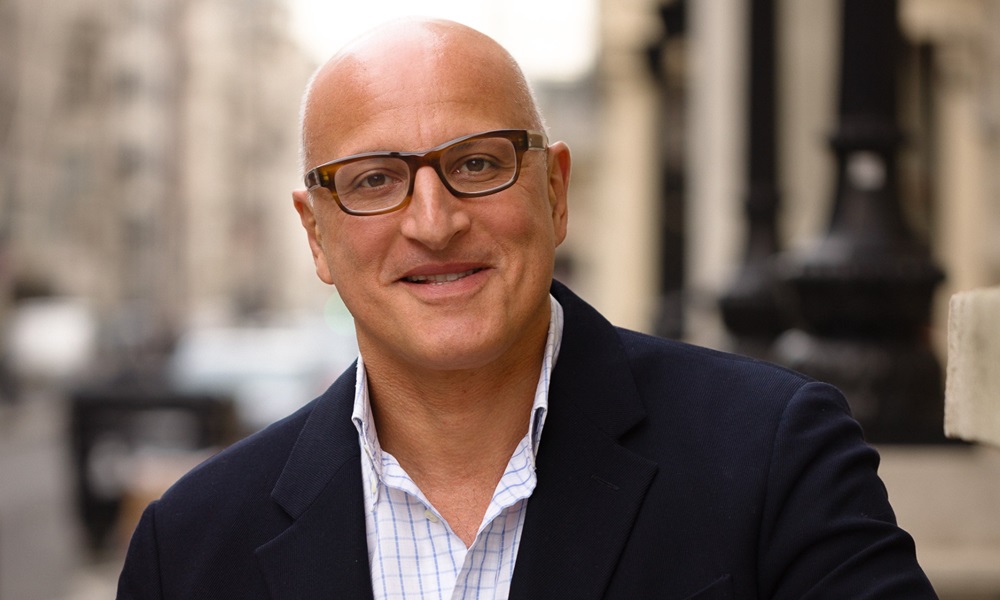
The Strait of Hormuz has closed as a shipping artery for seven months, yet Singapore’s bunker sales have defied the blockade, climbing to 28.2 million tonnes in the first half of 2026, nearly 5% higher than last year. The resilience, argues Paratus CEO Gus Majed, signals a permanent shift in maritime risk pricing and the rise of trust as the new competitive edge for ports.
Majed, whose firm specialises in fuel and freight price risk, will chair the tanker session at next month’s Splash Singapore conference. His message is stark: “The war promoted Singapore from the world’s fuel pump to the system’s safe harbour.” Over half of Singapore’s bunker feedstock once flowed through Hormuz, but when conflict severed that supply line, the city-state rebuilt its supply chain within weeks. The lesson, he says, is unequivocal: “That is the real edge: not volume, adaptability.”
Trust as the new currency in compliance-era bunkering: strait of hormuz
The next battleground for ports, Majed predicts, will be measurement. “The port that can certify what a ship actually burned owns compliance-era bunkering,” he states. Singapore’s historical advantage lay in its scale, 28.2 million tonnes of bunker sales in six months, but its future, he argues, hinges on trust. “Singapore’s old edge was volume. Its next edge is trust.”
This trust is not abstract. It is built on Singapore’s role as neutral ground for pricing Asian freight, fuel, and risk, where owners, charterers, financiers, and insurers converge. Meanwhile, oil producers like ADNOC are becoming shipowners themselves, buying VLCCs while Bahri’s Bahri now operates a fleet exceeding 100 vessels. “The customer has become the competitor,” Majed observes, a dynamic that is reshaping vessel values. Modern VLCCs now command $130 million, a price not seen since 2008, against a backdrop of an ageing fleet and modest growth in compliant tonnage.
Hormuz’s ripple effect: War, climate, and the new chokepoints
The Hormuz crisis is not an isolated event. Majed describes a trifecta of disruptions: “War closed one artery and climate is squeezing two more.” El Niño has lowered water levels in the Panama Canal, while shallow conditions on the Rhine are disrupting European inland shipping. These chokepoints are forcing the industry to confront concentration risk, changing ownership structures, and the vulnerability of global trade routes.
Even if diplomacy resolves the Hormuz crisis, the shipping industry will not revert to its pre-war state. “Owners and charterers have learned the strait can close for months, and that lesson does not expire with a memorandum,” Majed cautions. The crisis has embedded itself in war-risk premiums, crew terms, and charter clauses, while investments in alternative export routes, such as the ports of Fujairah and Sohar, are accelerating. “Middle East risk has been repriced, and no signature prices it back overnight,” he warns.
Technology is also evolving in response to the conflict. AIS shutdowns, dark transfers, and discrepancies between official flow estimates and vessel-tracking data have turned satellite intelligence and AI vessel analytics from niche tools into essential commercial infrastructure. These innovations will take centre stage at Splash Singapore, where Majed will be joined by panellists including Christoph Toepfer, Andreas Michalopoulos, and Nitin Mathur.
Con estas transformaciones en el sector, los actores del mercado aguardan los próximos desarrollos regulatorios y operativos. La cumbre Splash Singapore, prevista para el próximo mes, servirá como plataforma para analizar estas tendencias, mientras las partes interesadas evalúan ajustes contractuales y estrategias de mitigación de riesgos en un plazo de seis a doce meses.


Sign up free to ask CAMAL AI for a summary, the key points or anything else about this story.
Related stories
CAMAL AI
 Financial Ports Newsletter
The maritime economy, every morning
Ports, shipping and freight markets in one short email. Free.
Financial Ports Newsletter
The maritime economy, every morning
Ports, shipping and freight markets in one short email. Free.



