45 Ships Blacklisted: Owners Caught in Hormuz’s Sanctions Crossfire
Iran’s PGSA threatens fines and detention for vessels breaching its Strait of Hormuz transit rules.
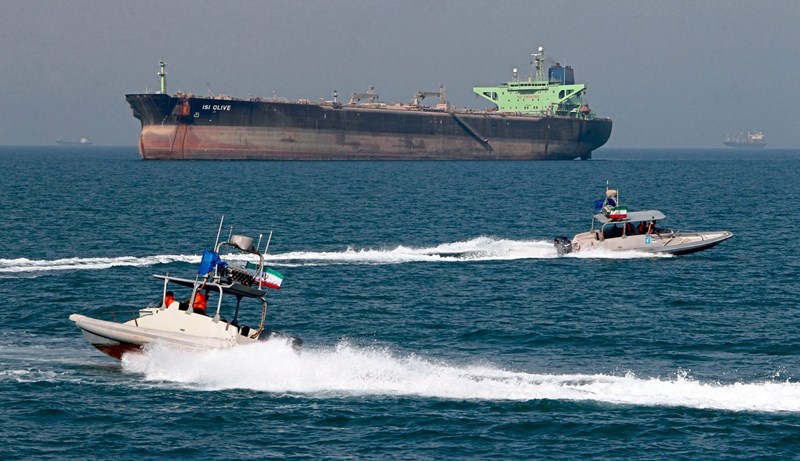
Persian Gulf Strait Authority Authority (PGSA) published the “non-compliant vessels” list over the weekend, accusing the ships of breaching its transit arrangements for the strategic waterway.
The blacklist includes a mix of VLCCs, product tankers, LNG and LPG carriers, containerships, and bulkers, with some of the industry’s biggest names caught in the crossfire. ADNOC Logistics & Services has the largest exposure, with eight directly managed vessels on the list, while Sinokor is linked to at least five ships and Saudi state owner Bahri to three.
The PGSA did not specify the exact breaches for each vessel, but Tehran has long demanded that ships obtain Iranian clearance and pay for navigation, security, insurance, and other services before crossing the strait. An Iranian parliamentary committee recently approved draft provisions allowing fees for these services, which the US has condemned as an “extortion scheme.” The US Treasury sanctioned the PGSA in May, and on Monday, the Office of Foreign Assets Control (OFAC) issued updated guidance warning that companies, both US and non-US, could face sanctions merely for accepting services or responding to information requests from the PGSA, even without making payments.
For owners, the dilemma is stark: comply with Iran’s demands and risk US sanctions, or ignore them and face potential detention or fines in Hormuz. The blacklist includes at least 14 vessels that have already been attacked in the region in recent months, including Nakilat’s Al Rekayyat, Bahri’s Wedyan, and ADNOC-operated Al Bahyah. The tanker Vadin appears twice on the list under the same IMO number, once under its former name, Lila Vadinar.
Analysts at SEB noted that the broader US offensive, which expanded potential secondary sanctions to shipping and four other sectors, was the real game-changer. The move targets nearly 60 Iran-linked entities, including five shadow-fleet ships accused of moving Iranian oil: Sifra, G Silver, Quantum Hope, Voyage Elite, and Tela. “This reinforces our China-to-Atlantic tonne-mile view, although designation is not enforcement,” SEB said. “Seeing is believing until flows change.”
What Happens Next for Ships Trapped in Hormuz’s Sanctions War
Owners seeking removal from the blacklist must apply to Iran’s maritime authorities and provide an explanation for their alleged breaches. However, the US has made it clear that even engaging with the PGSA could be enough to trigger sanctions. US President Donald Trump warned last week that countries providing Iran with any economic lifeline, including ship registries, oil-smuggling networks, or front companies, would face consequences.
“Vessels violating Iranian protocols for the #Strait_of_Hormuz shall face restrictions on future passages, including fines, detention, or confiscation.”
Persian Gulf Strait Authority·Port Authority
Meanwhile, the UN has proposed a confidence-building mechanism to keep essential cargoes moving through maritime chokepoints. The scheme, initially covering fertilisers and related raw materials, would use ship registration and verification, with a deconfliction mechanism based in Oman. UN Secretary-General António Guterres said the system could be deployed quickly but would require agreement from the countries involved.
Sign up free to ask CAMAL AI for a summary, the key points or anything else about this story.
Related stories
Financial Ports Newsletter
The maritime economy, every morning
Ports, shipping and freight markets in one short email. Free.