

Hormuz tanker attacks surge: 24 ships hit in two weeks
Four tankers struck and one threatened in a single day as Iran’s Revolutionary Guard escalates its campaign in the.
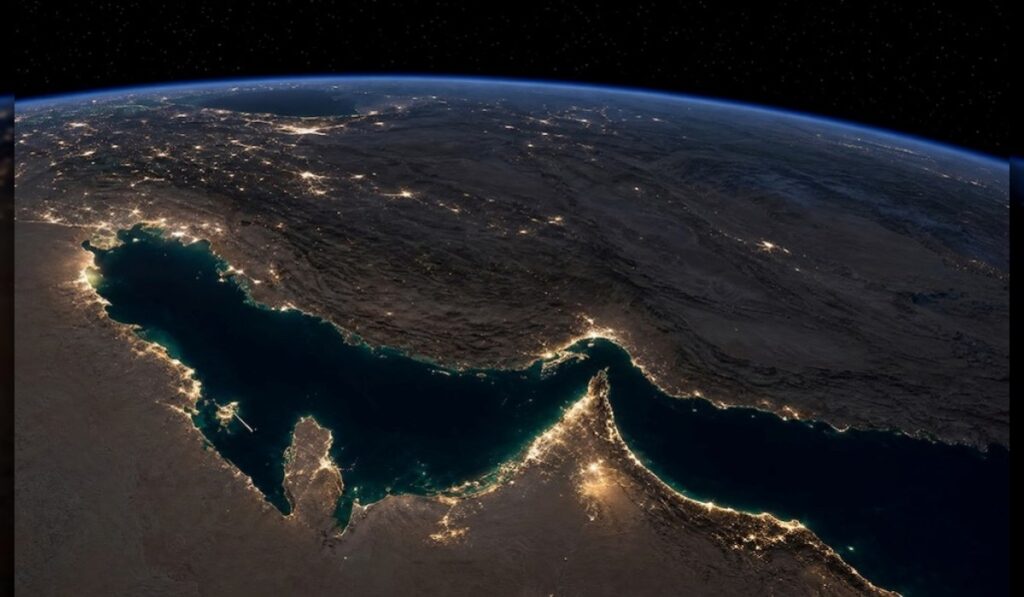
The Strait of Hormuz has become the most dangerous shipping lane in the world as attacks on commercial vessels reach their highest intensity since the US-Iran war began on February 28. According to UK Maritime Trade Operations (UKMTO), four tankers were struck and another directly threatened in incidents reported on Monday alone, marking a sharp escalation in hostilities.
The latest attack occurred at 1637 UTC yesterday, when an unknown projectile hit a tanker transiting the strait, igniting a fire in its engine room. The crew managed to control the blaze, with no immediate reports of casualties or environmental damage. However, this was only one of several incidents disclosed in a single day, including three delayed reports from the previous 48 hours.
Among the most concerning incidents was a drone that penetrated a tanker’s funnel, falling into the engine room and causing a small fire that temporarily disabled the vessel’s power. Other ships have been targeted around the stern and engine areas, with some losing propulsion and requiring tug assistance to continue their voyages. In one case, an inbound tanker 11 nautical miles north of Khasab was intercepted by Iran’s Islamic Revolutionary Guard Corps and ordered to turn back under threat of attack. The vessel complied.
The past two weeks have seen an unprecedented surge in violence, with 24 ships struck—including at least six on Sunday alone. While attacks have been concentrated along the Omani side of the strait, the frequency and precision of strikes suggest an evolving threat. Despite this, oil exports through Hormuz have nearly returned to pre-war levels on some days, creating a paradox where more barrels move through the strait even as more ships come under fire.
The economic fallout of a warzone waterway: strait of hormuz
The escalating risks have sent shipping costs soaring. Owners willing to operate in the Gulf are now commanding premiums of up to $40 million for round-trip voyages, while crews are being offered exceptional bonuses to navigate the danger zone. The financial strain extends beyond freight rates, with higher insurance and security costs further inflating expenses.
BRS Shipbrokers noted in its latest report that the limited pool of vessels prepared to trade in the region has become the primary driver of freight pricing. “A narrower pool of willing owners, combined with higher insurance and security costs, is supporting freight and risk premiums even as barrels continue to move,” the firm stated. While physical oil availability remains stable for now, any disruption to terminals or export volumes could shift the burden to crude and product prices.
The situation has created a fragile equilibrium where the cost of transporting oil—not just its supply—has become a critical constraint. With attacks showing no signs of abating, the economic toll on global shipping is likely to deepen.


Sign up free to ask CAMAL AI for a summary, the key points or anything else about this story.
Related stories
CAMAL AI
 Financial Ports Newsletter
The maritime economy, every morning
Ports, shipping and freight markets in one short email. Free.
Financial Ports Newsletter
The maritime economy, every morning
Ports, shipping and freight markets in one short email. Free.



