

Russian Strike Kills Crewman on Liberian-Flagged Ship in Odesa Port
One sailor dead and three injured as Moscow renews attacks on Black Sea commercial vessels.
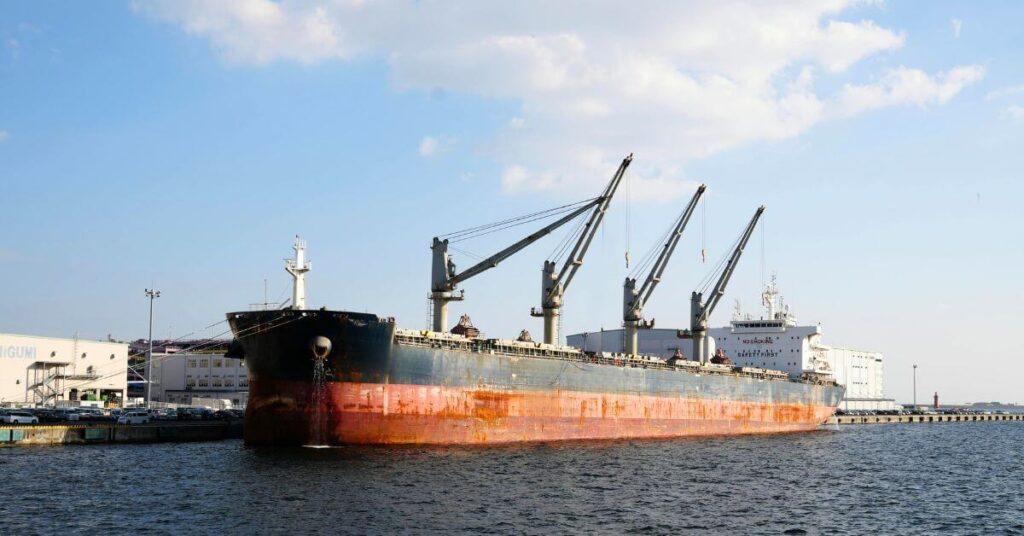
The Ukrainian Sea Ports Authority (USPA) confirmed the attack on October 3, which also forced the evacuation of 13 additional crew members.
Emergency crews and port security personnel secured the ship and assessed the damage, but the incident underscores the growing risks to civilian maritime traffic in the region. The attack follows a pattern of strikes targeting foreign-flagged vessels, which Russia claims are transporting weapons and supplies for Ukraine’s military, allegations Kyiv and international maritime bodies vehemently deny.
Why Russia’s Blockade Is Crippling Ukraine’s Economy: Russian
The renewed blockade, in effect since this summer, has severely disrupted Ukraine’s grain and steel exports, two of the country’s most vital economic lifelines.
The economic impact has been devastating. The country’s Ministry of Reconstruction, Infrastructure and Transport has described the attacks as part of an “institutionalised Russian campaign against civilian maritime logistics,” a charge Moscow dismisses as propaganda.
Kremlin spokesman Dmitry Peskov has defended the strikes, arguing that commercial vessels in the Black Sea are being used to transport “weapons, ammunition, and fuel” for Ukrainian forces. “Russian forces will continue to destroy such shipping,” he stated, framing the attacks as retaliation for Ukrainian long-range strikes on Russian economic and refining assets. However, Ukraine and its allies reject these claims, pointing to the repeated targeting of vessels carrying agricultural products and bulk cargo.
The Human Cost of Russia’s Maritime Campaign
The October 3 strike is not an isolated incident. Two of the injured sailors were later hospitalised in Chornomorsk. Azerbaijan’s Ministry of Foreign Affairs confirmed the deaths and issued a warning to its citizens against travelling through active conflict zones.
In June, another Russian strike killed five Azerbaijani sailors, while at least five Indian seafarers have died in similar attacks in recent months. The deaths prompted New Delhi to issue diplomatic demarches to both Moscow and Kyiv, highlighting the growing international concern over the safety of civilian maritime traffic in the Black Sea. The attacks have also extended beyond Ukrainian waters.
“They want to continue.” Zelenskyy has also proposed a maritime ceasefire, urging Russia to “support it as well,” but so far, these appeals have fallen on deaf ears. Meanwhile, U.S. President Donald Trump has suggested a potential “energy ceasefire,” though details remain vague.
The latest strike comes amid heightened tensions following a Russian attack on residential buildings in Ukraine on October 11, which killed 20 people. The incident has further strained diplomatic efforts to de-escalate the conflict, with Zelenskyy warning that Moscow’s actions demonstrate its unwillingness to negotiate in good faith. “Don’t attack us. Don’t kill our children. We will stop attacking your diesel,” he said, referencing Ukraine’s recent strikes on Russian energy infrastructure.
For the global shipping industry, the risks are becoming untenable. The Black Sea, once a critical corridor for trade between Europe and Asia, is now one of the most dangerous maritime regions in the world. Insurers have hiked premiums for vessels operating in the area, while some shipping companies have suspended operations altogether. The collapse of the UN-brokered Black Sea Grain Initiative in 2023 has only exacerbated the crisis, leaving Ukraine’s agricultural exports in limbo and threatening food security in vulnerable markets.
The Ukrainian Sea Ports Authority continues to monitor the situation closely, but with Russia showing no signs of easing its blockade, the outlook for civilian shipping remains grim. For now, the world watches as the conflict at sea threatens to spiral further out of control.


Sign up free to ask CAMAL AI for a summary, the key points or anything else about this story.
Related stories
CAMAL AI
 Financial Ports Newsletter
The maritime economy, every morning
Ports, shipping and freight markets in one short email. Free.
Financial Ports Newsletter
The maritime economy, every morning
Ports, shipping and freight markets in one short email. Free.



