

Roll Damping Tanks: The $2.2bn Question for Mega-Ships
ONE and ClassNK launch first real-world study to cut roll risks on 24,000-TEU vessels
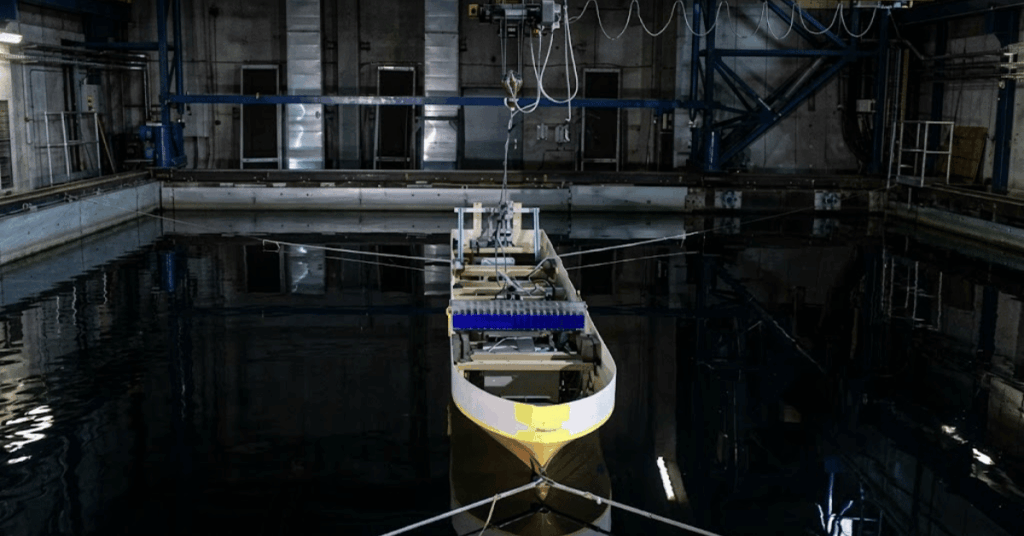
Until now, the roll reduction performance of RDTs on large container ships has been evaluated primarily through model tests and numerical simulations. By analysing onboard measurement data from ONE’s fleet, the study will bridge this gap, offering the first empirical evidence of RDT effectiveness in full-scale operations.
The implications for the industry are significant. For ONE, which operates more than 280 vessels, the potential gains in transit reliability and cargo safety are substantial. The company’s Vice President of Global Vessel Operations, Masaharu Urabe, emphasised the broader impact: “We believe that the knowledge gained through this research will further enhance the safety of our vessel operations while contributing to improved container stowage efficiency and loading capability.".
How Roll Damping Tanks Work, and Why They Matter
Roll damping tanks are not a new technology, but their application to container ships is a relatively recent development. The tanks, typically installed on either side of a vessel’s hull, contain a liquid, usually water, that moves in opposition to the ship’s rolling motion. As the ship rolls to one side, the liquid flows to the opposite side of the tank, creating a counteracting force that dampens the roll. The system is passive, requiring no external power, and can be tuned to specific wave frequencies to maximise effectiveness.
For container ships, the stakes are higher than for other vessel types. Unlike passenger ships, where comfort is the primary concern, container ships must balance stability with stowage efficiency. Excessive rolling not only increases the risk of cargo damage but also limits operational flexibility. Ships may be forced to reduce speed or alter course to avoid heavy weather, leading to delays and increased fuel consumption. By mitigating roll, RDTs could allow ships to maintain speed and course in adverse conditions, improving transit reliability and reducing operational costs.
The study will focus on several key metrics, including roll amplitude, cargo securing forces, and fuel efficiency. ClassNK, which has extensive experience in numerical simulation and technical analysis, will process the data collected from ONE’s vessels. Kumi Miyashita, Corporate Officer at ClassNK, highlighted the collaborative approach: “Through the combination of full-scale measurement data and numerical analysis, we aim to contribute to safer and more efficient vessel operations by establishing a reliable basis for evaluating RDT performance under actual operating and sea conditions.”
The research comes at a time when the maritime industry is under increasing pressure to improve safety and efficiency. Container losses remain a persistent issue, with an average of container losses (sin cifra específica) over the past decade, according to the World Shipping Council. While not all losses are due to rolling, the phenomenon is a contributing factor in many incidents. By providing empirical data on RDT performance, the study could pave the way for wider adoption of the technology, reducing the frequency of such losses and enhancing the resilience of global supply chains.
For ONE, the benefits extend beyond safety. The company’s fleet, which includes some of the largest container ships in the world, operates on routes that span the globe, from the storm-prone North Pacific to the congested waters of the Suez Canal. Improved roll stability could allow these vessels to optimise their stowage plans, carrying more cargo without compromising safety. It could also reduce the need for speed reductions in heavy weather, cutting fuel consumption and emissions, a critical consideration as the industry faces stricter environmental regulations.
The study’s findings are expected to be published within the next 12 to 18 months, with preliminary results anticipated by early 2025. If successful, the research could set a new standard for roll reduction technology in container shipping, influencing future vessel designs and operational practices. For an industry that moves 90% of the world’s goods, the potential impact is immense.
As the maritime sector continues to evolve, initiatives like this underscore the importance of data-driven innovation. By leveraging real-world vessel data, ONE and ClassNK are not only addressing a critical safety challenge but also demonstrating how collaboration between industry leaders can drive progress. The results of this study could mark the beginning of a new era in container ship stability, one where rolling motions are no longer a limiting factor, but a manageable variable in the pursuit of safer, more efficient operations.


Sign up free to ask CAMAL AI for a summary, the key points or anything else about this story.
Related stories
CAMAL AI
 Financial Ports Newsletter
The maritime economy, every morning
Ports, shipping and freight markets in one short email. Free.
Financial Ports Newsletter
The maritime economy, every morning
Ports, shipping and freight markets in one short email. Free.



