

US Rail Traffic Soars 10.4% as Trucking Costs Drive Shift to Trains
US intermodal rail volumes jumped 10.4% year-over-year in week 40.
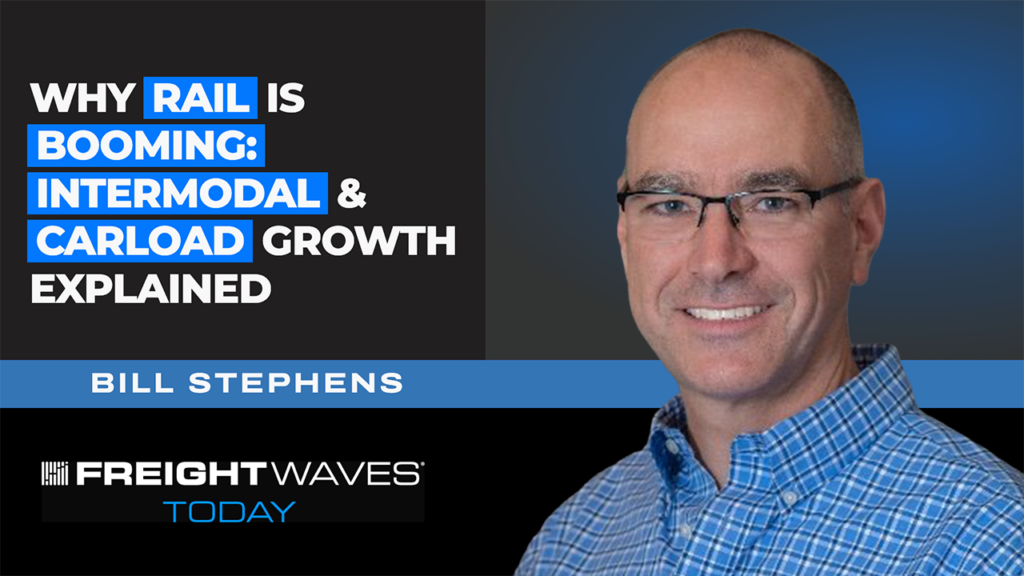
U.S. rail traffic is experiencing significant growth, with both intermodal and carload volumes reaching new highs. According to data from the Association of American Railroads (AAR), intermodal traffic surged by 10.4% year-over-year in week 40, while domestic carload volume increased by 3.4%. This resulted in an overall rail traffic rise of 7.2% compared to the same period in 2025.
North American figures reflect a similar trend, with carload volume up 2.6% and intermodal traffic increasing by 9.1%, leading to a combined gain of 5.9%. The growth spans nearly all industrial sectors, signaling a robust and sustained industrial expansion rather than a temporary spike.
Key Drivers Behind the Rail Boom: Rail Traffic
The shift toward rail transportation is fueled by a combination of factors. Rising diesel prices have made trucking more expensive, pushing shippers to explore cost-effective alternatives. Additionally, tight trucking capacity has further incentivized the use of rail. Despite the surge in volume, rail service has largely maintained its reliability, reinforcing confidence in the sector.
Rail reporter Bill Stephens noted that these conditions create a favorable environment for intermodal growth. “It’s nothing but tailwinds for intermodal due to the cost savings, partly related to the surge in diesel prices, tight trucking capacity, and the fact that rail service is holding up despite the volume increase,” he said.
Western railroads are leading the intermodal surge, with BNSF reporting a 12.5% increase in week 40 and Union Pacific achieving a 19.4% rise. This growth is largely attributed to record container volumes moving through the ports of Los Angeles and Long Beach. Eastern carriers are also seeing gains, with CSX up 8.9% and Norfolk Southern increasing by 5.4%.
Broader Economic Implications
The AAR’s September Rail Industry Overview revealed that 17 of 20 carload categories posted year-over-year gains, underscoring the breadth of the industrial expansion. Chemicals traffic, the second-largest carload commodity, set a September record and is on track for an annual high. Metallic ores and metals continued their double-digit growth, while motor vehicles and parts rebounded sharply with a 9.4% increase in week 40.
However, the AAR has identified a potential risk: prolonged high diesel prices could eventually soften consumer spending. For now, though, consumer goods spending remains resilient, rising 2.7% in August. The AAR described the current industrial expansion as “increasingly durable”, with no immediate signs of slowing.
On the regulatory front, the Surface Transportation Board (STB) is preparing for a review of the proposed Union Pacific–Norfolk Southern merger. STB board member Richard Kloster has called for stronger data and more compelling arguments from the railroads, a stance that rail reporter Bill Stephens suggested reflects broader board concerns rather than a political move. Further details are expected during the railroads’ upcoming earnings calls.


Sign up free to ask CAMAL AI for a summary, the key points or anything else about this story.
Related stories
CAMAL AI
 Financial Ports Newsletter
The maritime economy, every morning
Ports, shipping and freight markets in one short email. Free.



