

EU Grain Ban Showdown: Baltic States Demand Russian Cargo Blacklist
Estonia, Latvia and Lithuania push Brussels to halt 1.16m tonnes of Russian grain transiting EU ports monthly
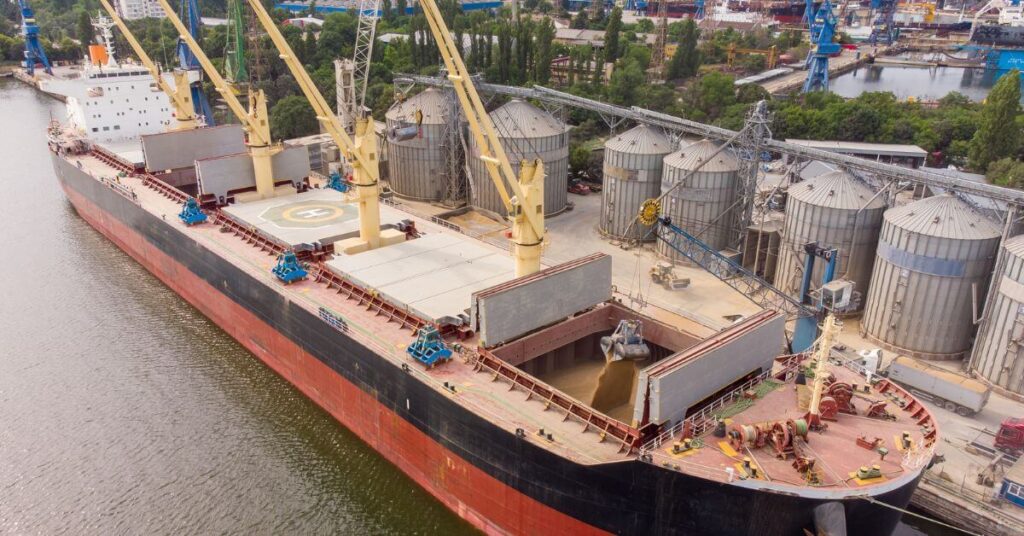
The governments of Estonia, Latvia, and Lithuania have formally requested that the European Union prohibit the transit of Russian grain through the bloc’s ports and transport networks. The joint appeal, addressed to European Council President António Costa and European Commission President Ursula von der Leyen, comes as Russia redirects its grain exports away from the Black Sea following a steep decline in shipments from that region.
According to data from shipping broker IFCHOR Galbraiths, Russian grain shipments from the Black Sea and Azov Sea ports dropped from 1.39 million tonnes in August to just 201,000 tonnes in September. Meanwhile, exports through Baltic ports surged, with Ust-Luga handling 545,000 tonnes and Vysotsk processing 374,000 tonnes in the same month. This shift increased the Baltic region’s share of Russia’s total grain shipments from 12.6% to 80.7% in just one month.
Baltic States Push for EU-Wide Ban on Russian Grain Transit
The Baltic states argue that Russia is exploiting EU infrastructure to bypass the impact of Ukrainian attacks on its Black Sea ports while simultaneously targeting Ukraine’s own grain export facilities. To counter this, they are urging the EU to adopt a unified ban rather than relying on individual national measures.
Estonia has already implemented a ban on the transit of Russian and Belarusian grain through its ports, covering products under the CN 10 commodity group. Latvia, meanwhile, has intensified checks on the origins of grain cargo at its ports, particularly after increased interest in routing Russian shipments through the country. Lithuania has also proposed sanctions targeting Russian agricultural oligarchs who support the war in Ukraine.
Despite these unilateral actions, the EU has not yet approved a bloc-wide ban. Russian grain can still be exported directly from its own ports. The issue is expected to be raised at next week’s European Council meeting by Estonian Prime Minister Kristen Michal, who has framed the transit ban as a way to cut off revenue funding Russia’s military actions in Ukraine.
National Measures and EU Divide
While the Baltic states advocate for stricter measures, some EU members remain cautious. Countries like Bulgaria and Romania, whose ports have become vital for Ukrainian grain exports, are concerned about the potential disruption to regional trade. The outcome of the upcoming meeting could determine whether Russian grain continues to flow through EU infrastructure or faces a continent-wide restriction.
Russia’s total grain exports across all monitored ports—including the Black Sea, Azov, Baltic, and Far East—fell by 16% in September compared to August. Shipping brokers note that alternative routes struggle with higher costs and logistical challenges, making it difficult to fully replace the lost capacity of the Black Sea ports. Murmansk is preparing to receive its first grain shipments in October, though doubts persist about the port’s infrastructure and the economic viability of the route.


Sign up free to ask CAMAL AI for a summary, the key points or anything else about this story.
Related stories
CAMAL AI
 Financial Ports Newsletter
The maritime economy, every morning
Ports, shipping and freight markets in one short email. Free.



