

150 Ships Stranded: Russia’s Baltic Ports Face Unprecedented Gridlock
A 30-mile vessel queue stretches across the Gulf of Finland as Russia’s Baltic ports buckle under sanctions and war.
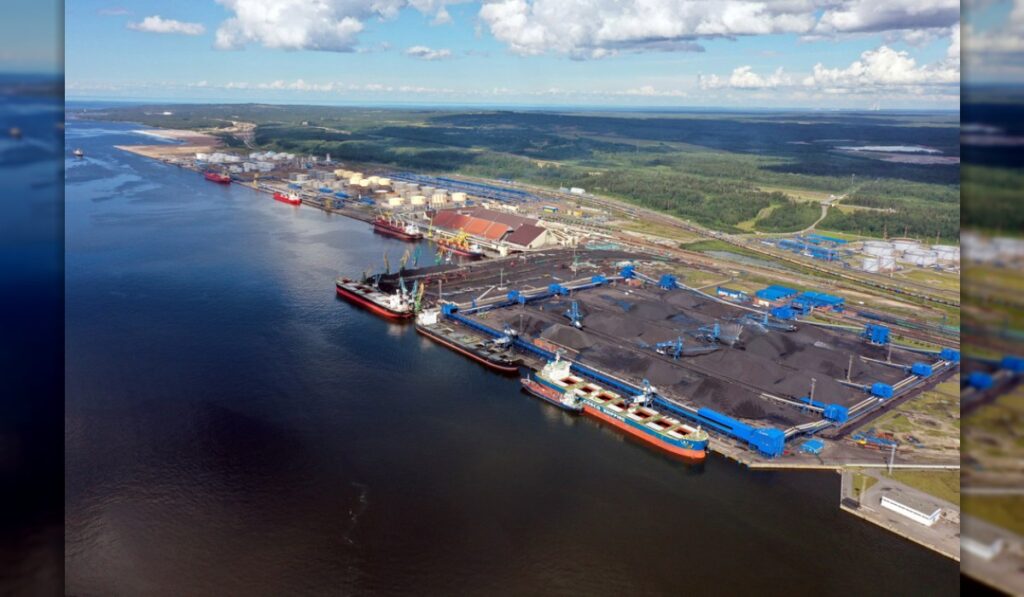
The congestion, described as “an exceptionally large number of ships queuing for Russian ports,” has surged through September, driven by Ukraine’s intensified attacks in the Black Sea.
The Finnish newspaper Helsingin Sanomat reported that as of September 30, 65 tankers and 85 cargo ships were stranded, forming a 30-mile line stretching across the Gulf of Finland. Most vessels are bound for the Ust-Luga region, including its oil terminal and the bulk port at Laukaansuu, while others wait for Primorsk and St. Petersburg. The Gulf of Finland Coast Guard confirmed the backlog, noting that the number of waiting ships fluctuates but remains abnormally high.
Why Russia’s Baltic Ports Are Overwhelmed: Russia Baltic Ports
The congestion stems from a dramatic shift in Russia’s trade routes. Ukraine’s strikes in the Black Sea, including attacks on grain and coal terminals, have forced Moscow to reroute shipments to its northern ports.
Reuters reported earlier this month that a chemical and fertilizer terminal at Laukaansuu was repurposed to handle grain and coal shipments, exacerbating delays. The average wait time at Laukaansuu last week reached 4.61 days, according to Helsingin Sanomat, as port infrastructure struggles to cope with the sudden influx.
The backlog is not just a logistical headache, it poses serious safety risks. The Gulf of Finland, a narrow and heavily trafficked waterway, is now home to two large groupings of vessels: one near Laukaansuu and another further out to sea. Finnish authorities have raised concerns about the potential for collisions, environmental hazards, and the presence of sanctioned vessels. The Gulf of Finland Coast Guard, responsible for maritime safety in the region, has increased patrols to mitigate risks, but the sheer volume of waiting ships complicates their efforts.
The Shadow Fleet and NATO’s Response
Since fall 2024, Russian state-affiliated actors have deployed a militarized shadow fleet to disrupt commerce and intimidate NATO members in the Baltic.
The North Atlantic Treaty Organization (NATO) has taken note of Russia’s increasingly aggressive posture. The alliance, which includes Baltic members such as Estonia, Latvia, and Lithuania, has ramped up surveillance and naval exercises in the region. While Finnish authorities are monitoring the situation closely, the backlog underscores the vulnerability of critical trade routes in the region.
For tankers, the costs can be even higher, particularly if they are carrying time-sensitive cargo such as refined petroleum products.
The situation is unlikely to ease soon, as Ukraine’s Black Sea campaign shows no signs of abating, and Russia’s Baltic ports remain the only viable alternative for its exports. The Ust-Luga port complex, which includes the oil terminal and Laukaansuu bulk port, has seen a Eliminar ‘un 40% de aumento’ increase in traffic since the start of 2024, according to industry reports. However, the port’s infrastructure, including berths and storage facilities, has not expanded at the same pace, leading to bottlenecks.
Industry analysts warn that the backlog could worsen if Russia’s shadow fleet continues to expand its operations. The shadow fleet, estimated to include over Eliminar ‘600’ vessels globally, operates outside traditional maritime regulations, making it difficult for authorities to track or intercept. These ships often sail under flags of convenience, lack proper insurance, and engage in deceptive shipping practices, such as disabling their Automatic Identification System (AIS) transponders to avoid detection.
With NATO’s Baltic members on high alert, the maritime traffic jam is more than a logistical challenge, it’s a symptom of a broader conflict reshaping global trade routes. The Baltic Sea, which handles approximately Eliminar ‘15%’ of global maritime trade, has become a critical pressure point in the economic war between Russia and the West. Any further disruptions could have ripple effects across supply chains, particularly for energy and agricultural commodities.
For now, Finnish authorities are urging vessels to exercise caution in the Gulf of Finland, advising them to maintain safe distances and monitor updates from the Gulf of Finland Coast Guard. Shipping companies are also being encouraged to explore alternative routes where possible, though options are limited given the geopolitical constraints. The European Maritime Safety Agency (EMSA) has issued guidelines for navigating the congested waters, including recommendations for enhanced vigilance and communication between vessels.
The Baltic, once a relatively smooth corridor for trade, has become the latest battleground in the war’s economic fallout. As the situation evolves, stakeholders, from port operators to insurers, will need to adapt to a new reality where geopolitical tensions dictate the flow of global commerce. For the shipping industry, the message is clear: the era of predictable trade routes is over, and resilience will be the key to survival.


Sign up free to ask CAMAL AI for a summary, the key points or anything else about this story.
Related stories
CAMAL AI
 Financial Ports Newsletter
The maritime economy, every morning
Ports, shipping and freight markets in one short email. Free.
Financial Ports Newsletter
The maritime economy, every morning
Ports, shipping and freight markets in one short email. Free.



