

Gulf Braces for Category 3 Hurricane Isaias: 18.2m bpd at Risk
Hurricane Isaias could disrupt 50% of US refining capacity as it strengthens to Category 3 before Friday landfall.
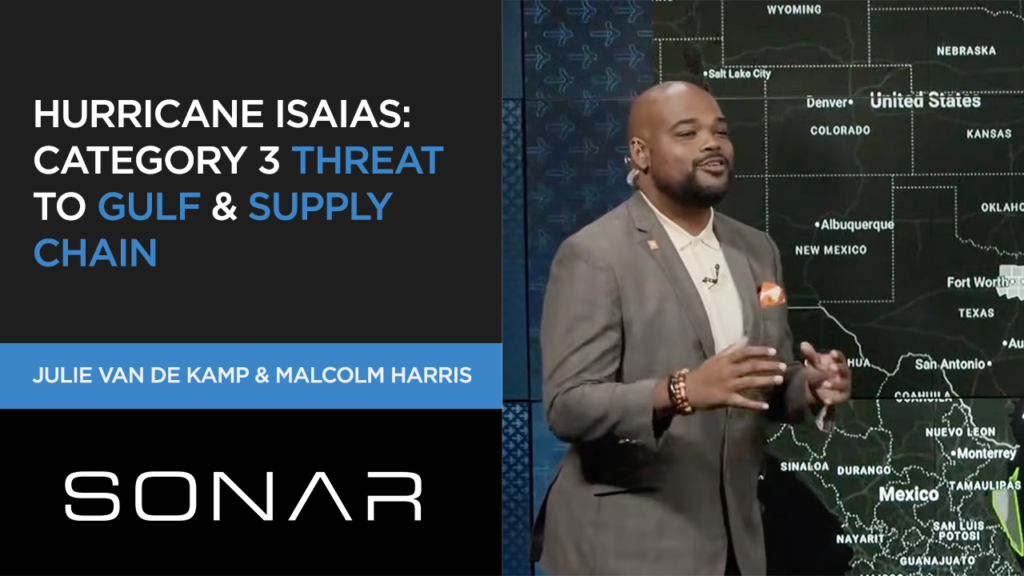
The storm, currently a Category 1, is forecast to strengthen to potentially reach Category 3 with winds of up to 100 miles per hour (100 miles per hour), putting critical energy infrastructure and freight networks in its crosshairs.
Isaias is expected to hit the coast around 2 p.m. on Friday, with its projected path stretching from just east of Houston to the Florida Panhandle. The region is home to six refineries, which collectively process 18.2 million barrels per day, or 50% of the nation’s total refining capacity. Offshore production operators have already begun evacuating nonessential workers, though output remains uninterrupted for now.
Refining Capacity at Stake: Why This Storm Could Send Diesel Prices Soaring: Gulf
The Gulf States’ refining infrastructure is a cornerstone of the US energy sector, and Isaias poses a direct threat to its stability. Julie Van de Kamp, an analyst tracking the storm’s impact, warned that while the storm may not be strong enough to cause catastrophic damage, its timing is particularly concerning.
“Gulf State refineries account for 50% of the national refining capacity of 18.2 million barrels per day,” she said. “I don’t think this storm is going to be strong enough to do a lot of damage, but it is something for us to keep watching as we’re already in this current environment where diesel prices are incredibly elevated.”
Diesel prices have been climbing steadily, and any prolonged outage could tighten supply further. The storm’s rainfall, forecast to reach 3-6 inches across the region, with localized totals of up to 10 inches, could also trigger flooding, complicating recovery efforts. Malcolm Harris, a meteorologist monitoring the storm, advised residents in Gulf Shores, Alabama, and the Baton Rouge area to prepare for torrential rain, wind, and storm surge. “I do not play about the weather,” he said, underscoring the seriousness of the situation.
Freight Markets React: Tender Rejections Spike as Shippers Scramble
Truckload volumes in New Orleans and Mobile are also rising as shippers rush to move freight ahead of the storm’s arrival. Van de Kamp expects a “Southeast pop” in spot rates and tender rejections, depending on the extent of flooding and how quickly carriers can access affected areas once the storm passes.
Port operations are another critical concern. The Port of Mobile and Port of New Orleans both lie within the storm’s projected impact zone, raising the possibility of vessel delays and slowdowns in cargo unloading. The Port of Houston, however, is expected to remain largely unaffected. FEMA has already identified staging locations in Jacksonville and Atlanta, which could generate emergency freight demand in the days following landfall.
The storm’s trajectory and intensity will determine the full extent of its impact, but one thing is clear: the Gulf Coast’s energy and freight networks are facing a significant test.


Sign up free to ask CAMAL AI for a summary, the key points or anything else about this story.
Related stories
CAMAL AI
 Financial Ports Newsletter
The maritime economy, every morning
Ports, shipping and freight markets in one short email. Free.
Financial Ports Newsletter
The maritime economy, every morning
Ports, shipping and freight markets in one short email. Free.



