

Port Congestion Hits 4.3m TEU: Worse Than Covid-Era Chaos
Global port congestion removes 4.3 million TEU from circulation, surpassing the pandemic peak.
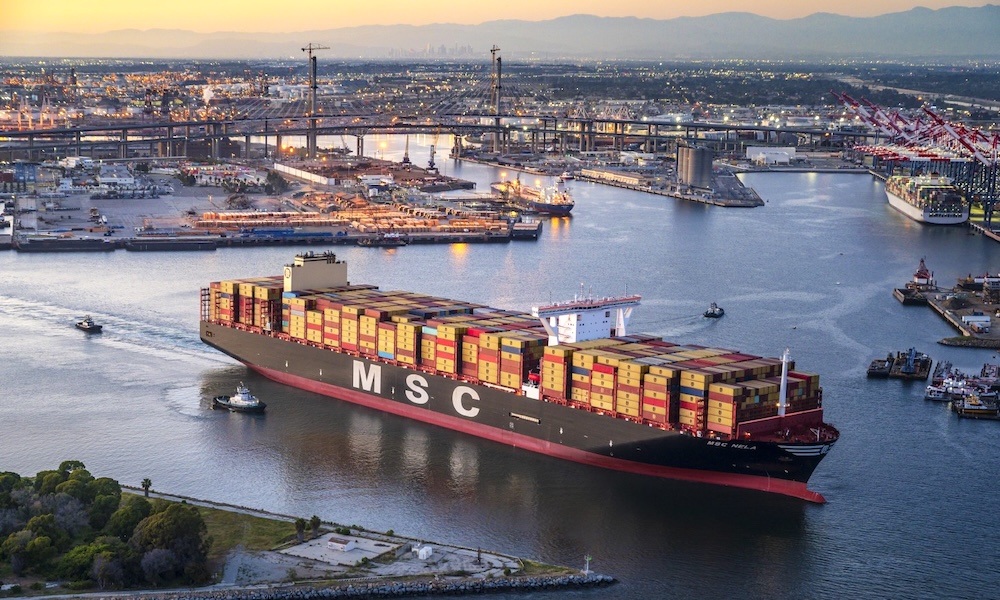
Global container port congestion has reached unprecedented levels, surpassing even the peaks seen during the Covid-19 pandemic. According to data from Linerlytica, over 4.3 million TEU of container capacity is currently stuck waiting to berth at ports worldwide. This figure exceeds the previous record of 4 million TEU set earlier in the decade, marking the highest absolute volume of delayed containers in history.
While the current congestion represents 12.6% of the 34.4 million TEU global fleet, it remains below the 15.7% peak recorded in 2022 when the fleet was significantly smaller. The situation has driven freight and charter rates to elevated levels, with no immediate relief in sight.
East Asia Bears the Brunt of Delays: port congestion
The latest surge in congestion is largely driven by severe weather disruptions in East Asia. Successive tropical storms have crippled operations at major Chinese ports, including Shanghai and Ningbo. Portcast data reveals 139 vessels are currently waiting at Shanghai, while another 77 are stuck at Ningbo—both figures represent highs not seen in recent years.
At Shanghai’s Yangshan terminals, waiting times have stretched to five or six days for Gemini services and up to seven or eight days for other carriers. Industry analysts note that schedule reliability has plummeted to around 60-65%, with ships arriving an average of five to five-and-a-half days late. Before the pandemic, delays averaged just three to four days.
Freight Rates Surge as Panama Canal Restrictions Loom
The capacity squeeze has sent freight rates soaring. The Shanghai Containerized Freight Index (SCFI) has jumped 156% since the onset of the Iran conflict, reaching approximately 3,355 points last week. Other benchmarks reflect similar pressure: S&P Global’s Platts Container Index hit $7,565 per FEU on August 21, its highest level this year.
The crisis is not limited to Asia. The Panama Canal, a vital trade route, will impose further restrictions in September due to below-normal rainfall. Starting September 3, daily transit slots for Neopanamax vessels will drop to nine, with additional cuts to Panamax availability from September 15. These measures will tighten an already strained market, exacerbating the shortage of available tonnage and keeping charter rates high.


Sign up free to ask CAMAL AI for a summary, the key points or anything else about this story.
Related stories
CAMAL AI
 Financial Ports Newsletter
The maritime economy, every morning
Ports, shipping and freight markets in one short email. Free.
Financial Ports Newsletter
The maritime economy, every morning
Ports, shipping and freight markets in one short email. Free.



