

Panama Strips Three Sanctioned Tankers as U.S. Tightens Iran Oil Squeeze
Panama Maritime Authority moves to expel three tankers flagged for transporting Iranian oil.
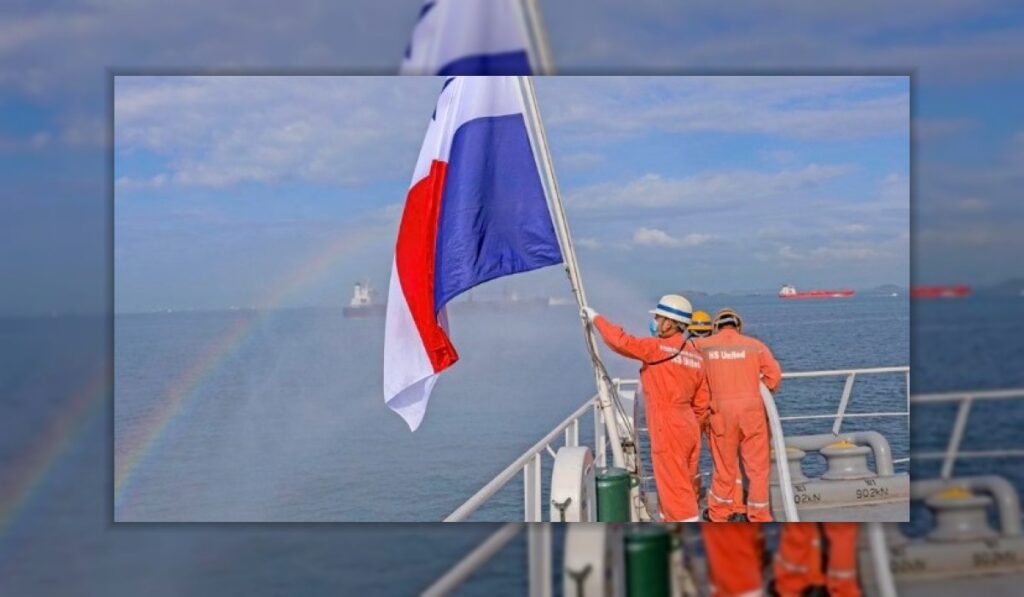
Panama’s Maritime Authority (AMP) is swiftly moving to remove three tankers from its registry after the vessels were sanctioned by the United States as part of efforts to disrupt Iran’s oil trade. The action follows the U.S. Treasury’s October 8 announcement of Operation Economic Outcast, which targeted 17 tankers, including the three Panama-flagged ships, to tighten restrictions on Iran’s shadow fleet.
The AMP, which manages the world’s largest ship registry with around 7,700 vessels totaling over 196 million gross tons, has faced past criticism for delays in addressing sanctions violations. However, a 2024 Executive Decree has accelerated the removal process, allowing Panama to expel 107 sanctioned vessels in the first six months after its implementation. Officials state the decree simplified procedures, reducing the time required to revoke a ship’s registration.
Streamlined removal process: Panama
The three tankers under scrutiny have been linked to substantial Iranian oil shipments. The Starway, a 46,000-deadweight-ton (dwt) product tanker, is accused of transporting over 3 million barrels of Iranian naphtha since 2025. Managed by a Chinese company and owned by a Marshall Islands-registered entity, the vessel reflagged to Barbados in September after two years under Panama’s registry.
The Mackrele, a 24,000 dwt product tanker built in 2003, has been Panama-flagged for three years. Operated from India and owned by another Marshall Islands-based corporation, it allegedly carried over 500,000 barrels of Iranian high-sulfur fuel oil since December 2025. The smallest of the three, the Bitu (6,600 dwt), an asphalt tanker built in 2010, is accused of transporting 170,000 barrels of Iranian bitumen in 2026. Managed from the UAE, it has been under Panama’s flag since 2024.
Challenges in enforcement
The AMP’s actions come as part of a broader international crackdown on Iran’s oil exports, which have persisted despite sanctions. However, the authority acknowledges the difficulty of monitoring such a large fleet, particularly as vessels frequently change flags or operate under false identities to evade detection. This practice, known as “flag hopping,” remains a persistent issue across the maritime industry.
Recent UK sanctions included six tankers initially reported as Panama-flagged, but the AMP clarified that all had already been removed from its registry. While some databases still list outdated information, two of the vessels now fly flags from Barbados and Cameroon, while others appear to operate under false registrations or unknown flags. The UK has sanctioned over 600 vessels, and the EU has surpassed 670, reflecting the scale of global efforts to curb illicit oil shipments.


Sign up free to ask CAMAL AI for a summary, the key points or anything else about this story.
Related stories
CAMAL AI
 Financial Ports Newsletter
The maritime economy, every morning
Ports, shipping and freight markets in one short email. Free.



