

North Korea’s Sub-Launched Missiles: A New Threat in the East Sea
Pyongyang tests two types of submarine-launched strategic cruise missiles, sparking regional security concerns.
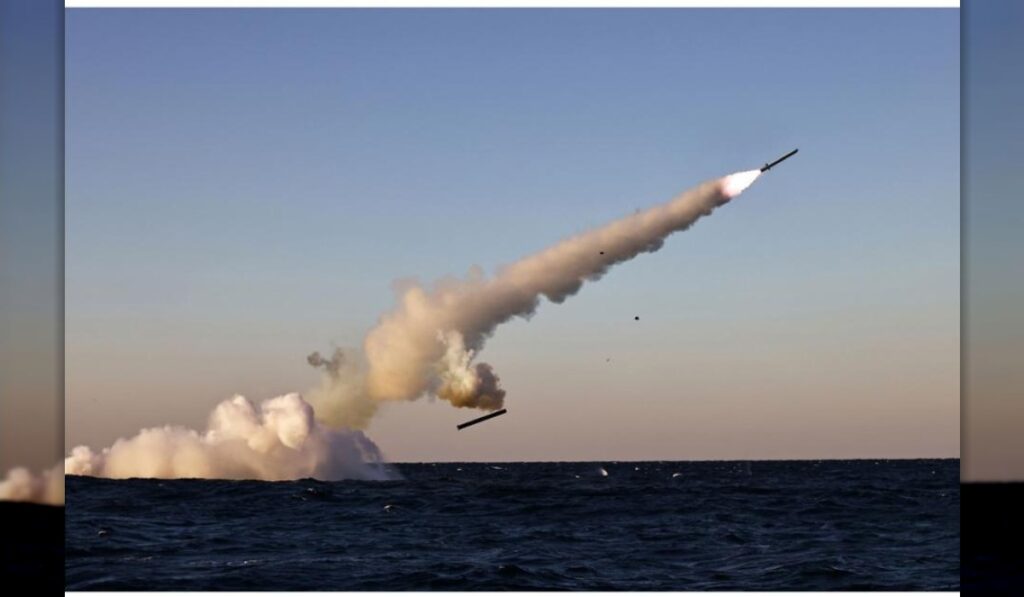
North Korea has tested two types of submarine-launched cruise missiles, described as “strategic” by its state media, in a move that analysts say could signal an advancement in its nuclear strike capabilities.
The Korean Central News Agency (KCNA) reported that the tests aimed to “examine the current mobilised posture of the underwater combat systems” and enhance the navy’s ability to perform “strategic missions.” The use of the term “strategic” has raised concerns among defence experts, who interpret it as a potential indicator of nuclear capability. Official photos released by KCNA depicted the missiles in horizontal flight, though it remains unclear whether North Korea possesses an operational submarine capable of launching such weapons.
How the Missiles Were Launched and Why It Matters: North Korea
South Korea’s military confirmed that the missiles were fired from different launch systems, one from a vertical launch tube and the other from a torpedo tube. The tests were overseen by senior officials Kim Jong Sik and Jang Chang Ha, along with naval underwater weapons engineers, underscoring the strategic importance Pyongyang places on these developments.
North Korea has previously tested submarine-launched cruise missiles, including the Pulhwasal-3-31, last seen in January 2024.
The timing of the tests is also notable. They follow South Korea’s first test of a domestically developed hypersonic glide vehicle on October 8, 2024, and a series of ballistic missile launches by North Korea earlier in the week.
The Broader Strategic Implications for East Asia
The tests also highlight Pyongyang’s deepening military cooperation with Russia. North Korea is believed to be receiving technical assistance from Moscow in exchange for supplying munitions and manpower for Russia’s war in Ukraine. U.S. Pacific Command confirmed North Korea’s ballistic missile tests earlier in the week but has not yet commented on the latest cruise missile launches, leaving regional allies to assess the threat independently.
Both countries rely on advanced missile defence systems, such as the U.S.-made THAAD and Aegis systems, to counter Pyongyang’s ballistic missile threats. However, cruise missiles, which fly at lower altitudes and can evade radar detection more easily, present a different set of challenges. The ability to launch such missiles from submarines further complicates defence planning, as it introduces an element of unpredictability into North Korea’s strike capabilities.
South Korea’s Joint Chiefs of Staff spokesman, Jang Do-young, stated that the military had continuously tracked and monitored the missile launches but chose not to disclose them immediately. This selective transparency reflects Seoul’s cautious approach to managing escalation while maintaining vigilance over Pyongyang’s activities.
The tests also come amid heightened tensions following mine explosions in the Demilitarized Zone (DMZ) on (date not specified in source), which wounded three South Korean military personnel. The U.S.-led United Nations Command later confirmed that an active North Korean anti-personnel mine had been found south of the Military Demarcation Line, further straining relations between the two Koreas.
North Korea’s defence spending, which accounts for an estimated 25% of its GDP, is the highest proportion of any nation outside active conflict zones. This massive investment has allowed Pyongyang to rapidly expand its military capabilities, including the construction of an a submarine (operational status unknown). While it is unclear whether this submarine is operational, its development signals North Korea’s long-term commitment to enhancing its naval forces and nuclear deterrent.
For the international community, the latest missile tests underscore the urgent need for diplomatic engagement to curb North Korea’s nuclear ambitions. However, with Pyongyang’s continued defiance of United Nations resolutions and its growing military ties with Russia, the prospects for a negotiated solution appear increasingly remote. In the meantime, regional powers are likely to respond by bolstering their own defence capabilities, setting the stage for a prolonged arms race in East Asia.
As the situation evolves, analysts will be closely watching for further developments, including whether North Korea conducts additional tests or reveals more details about its submarine-launched missile programme. For now, the message from Pyongyang is clear: its pursuit of a credible nuclear deterrent remains unyielding, and its neighbours must prepare for a new era of strategic uncertainty.


Sign up free to ask CAMAL AI for a summary, the key points or anything else about this story.
Related stories
CAMAL AI
 Financial Ports Newsletter
The maritime economy, every morning
Ports, shipping and freight markets in one short email. Free.



