

Methanol Engine Breakthrough: 95% Clean Fuel Efficiency Achieved
Everllence’s 12-cylinder 175DF-M engine hits 95% methanol share in full-scale tests, cutting maritime emissions
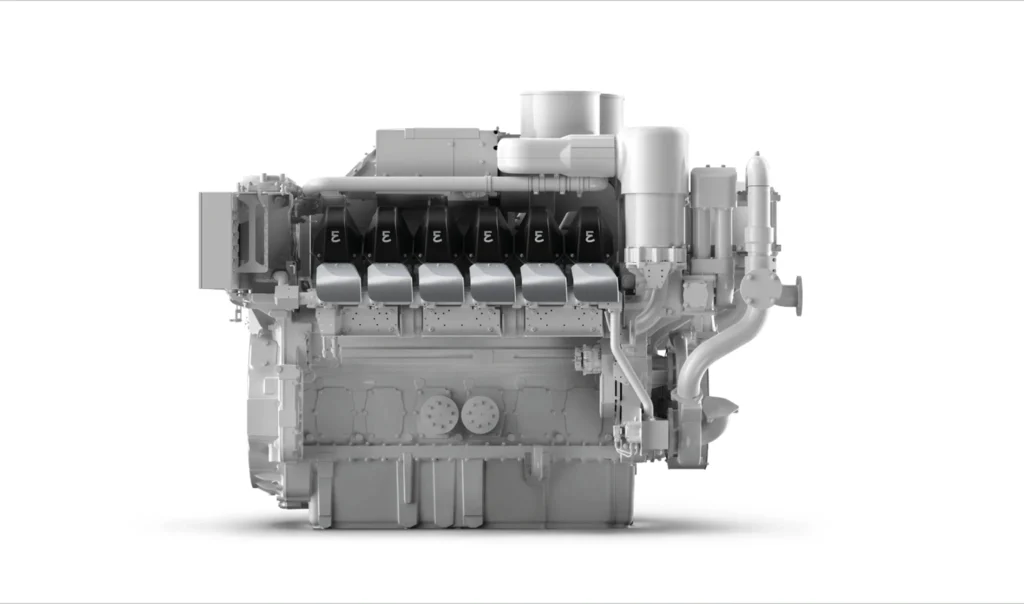
Engine manufacturer Everllence has completed the first full-scale tests of its 175DF-M dual-fuel methanol engine, marking a significant milestone in maritime decarbonization efforts. The trials took place at the company’s Test and Research Center in Frederikshavn, Denmark, where the 12-cylinder engine demonstrated reliable operation in both diesel and methanol modes.
The 175DF-M engine achieves its highest efficiency when running on methanol, with the capability to use over 95% methanol across a wide load range for its variable-speed variant. This performance is enabled by a low-pressure port-fuel-injection (PFI) system, which simplifies fuel-supply infrastructure while reducing installation costs and system complexity compared to traditional high-pressure setups.
Technical Advancements in Methanol Fuel Systems: methanol engine
Another key feature is the engine’s retrofit-friendly design, which allows existing vessels to transition to methanol fuel with minimal modifications. The high parts communality between diesel and methanol configurations provides shipowners with a practical pathway to adopt carbon-neutral operations without extensive overhauls.
Everllence has already secured its first commercial orders for the 175DF-M, with 12V and 16V variable-speed gensets scheduled for delivery in mid-2027 to two superyacht customers. The company positions this engine as a cornerstone of its strategy to support the shipping industry’s shift toward lower-carbon operations.
Commercial Viability and Industry Impact
Florian Keiler, Sales & Business Development Manager at Everllence, stated that the test results confirm the engine’s potential for diverse maritime applications, including superyachts, tugs, offshore vessels, government fleets, and passenger ships. Keiler emphasized the company’s focus on developing solutions that balance efficiency with operational practicality, addressing both environmental and commercial needs.
The successful trials underscore methanol’s growing role as a viable marine fuel, offering a pragmatic alternative for shipowners navigating stricter emissions regulations. With commercial deliveries on the horizon, the 175DF-M engine could accelerate the adoption of methanol across multiple vessel segments.


Sign up free to ask CAMAL AI for a summary, the key points or anything else about this story.
Related stories
CAMAL AI
 Financial Ports Newsletter
The maritime economy, every morning
Ports, shipping and freight markets in one short email. Free.
Financial Ports Newsletter
The maritime economy, every morning
Ports, shipping and freight markets in one short email. Free.



