

U.S. Navy’s $400m Bet on Texas Shipyard for Next-Gen Landing Craft
Saronic Technologies to build multiple LCU vessels at Port Alpha, with first deliveries expected in 2029
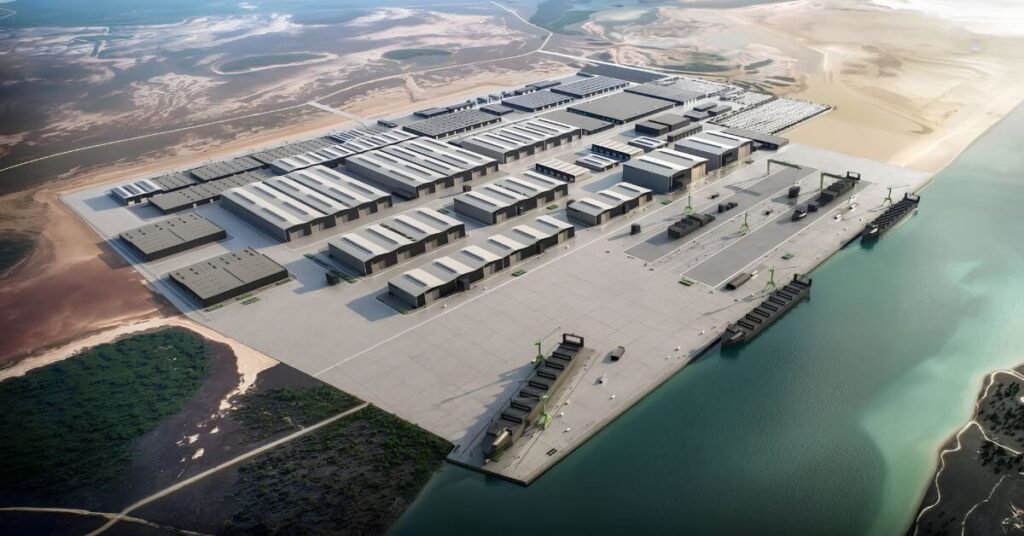
The US Navy has awarded Saronic Technologies a contract to build multiple Landing Craft Utility (LCU) vessels, the first of which will roll off the line at the company’s new Port Alpha shipyard in Brownsville, Texas, by 2029.
The vessels, designed to transport troops, vehicles and cargo directly to unimproved shorelines without needing a port or pier, can carry up to 170 tons and have a range of 1,200 nautical miles. The contract, awarded under an Other Transaction Authority (OTA), is a firm fixed-price agreement that reflects the Navy’s push for faster, cost-effective shipbuilding.
Why the LCU vessels matter for the US Navy’s hybrid fleet: landing craft utility
The LCU vessels are a critical component of the Navy and Marine Corps’ strategy to replace an aging fleet. These craft are essential for amphibious operations, allowing forces to move equipment and personnel from ships to shore in environments where traditional port infrastructure is unavailable or damaged. The vessels’ ability to carry 170 tons of cargo makes them versatile for both combat and humanitarian missions.
Saronic Technologies, the contract marks a significant shift. The company, which has primarily focused on autonomous surface vessels like the Corsair and Marauder, is now entering the manned naval shipbuilding sector. Dino Mavrookas, Saronic’s Co-Founder and CEO, emphasised the strategic importance of the deal:
“This award reflects the kind of partnership we set out to build with the Navy, where speed, cost discipline, and a modern industrial base reinforce each other.”
Dino Mavrookas·Saronic-Founder and CEO
Port Alpha shipyard, where the LCU vessels will be built, is designed to support both manned and autonomous shipbuilding. Located in the Port of Brownsville, Texas, the facility is expected to become a key player in the US maritime industrial base. Initially capable of building vessels up to 850 feet long, the shipyard could eventually handle ships up to 1,200 feet, positioning it to support the Navy’s long-term hybrid fleet plans.
Port Alpha will transform US naval shipbuilding
Port Alpha is not just another shipyard. It is designed to integrate advanced manufacturing techniques, including robotics and software, alongside traditional shipbuilding methods. This hybrid approach aims to reduce production times and costs while maintaining high standards of quality. The shipyard is expected to create up to 10,000 jobs once fully operational, providing a significant boost to the local economy in Brownsville.
Saronic’s plans for Port Alpha extend beyond the LCU vessels. The company has already secured a $400lion production agreement with the Navy for its Corsair autonomous surface vessel, a 24-foot craft designed for unmanned operations. To date, Saronic has built more than 400 Corsair vessels, demonstrating its expertise in autonomous maritime technology. The company has also been selected for at-sea testing of its Marauder, a larger 180-foot autonomous ship. Mavrookas highlighted the dual focus of the shipyard:
“Port Alpha is designed to produce large autonomous surface vessels alongside currently manned ships, supporting the Navy’s hybrid fleet strategy while adding surge capacity to the broader U.S. maritime industrial base.”
Dino Mavrookas·Saronic-Founder and CEO
The LCU contract represents a critical step in Saronic’s evolution. While the company has built its reputation on autonomous vessels, the move into manned shipbuilding signals its commitment to addressing the Navy’s immediate needs. Mavrookas underscored this transition:
“We are tackling the quick production of a vital manned vessel the Navy needs today as we ramp up to meet the needs of an autonomous maritime future.”
Dino Mavrookas·Saronic-Founder and CEO
The first LCU vessels are expected to be delivered in 2029, with production set to begin in 2028. The vessels will play a key role in modernising the Navy’s amphibious capabilities, ensuring that forces can operate effectively in a wide range of environments. For the US maritime industry, the contract is a sign of growing investment in domestic shipbuilding, with Port Alpha poised to become a cornerstone of the Navy’s future fleet.
As the project progresses, the Navy will likely monitor the shipyard’s ability to deliver on its promises of speed, efficiency, and innovation. If successful, Port Alpha could set a new standard for naval shipbuilding in the US, blending traditional craftsmanship with cutting-edge technology to meet the demands of a rapidly evolving maritime landscape.


Sign up free to ask CAMAL AI for a summary, the key points or anything else about this story.
Related stories
CAMAL AI
 Financial Ports Newsletter
The maritime economy, every morning
Ports, shipping and freight markets in one short email. Free.
Financial Ports Newsletter
The maritime economy, every morning
Ports, shipping and freight markets in one short email. Free.