

Iran Turns Back Indian Tanker as Hormuz Blockade Tightens
Tehran claims control of Oman Channel, turning away a 54,368 dwt LPG carrier bound for Qatar
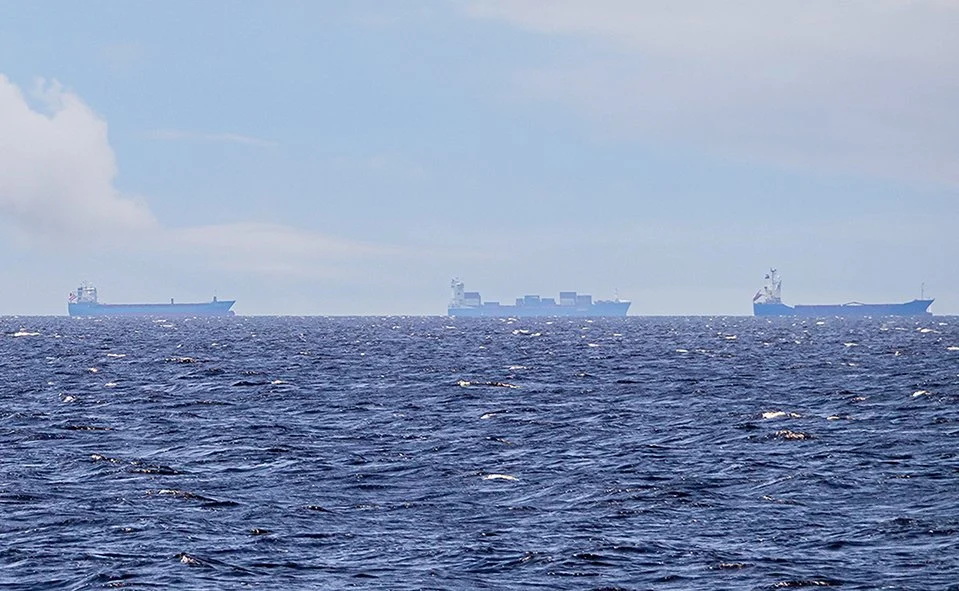
Iran has intensified its efforts to control maritime traffic in the Gulf region, claiming to have forced an Indian-managed tanker to reverse course in the Oman Channel. The incident comes as Tehran negotiates with Oman over the future operation of the critical Strait of Hormuz.
The Islamic Revolutionary Guard Corps (IRGC) announced it had turned back the Marshall Islands-flagged LPG tanker Haana, a 54,368 deadweight ton vessel managed from India since September 2025. According to Iranian state media outlets Fars and Mehr, the tanker received a warning while attempting to transit the southern route and subsequently aborted its journey.
Iran’s Blockade Claims and Recent Incidents
Tracking data confirmed the Haana’s movements, showing it entered the Strait of Hormuz before making a U-turn and anchoring near Qatar’s Port of Ras Laffan. The vessel had previously been stationed at the Khor Fakkan anchorage off the UAE.
Iranian officials stated that no vessel traffic had been observed along the southern route in the past 24 hours, reinforcing their claim of effective control over the area. Meanwhile, shipping intelligence firm Windward reported detecting another vessel—a Panama-flagged product tanker—that appeared to attempt an inbound transit before stopping and later resuming its course.
Tehran asserts it has reached “acceptable” terms with Oman to temporarily reopen the Strait of Hormuz under a joint operation agreement. The IRGC claims the deal includes a division of waters and revenue-sharing, though its implementation depends on the U.S. “stopping its obstruction” and returning to a broader regional agreement. However, Omani officials told Reuters that negotiations were still ongoing.
Diplomatic Maneuvering and Market Reactions
In response to Iran’s actions, major Indian refineries and energy companies are reviewing Tehran’s blacklist of tankers, issued on August 23, to avoid sanctioned vessels and ship-to-ship transfers. The uncertainty has led to cautious navigation in the region, with shipping data firm Kpler reporting only a slight increase in traffic—10 vessels on Wednesday compared to eight the previous day.
The U.S. has maintained its own presence in the area, with Central Command reporting that 75 ships have been redirected as of August 27. American military aircraft continue to patrol the skies over the Middle East, underscoring the ongoing standoff between Tehran and Washington over control of the vital waterway.


Sign up free to ask CAMAL AI for a summary, the key points or anything else about this story.
Related stories
CAMAL AI
 Financial Ports Newsletter
The maritime economy, every morning
Ports, shipping and freight markets in one short email. Free.
Financial Ports Newsletter
The maritime economy, every morning
Ports, shipping and freight markets in one short email. Free.