

Iran Escalates: Two More Ships Hit in Hormuz as Oil Prices Surge Past $103
UKMTO confirms two new strikes in the Strait of Hormuz on Tuesday, pushing Brent crude above $103 per barrel.
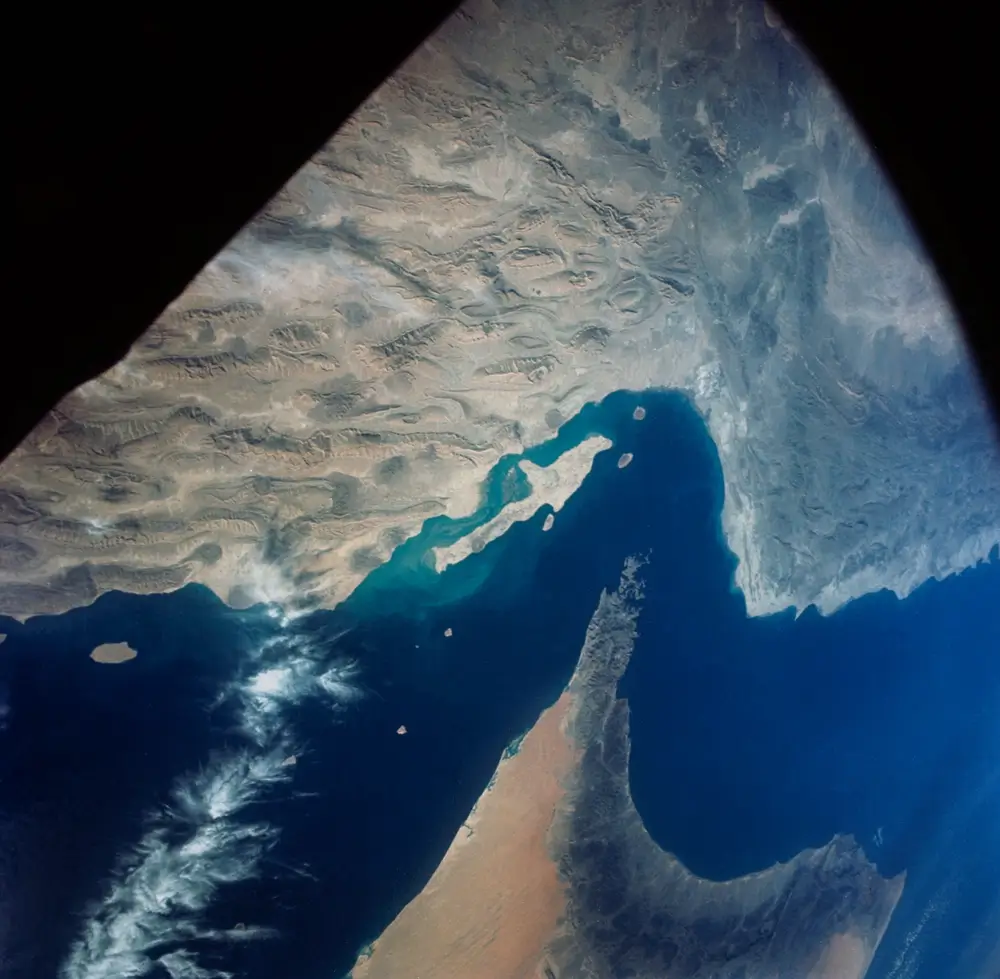
The Strait of Hormuz has seen renewed violence with two additional attacks on merchant vessels reported on Tuesday. According to UK Maritime Trade Operations (UKMTO), a tanker and a container ship were struck by unidentified projectiles north of the Musandam Peninsula. No details were provided about the timing, vessel names, damage, or crew status.
These latest incidents follow a surge in attacks on Sunday, when six vessels were targeted—the highest single-day toll since the conflict began. Monday passed without reported strikes, marking a brief lull in the escalating tensions.
Iran Adjusts Tactics as Attacks Intensify: strait of hormuz
Recent strikes have caused more severe damage than earlier drone attacks, including fires and disabling hits. Analysts suggest Iran may be deploying advanced anti-ship missile capabilities. The nonpartisan Institute for the Study of War (ISW) reported that Iran could be testing a new variant of its Kheibar Shekan ballistic missile, designed for maritime targets.
Brent Crude
Two Iranian officials, speaking anonymously to Reuters, confirmed a shift in strategy. They stated that both the method and pace of attacks have changed, with the explicit goal of disrupting U.S.-backed oil exports through the strait. The officials linked the campaign to economic pressure on American voters ahead of the upcoming U.S. midterm elections, claiming the strategy has high-level support within Iran’s leadership.
Global Response and Rising Risks
The escalation has drawn international concern, particularly after Sunday’s attacks. A Suezmax tanker carrying Iraqi crude was hit by an unidentified projectile, igniting a fire that left two sailors missing. Another product carrier was struck by a drone in the same wave of assaults, though no casualties were reported in that incident.
India’s foreign ministry condemned the attacks, calling for an immediate de-escalation and emphasizing the need to uphold freedom of navigation in international waters. Meanwhile, the U.S. Navy has intensified its operations in the region, targeting Iranian-linked vessels in response to the growing threat.
With neither side showing signs of backing down, the risk of further strikes—and potential miscalculations—remains high. The shipping industry has been advised to maintain strict compliance with identification protocols and avoid unauthorized routes as the crisis deepens.


Sign up free to ask CAMAL AI for a summary, the key points or anything else about this story.
Related stories
CAMAL AI
 Financial Ports Newsletter
The maritime economy, every morning
Ports, shipping and freight markets in one short email. Free.



