

Iran claims seven tankers ablaze in Hormuz surge
IRGC Navy strikes four vessels during ship-to-ship transfers and blames mines for three more fires in the Gulf.
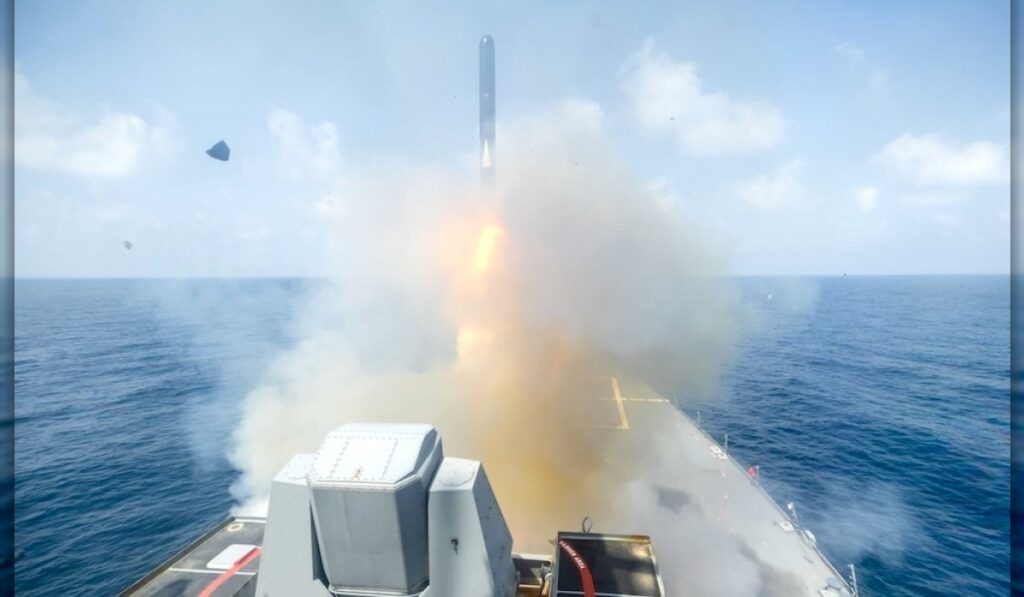
Iran’s Revolutionary Guards announced on Thursday that seven vessels had been targeted in the Persian Gulf over the past day, marking one of the most intense single-day escalations since the conflict began. According to the IRGC Navy, four tankers were struck simultaneously while conducting ship-to-ship oil transfers in the north-central Gulf, with all four reportedly left burning. Three additional vessels allegedly hit naval mines west of the Strait of Hormuz overnight, resulting in fires and immobilization.
Tehran provided no names, flag details, or casualty figures for the affected ships, and no independent evidence has verified the claims. The US military has repeatedly challenged Iran’s assertions about naval mines, insisting that missiles and drones are responsible for attacks on commercial shipping in the region.
Rising tensions and unverified claims: Iran
The latest incidents follow two separate attacks on tankers earlier this week. A projectile struck an unidentified vessel 11 nautical miles west of Bukha, Oman, though the fire was extinguished and the crew remained unharmed. Another tanker was hit 30 nautical miles southeast of Iraq’s Al Faw on Tuesday evening, with no reported injuries or significant damage.
The International Maritime Organization has recorded 119 confirmed maritime security incidents in the Middle East since hostilities began, including 24 seafarer fatalities. Among the affected vessels, the tanker Al Dasma suffered a second attack on October 20, highlighting the persistent dangers in the waterway.
Iran has warned the US that continued support for vessels navigating routes Tehran considers unauthorized could trigger attacks on American military bases in the region. Iranian state media reiterated the threat, framing the recent strikes as a response to US protection of commercial shipping in the Strait of Hormuz.
Oil flows persist despite heightened risks
Despite the surge in attacks, oil tankers continue to transit the Strait of Hormuz under US military escort. Operators are employing a “dark shuttle” method, turning off location systems and mobile phones while navigating a protected lane near Oman’s coast. The tactic allows vessels to transfer oil to other tankers in the Gulf of Oman for onward shipment, helping maintain prewar oil shipment levels.
However, the risks have driven spot charter rates for tankers into the hundreds of thousands of dollars per day, with ship-to-ship transfers taking several days to complete. Data from Lloyd’s List Intelligence confirms that operators willing to brave the route are navigating at night to reduce exposure. Meanwhile, the UK Maritime Trade Operations has noted a growing reluctance among shippers to report incidents, complicating efforts to track the full scale of the crisis.
October has seen the highest number of reported attacks on commercial shipping since March, according to UKMTO data, underscoring the escalating volatility in one of the world’s most critical maritime chokepoints.


Sign up free to ask CAMAL AI for a summary, the key points or anything else about this story.
Related stories
CAMAL AI
 Financial Ports Newsletter
The maritime economy, every morning
Ports, shipping and freight markets in one short email. Free.



