

Caspian Sea Surge: Iran’s 50% Trade Spike Amid US Blockade
Iran’s northern ports see a 50% jump in trade as US cuts off 80% of its southern routes.
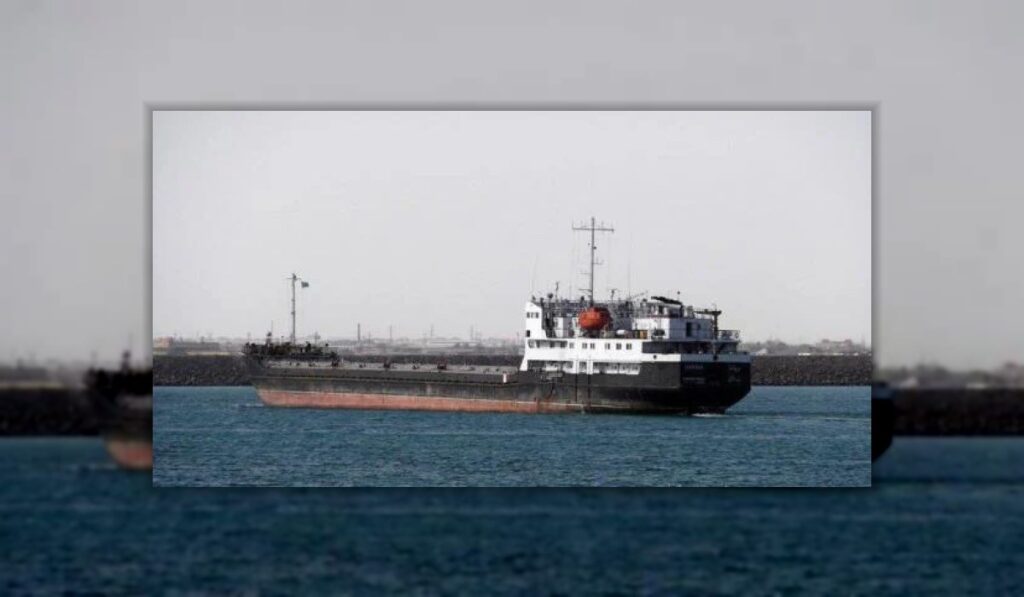
The blockade, described as nearly 100% effective, has cut off Iran’s primary trade arteries, including Bandar Abbas and other Gulf ports. Air traffic has also been largely grounded, with only a handful of flights, likely military or diplomatic, still operating. Meanwhile, land routes are gridlocked: at the Norduz crossing into Armenia, as many as 1,800 trucks are stranded, with some waiting up to 10 days to pass.
With its southern ports blocked and land borders choked, Iran has two remaining options for moving heavy cargo: railways through Turkmenistan and shipping across the Caspian Sea. The railway route, however, is fraught with risks. Aq Tekeh Khan bridge, a critical link to Kazakhstan and Russia, was struck by cruise missiles on July 9, though traffic was quickly restored. Turkmenistan’s neutrality in the conflict adds another layer of uncertainty, as the country is reluctant to be seen facilitating Iran’s trade.
However, its strategic importance has surged since the US tightened its naval blockade.
Before the blockade, ports like Bandar-e Anzali and Amirabad handled just 10% of Iran’s trade. Now, that figure has surged by 50% since March, according to the governor of Gilan province.
Ship tracking sites like VesselFinder show an average of eight vessels moving daily between Russia’s Astrakhan and Makhachkala and Iran’s Bandar-e Anzali and Amirabad. These movements are critical, as the Caspian remains one of the few routes where Iran can still move goods, albeit at a fraction of its previous capacity. The reliance on these ports has also drawn attention to the IRGC’s Unit 190, a specialist smuggling unit known for facilitating the movement of dual-use materials, including sodium perchlorate, a key component in rocket fuel production.
Russia, Iran’s principal partner in this endeavour, has a vested interest in maintaining the flow of goods, particularly as Western sanctions tighten on both nations. The two countries have increasingly aligned their economic and military strategies, with the Caspian serving as a critical conduit for this partnership. However, the route is not without its vulnerabilities.
Ukrainian attacks on Russian shipping in the Caspian and along the Volga-Don canal system pose a persistent threat. The Volga delta, where Russia’s Astrakhan port is located, is particularly exposed due to its shallow draft, which limits the size of vessels that can navigate the area. Any disruption to this route could sever Iran’s last remaining trade artery, with devastating consequences for its already struggling economy.
The economic strain of the blockade is palpable. Iran’s southern ports, including Bandar Abbas, were once the backbone of its trade, handling 80% of the country’s imports and exports. The shift to the Caspian has forced Tehran to adapt, but the costs are high. The need for smaller, more numerous vessels increases shipping times and expenses, while the limited capacity of the Caspian’s ports creates bottlenecks that further delay the movement of goods. For businesses and consumers in Iran, this has translated into higher prices and shortages of essential goods.
For the average Iranian, the blockade’s impact is felt in everyday life. Basic commodities, from food to medical supplies, have become more expensive and harder to find. The delays at land borders, such as the Norduz crossing into Armenia, have also disrupted the flow of goods, exacerbating shortages.
The Risks and Limitations of Caspian Shipping: Iran
Ukrainian attacks on Russian shipping, both in the Caspian and along the Volga-Don canal system, threaten to disrupt this fragile supply chain. The Volga delta, where Russia’s Astrakhan port is located, is particularly vulnerable due to its shallow draft, which limits the size of vessels that can operate there. Any disruption here could have cascading effects, cutting off Iran’s access to critical supplies and further isolating its economy.
Moreover, the Caspian’s capacity is inherently limited. The need for 20 shallow-draft ships to replace the capacity of a single ocean-going vessel highlights the inefficiency of this route. While it may keep Iran’s trade afloat, it cannot fully compensate for the loss of its southern ports.
The IRGC’s Unit 190, a specialist smuggling unit, is likely exploiting this route for high-value cargo, including dual-use materials like sodium perchlorate, which is used in rocket fuel production. This has raised concerns in Western capitals about the potential for the Caspian to become a conduit for illicit trade.
Previous attempts to develop rail routes to Russia through Azerbaijan failed due to diplomatic tensions and financial constraints. However, the route’s long-term viability is uncertain. The shallow draft of the Caspian’s ports, combined with the threat of Ukrainian attacks, makes it a high-risk proposition for Iran’s trade. For now, though, it is the only option Tehran has left.
However, the route’s limitations mean that it cannot fully replace the capacity of Iran’s southern ports. For businesses and consumers in Iran, this means continued disruptions and higher costs. The international community will be watching closely to see whether the Caspian can sustain Iran’s trade, or whether the country’s economy will sink under the weight of the blockade.
What This Means for Global Shipping and Trade
The shift in Iran’s trade routes has broader implications for global shipping and logistics. This has drawn the attention of shipping companies, insurers, and governments, all of whom are monitoring the situation closely. The increased traffic in the Caspian has also raised concerns about congestion and safety, particularly given the sea’s shallow draft and the limited infrastructure of its ports.
For shipping companies, the Caspian presents both opportunities and challenges. On the one hand, the increased demand for shallow-draft vessels has created new business opportunities. On the other, the risks of operating in a conflict zone, including the threat of Ukrainian attacks, have made insurers wary. Premiums for shipping in the Caspian have risen sharply, reflecting the heightened risks. This has added another layer of cost to Iran’s already strained trade operations.
The situation in the Caspian also highlights the vulnerabilities of global supply chains. The US blockade of Iran’s southern ports has demonstrated how quickly trade routes can be disrupted, forcing countries to adapt or face economic collapse. For nations reliant on maritime trade, the Caspian’s emergence as a critical route underscores the need for diversification and resilience in supply chains. The lessons from Iran’s experience are likely to resonate far beyond the region, as governments and businesses seek to mitigate the risks of future disruptions.
For now, the Caspian Sea remains Iran’s best hope for keeping its trade alive. However, the route’s limitations and risks mean that Tehran’s options are narrowing. With no immediate end in sight to the US blockade, the Caspian’s shallow waters may well determine whether Iran’s economy can survive, or sink.


Sign up free to ask CAMAL AI for a summary, the key points or anything else about this story.
Related stories
CAMAL AI
 Financial Ports Newsletter
The maritime economy, every morning
Ports, shipping and freight markets in one short email. Free.
Financial Ports Newsletter
The maritime economy, every morning
Ports, shipping and freight markets in one short email. Free.



