

US intermodal rail surges 7%—why the spike matters for global trade
US railroads carried 301,456 intermodal units in the week ending September 19, marking a 6.9% year-on-year increase.
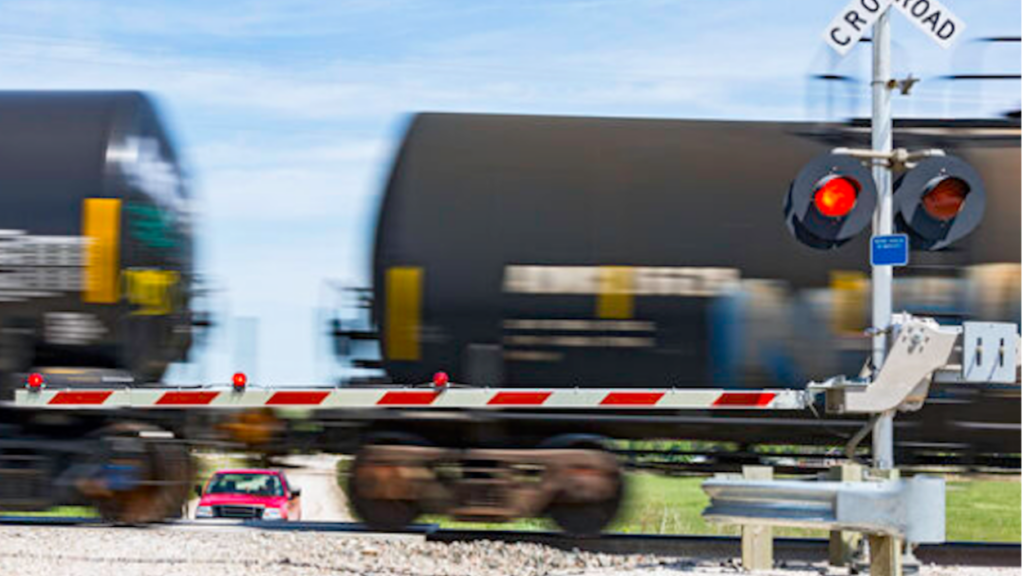
US intermodal rail traffic jumped 6.9% year-on-year in the week ending September 19, 2026, as North American railroads carried 301,456 containers and trailers, part of a broader 4.9% rise in total rail freight that signals a rebound in cross-border trade flows.
The latest data from the Association of American Railroads (AAR), the industry’s primary trade group representing major freight railroads in the US, Canada, and Mexico, shows US railroads moved 535,663 carloads and intermodal units during the week, a 4.9% increase compared to the same period in 2025.
The AAR, founded in 1934, compiles weekly rail traffic data from its members, offering a real-time barometer of economic activity across North America. While total carloads rose 2.4% to 234,207 units, the real story lies in intermodal: the 6.9% surge outpaced every other segment, underscoring its role as the backbone of North American supply chains.
What’s driving the 6.9% intermodal spike?: intermodal rail traffic
The gains were not uniform. Seven of the 10 carload commodity groups posted increases, with metallic ores and metals (+15.1%) leading the charge, followed by petroleum and petroleum products (+12.5%) and nonmetallic minerals (+6.9%).
These sectors reflect both industrial restocking and energy market dynamics, particularly as US refiners ramp up exports ahead of winter demand. The rise in metallic ores, for instance, aligns with increased steel production, a key indicator of manufacturing health, while the growth in petroleum products suggests heightened refining activity to meet seasonal fuel needs.
Yet not all commodities shared the momentum. Grain volumes fell 7.6.9%, coal dropped 3.1%, and motor vehicles and parts dipped 0.8%, highlighting sector-specific headwinds. The grain decline, in particular, may signal shifting export patterns or harvest delays, while coal’s retreat aligns with broader energy transitions away from fossil fuels. The 0.8% dip in motor vehicles and parts, meanwhile, could reflect ongoing supply chain adjustments in the automotive sector, where semiconductor shortages and shifting consumer preferences continue to disrupt production.
For stakeholders, these divergences present both opportunities and challenges. Ports and logistics providers serving industrial and energy sectors may see increased demand, while those reliant on agricultural or automotive freight must adapt to softer volumes. The AAR’s data serves as a critical tool for these players, enabling them to adjust capacity, reroute shipments, and manage inventory levels in response to shifting trade flows.
North of the border, the trend held firm. Combined North American rail volume for the week reached 727,798 units, a 4.6% year-on-year increase, with intermodal again leading the gains at 6%. For the first 37 weeks of 2026, cumulative traffic across the US, Canada, and Mexico stands at 25.9 million units, up 3.1% from 2025, a modest but steady recovery after two years of volatility. This regional consistency underscores the interconnected nature of North American rail networks, where cross-border trade, particularly between the US and Mexico, has become a linchpin of economic resilience.
Why this 6.9% surge matters for global trade
Intermodal rail is the invisible engine of global supply chains, linking ports to inland distribution hubs. The 6.9% jump in US intermodal traffic suggests two key developments: first, a rebound in consumer demand after a sluggish first half of 2026, and second, a shift in logistics strategies as shippers seek alternatives to trucking amid persistent driver shortages and fuel cost fluctuations. As shippers increasingly turn to rail for long-haul freight, the sector’s ability to absorb this demand becomes a critical factor in maintaining supply chain fluidity.
The data also reflects broader economic resilience. With cumulative US rail traffic up 3.4% for the year, totaling 18.9 million units, the sector appears to be shaking off the lingering effects of pandemic-era disruptions. However, the uneven performance across commodities serves as a reminder that recovery is not monolithic.
While industrial and energy-related freight thrives, agricultural and automotive sectors lag, mirroring wider economic disparities. For businesses, this means tailoring logistics strategies to sector-specific trends, whether by diversifying transport modes, adjusting inventory levels, or exploring alternative trade routes.
For global trade, the implications are clear. As US railroads handle more containers, pressure mounts on port terminals and inland logistics networks to keep pace. The recent announcement of a $100 million inland rail terminal capable of handling 60,000 TEUs annually underscores the industry’s push to expand capacity.
The terminal, part of a broader infrastructure investment trend, aims to alleviate congestion at coastal ports by shifting container handling inland, where rail connectivity can distribute freight more efficiently. Yet with intermodal growth outstripping carload gains, questions linger: Can railroads scale fast enough to avoid bottlenecks, or will this surge strain an already stretched system?
The stakes are particularly high for importers and exporters reliant on just-in-time delivery models. Delays at rail hubs or ports could ripple through supply chains, increasing costs and disrupting production schedules. To mitigate these risks, logistics providers are increasingly turning to digital tools, such as real-time tracking and predictive analytics, to monitor rail performance and anticipate disruptions before they occur. The AAR’s data, for instance, is often integrated into these platforms, providing shippers with actionable insights to optimize their freight movements.
Beyond immediate logistics concerns, the rail traffic surge also reflects broader geopolitical and economic shifts. The US-Mexico-US-Mexico-Canada Agreement (USMCA) (USMCA), which replaced NAFTA in 2020, has bolstered cross-border trade, particularly in manufacturing and automotive sectors.
Railroads, as the primary mode of transport for these goods, have benefited from this integration, with intermodal traffic between the US and Mexico growing at an even faster rate than domestic volumes. This trend is expected to continue as nearshoring gains momentum, with companies relocating production closer to North American markets to reduce reliance on distant supply chains.
The AAR’s weekly snapshot offers a cautiously optimistic outlook. If the trend holds, the final quarter of 2026 could see US railroads close the year on a high note, provided external shocks, from geopolitical tensions to labour disputes, don’t derail the momentum. For industry watchers, the next few weeks will be critical.
Key indicators to monitor include weekly intermodal volumes, commodity-specific trends, and any signs of congestion at major rail hubs. Additionally, labour negotiations between railroads and unions, set to resume later this year, could introduce new uncertainties, particularly if disputes lead to work stoppages or service disruptions.
The 6.9% surge in intermodal traffic is more than just a statistical uptick, it’s a call to action for shippers and logistics providers. With railroads handling a growing share of freight, businesses must reassess their supply chain strategies to leverage the efficiency and cost advantages of intermodal transport. For many, this means shifting away from over-reliance on trucking, particularly for long-haul shipments, where rail offers significant savings in both time and fuel costs.
However, the transition is not without challenges. Railroads, while efficient, require careful coordination to align with production and delivery schedules. Shippers must work closely with rail providers to ensure containers are loaded, transported, and unloaded within tight timeframes, particularly for time-sensitive goods.
The rise of inland rail terminals, such as the $100 million facility announced recently, is a step in the right direction, offering shippers more flexibility in managing their freight. These terminals act as regional hubs, enabling containers to be transferred from rail to trucks for final-mile delivery, reducing congestion at coastal ports and speeding up distribution.
For logistics providers, the surge in intermodal traffic presents an opportunity to expand service offerings. Companies that can integrate rail, trucking, and warehousing into seamless multimodal solutions will be well-positioned to capitalize on the growing demand for efficient freight transport.
This may involve investing in new technologies, such as blockchain for supply chain transparency or AI-driven routing tools, to enhance visibility and reduce transit times. Additionally, providers must stay attuned to sector-specific trends, tailoring their services to industries experiencing growth, such as metals and petroleum, while adapting to softer demand in others, like grain and automotive.
The broader economic context also plays a role. With inflationary pressures easing and consumer demand stabilizing, shippers are increasingly focused on cost optimization. Rail, with its economies of scale, offers a compelling alternative to trucking, particularly for bulk commodities and containerized goods. However, the sector’s ability to sustain this growth hinges on continued investment in infrastructure, technology, and workforce development.
The $600 million in new railcar orders secured by Greenbrier, a leading railcar manufacturer, is a positive sign, indicating that railroads are preparing for sustained demand. These new railcars, designed for intermodal and bulk freight, will help alleviate capacity constraints and improve service reliability.
As the rail industry navigates this period of growth, several challenges loom on the horizon. Chief among them is the need to expand capacity without compromising service quality. The 6.9% surge in intermodal traffic, while welcome, has already raised concerns about potential bottlenecks at major rail hubs, such as Chicago and Kansas City, where freight volumes are highest. To address this, railroads are investing in infrastructure upgrades, including double-tracking lines, expanding terminal capacity, and deploying advanced scheduling systems to improve throughput.
Labour relations are another critical factor. The rail industry has faced persistent workforce shortages, particularly among train crews and maintenance personnel. As demand grows, the need for skilled labour becomes even more acute. The upcoming labour negotiations between railroads and unions will be closely watched, as any disruptions could have far-reaching consequences for supply chains. A protracted dispute, for instance, could lead to service delays, increased costs, and a shift back to trucking, undermining the progress made in intermodal growth.
Environmental considerations are also shaping the future of rail freight. As governments and businesses prioritize sustainability, railroads are increasingly seen as a greener alternative to trucking. According to the AAR, rail is up to four times more fuel-efficient than trucks, making it a key player in reducing carbon emissions from freight transport.
This advantage is likely to drive further investment in rail infrastructure, particularly as companies seek to meet their environmental, social, and governance (ESG) goals. However, the industry must also address its own emissions, particularly from diesel-powered locomotives, by accelerating the adoption of alternative fuels and electrification.
For shippers, the message is clear: the rail renaissance is underway, but success will depend on adaptability. Those who embrace intermodal transport, invest in digital tools, and collaborate closely with rail providers will be best positioned to navigate the challenges and opportunities ahead.
The AAR’s data, updated weekly, will remain an essential resource for tracking these trends and making informed decisions. As the final quarter of 2026 unfolds, all eyes will be on whether this momentum can be sustained, or whether external shocks will once again test the resilience of North America’s rail networks.


Sign up free to ask CAMAL AI for a summary, the key points or anything else about this story.
Related stories
CAMAL AI
 Financial Ports Newsletter
The maritime economy, every morning
Ports, shipping and freight markets in one short email. Free.
Financial Ports Newsletter
The maritime economy, every morning
Ports, shipping and freight markets in one short email. Free.



