

200,000m³ LNG Carriers: The $85m Secret to Slashing Shipping Costs
Lloyd’s Register study reveals 200,000m³ LNG carriers could cut transport costs while accessing 88 global terminals.
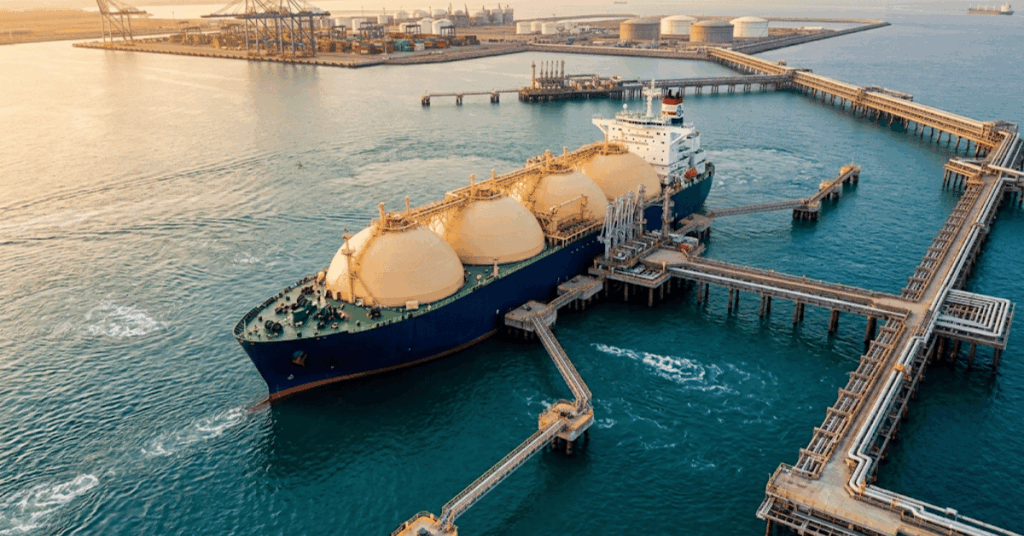
The next generation of LNG carriers could hold the key to slashing shipping costs without requiring major upgrades to global terminal infrastructure, according to a new study by Lloyd’s Register (LR).
The LR study, presented at Gastech 2026, found that 88 LNG terminals worldwide are already compatible with 200,000m³ carrier designs. This means larger vessels could be deployed across core trades with minimal disruption to existing operations.
“The industry is entering a period where fleet renewal decisions will shape LNG transportation for decades to come,” said Sujith Tooneri, Global Head of Newbuild Advisory Services at LR and co-author of the study. “Our analysis shows that 200,000m³ LNG carriers can retain access to most major LNG terminals while increasing cargo carrying capacity, making them a practical option for owners looking to improve transportation efficiency and support future trade growth.”
Natural Gas
The research also debunked a common assumption about cargo tank configuration. The study found no material difference in terminal accessibility between three-tank and four-tank concepts for 200,000m³ vessels. Instead, vessel beam, draft, and displacement were identified as the most critical factors in determining compatibility with existing infrastructure.
This finding is particularly significant as the LNG shipping sector faces increasing pressure to improve transport efficiency while preserving operational flexibility. The LR study suggests that larger vessels could help owners and charterers move more cargo per voyage, reducing the number of sailings required for a given transport volume. This efficiency gain comes at a time when LNG carriers are operating at lower average speeds, making cargo capacity per voyage an increasingly important factor in fleet economics.
The Economic Case for Larger LNG Carriers
Beyond the technical compatibility, the LR study also modelled the commercial performance of 200,000m³ LNG carriers across Atlantic and Pacific trading routes. The results revealed compelling economic advantages for both owners and charterers. Despite the modest reduction in terminal accessibility, the larger vessels offer meaningful benefits through increased cargo carrying capacity and improved transportation efficiency.
This figure reflects the combined impact of moving more cargo per voyage and reducing the number of sailings required to transport a given volume of LNG. The study notes that these economic advantages could become increasingly relevant as the industry seeks to balance transportation efficiency with long-term operational flexibility.
“The significance of these findings is that larger LNG carriers do not appear to require a wholesale rethink of terminal infrastructure,” said Constantinos Chaelis, Global Gas Segment Director at LR. “Many key LNG hubs are already capable of supporting these vessel concepts, which gives the market a realistic pathway to improve transport efficiency while maintaining broad trading optionality.”
The study’s findings come at a time when major players in the LNG shipping market are already investing in next-generation fleets.
We are investing in a next-generation fleet to efficiently connect key supply sources with high-growth demand centers.".
The ADNOC L&S order is part of a broader fleet expansion program that has seen the company commit more than $$5 billion billion to newbuilds since 2022. The program includes 32 vessels, with 9 already delivered and 23 scheduled for delivery through 2029. This investment aligns with ADNOC’s target of achieving 47 million tonnes per annumlion tonnes per annum (MMtpa) of marketable LNG capacity by 203$5 billion.
The LR study’s findings suggest that the 200,000m³ LNG carrier concept could play a pivotal role in meeting this growing demand. By offering a balance between increased cargo capacity and compatibility with existing terminal infrastructure, these vessels could help the industry achieve greater efficiency without the need for costly upgrades to global LNG facilities. As fleet renewal decisions accelerate, the 200,000m³ carrier may well become the standard for the next generation of LNG shipping.


Sign up free to ask CAMAL AI for a summary, the key points or anything else about this story.
Related stories
CAMAL AI
 Financial Ports Newsletter
The maritime economy, every morning
Ports, shipping and freight markets in one short email. Free.
Financial Ports Newsletter
The maritime economy, every morning
Ports, shipping and freight markets in one short email. Free.



