

Container Shipping Faces 10% Demand Drop as Suez Traffic Returns
BIMCO warns that accelerated fleet growth could outpace demand in 2027, even as Red Sea routes reopen.
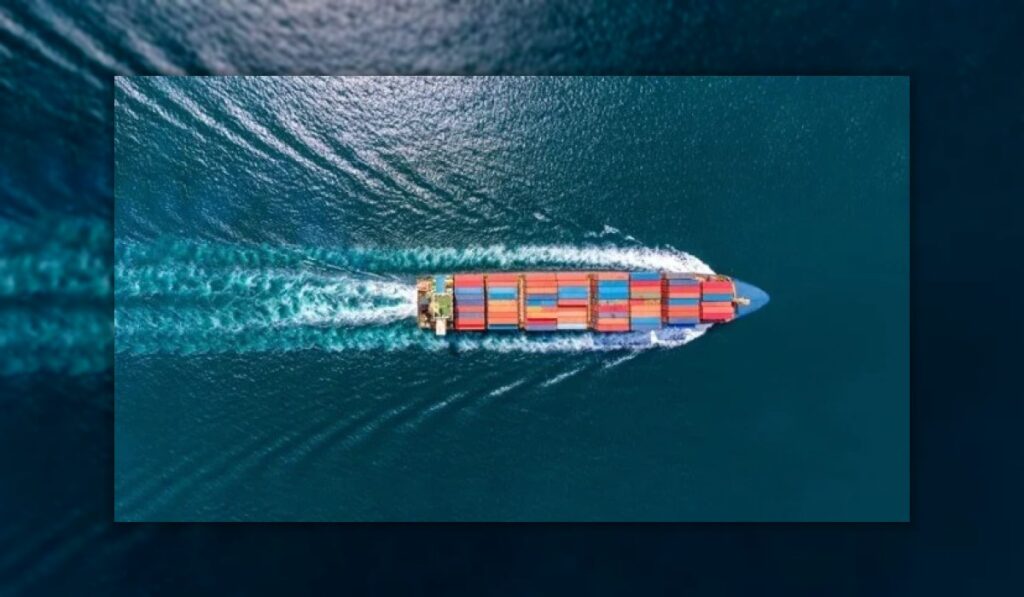
The container shipping industry faces a potential shift as vessels gradually return to the Suez Canal and Red Sea routes, a move that could reshape global trade flows. According to a recent analysis by trade group BIMCO, this transition may ease some pressures but also introduce new challenges for the sector in 2027.
Global container volumes increased by 5.1% year-on-year during the first seven months of 2026. Growth was primarily driven by exports from East and Southeast Asia, which accounted for over half of the expansion. However, this rise was not uniform: while non-Persian Gulf trade routes saw strong gains, volumes to and from South and West Asia declined.
Capacity Growth Raises Concerns: Demand
Despite the rebound in trade, the industry is grappling with an oversupply of vessel capacity. BIMCO projects that container ship capacity will grow by 4.6% in 2026 and accelerate to 9% in 2027, reaching a total of 34 million TEU. The current orderbook for new vessels stands at 14 million TEU, equivalent to 42% of the existing fleet. With only 140,000 TEU expected to be recycled and 1.6 million TEU of capacity tied to vessels older than 25 years, the imbalance between supply and demand could worsen.
A.P. Møller-Maersk
Niels Rasmussen, BIMCO’s Chief Shipping Analyst, cautioned that “accelerated fleet growth could weaken the supply/demand balance in 2027.” The return of major carriers—including Maersk, MSC, and CMA CGM—to the Suez route is expected to reduce demand for vessel capacity by up to 10% compared to the longer Cape of Good Hope detour. If the normalization trend continues, BIMCO estimates that ship demand growth in 2027 could fall five percentage points below earlier forecasts.
Operational Disruptions Persist
The industry’s recovery is further complicated by ongoing logistical challenges. Schedule reliability among container carriers dropped to 29% in August 2026, a decline of roughly four percentage points from July. The Far East–Europe corridor was the most affected, with delays exacerbated by back-to-back typhoons in key Chinese ports. In Ningbo, Shanghai, and Yantian, 1.1 million TEU of freight remained stranded at anchorage due to congestion.
Carriers have also adopted slower sailing speeds to conserve fuel, a trend BIMCO expects to continue into 2027. While this may temporarily ease capacity pressure, it risks prolonging delays and straining supply chains. The Strait of Hormuz remains a critical uncertainty, with BIMCO warning that energy market disruptions could significantly reduce container demand growth.
The long-term outlook for the sector will depend on how quickly trade routes stabilize and whether capacity growth can be managed effectively.
“Accelerated fleet growth could weaken the supply/demand balance in 2027.”
— Niels Rasmussen, BIMCO Chief Shipping Analyst


Sign up free to ask CAMAL AI for a summary, the key points or anything else about this story.
Related stories
CAMAL AI
 Financial Ports Newsletter
The maritime economy, every morning
Ports, shipping and freight markets in one short email. Free.
Financial Ports Newsletter
The maritime economy, every morning
Ports, shipping and freight markets in one short email. Free.