
Thessaloniki Port Signs Rail MoU to Boost Balkan Intermodal Transport

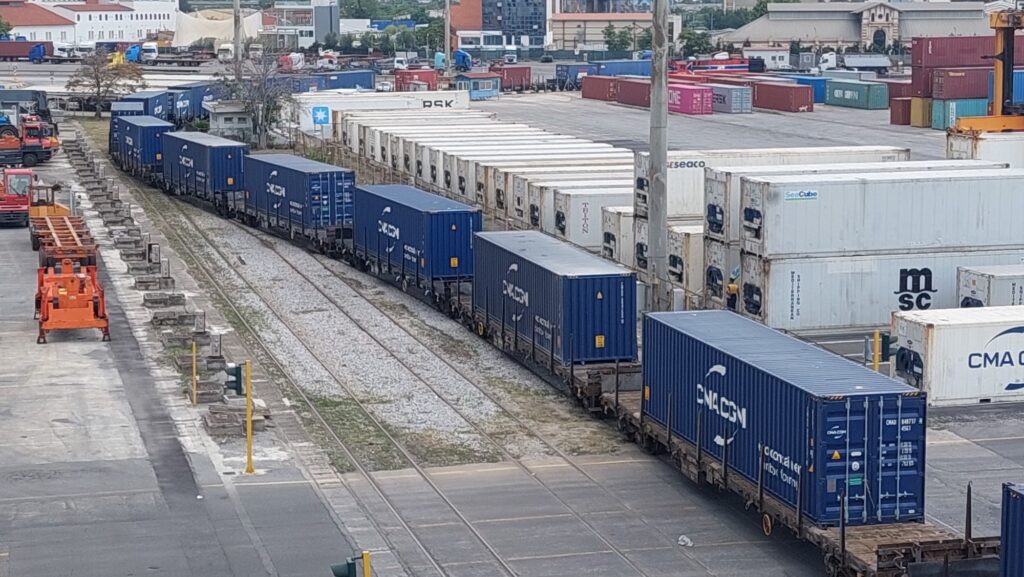
Thessaloniki Port has signed a rail memorandum of understanding to boost Balkan intermodal transport, according to a brief post carried by Ports Europe. The announcement, as framed by the source headline, signals an intention to enhance connectivity along regional corridors by aligning rail and port interests under a cooperative framework. While the scope and mechanics of the arrangement are not described in the source, the reference to a MoU points to a structured expression of intent that typically precedes more detailed operational or investment plans. In the absence of an accompanying statement, the development is best read as an initial step toward deeper coordination.
The source post provides no additional information on the signatories, governance structure, milestones, or funding elements that may underpin the understanding. It does not specify start dates, expected capacity gains, target commodities, or the particular terminals and rail links involved. Without such details, independent verification of the agreement’s contours is not currently possible based solely on the source text. For now, the information available is limited to the fact of the signing and its stated objective of supporting intermodal enhancement in the Balkan region.
What the agreement signals—and what is still unclear
In general terms, a Memorandum of Understanding functions as a non-binding framework that outlines shared objectives, delineates areas of cooperation, and opens channels for technical working groups. It is often used to align stakeholders ahead of formal contracts, regulatory clearances, and capital commitments. Such instruments enable parties to define priorities, explore feasibility, and identify the practical steps required to translate intent into operational change. Absent the underlying text, however, it is not possible to know which specific provisions, if any, define targets for service levels, infrastructure interfaces, or data exchange in this case.
Intermodal connectivity relies on predictable handoffs between modes, standardized processes, and efficient terminal operations. In a rail–port context, that typically involves coordinated timetables, yard management protocols, and performance monitoring across the chain. While the source does not describe concrete measures, the emphasis on intermodal improvement suggests a focus on reducing friction at interfaces, improving equipment utilization, and increasing reliability. These are standard ambitions for initiatives seeking to move more cargo by rail to and from seaports while integrating customs, security, and digital documentation practices.
The Balkans constitute a key geography for north–south and east–west flows that traverse multiple borders. Projects framed around rail and port collaboration in this wider region often aim to streamline cross-border processes, synchronize operating windows, and make better use of existing capacity before contemplating large-scale new builds. Although the source does not attribute any such measures to this agreement, the headline’s regional reference indicates a strategic orientation toward facilitating movements across national networks—an area where even incremental improvements in coordination can yield material gains in transit times and service dependability.

From an operational perspective, initiatives like this frequently examine terminal dwell times, train formation practices, wagon availability, and information-sharing between dispatchers and port planners. They may also consider customs sequencing and yard layouts to ease the transfer of units between rail tracks and quay stacks. For shippers and logistics providers, the practical value typically resides in more reliable schedules, clearer service offerings, and consistent key performance indicators. The source does not confirm whether any of these elements are included, so their relevance here remains indicative rather than specific.
Another common dimension of rail–port cooperation is digital integration, encompassing standardized messaging, real-time visibility, and event management across systems. Additionally, stakeholders sometimes pilot limited-scope improvements to validate concepts before scaling. Again, the source provides no such details in this instance. As a result, the most prudent reading of the announcement is that it marks the beginning of a process in which feasibility, governance, and investment pathways could be defined over time and disclosed as the work progresses.
Next steps typically include an official joint statement clarifying signatories, objectives, deliverables, and indicative timelines. Observers will look for specifics on regulatory coordination, capacity targets, operational pilots, and any anticipated infrastructure interventions. They will also look for clarity on financing sources, whether public, private, or blended. Until such information is available, the signing stands as a signal of intent to strengthen rail–port alignment in support of intermodal flows across the region.
Given the absence of disclosed particulars, expectations should be calibrated accordingly. The immediate significance lies in the coordination message itself. Subsequent disclosures will determine the strength, scope, and pace of implementation. Clear milestones, published metrics, and regular reporting would help convert intent into measurable progress and foster stakeholder confidence. As details emerge, consistency, accountability, and transparency will be the benchmarks by which the agreement’s impact is ultimately assessed.


Regístrate gratis para pedirle a CAMAL AI un resumen, las claves o lo que quieras sobre esta noticia.

Noticias relacionadas
CAMAL AI