

AD Ports, CMA CGM sign intermodal MoU for inland reach
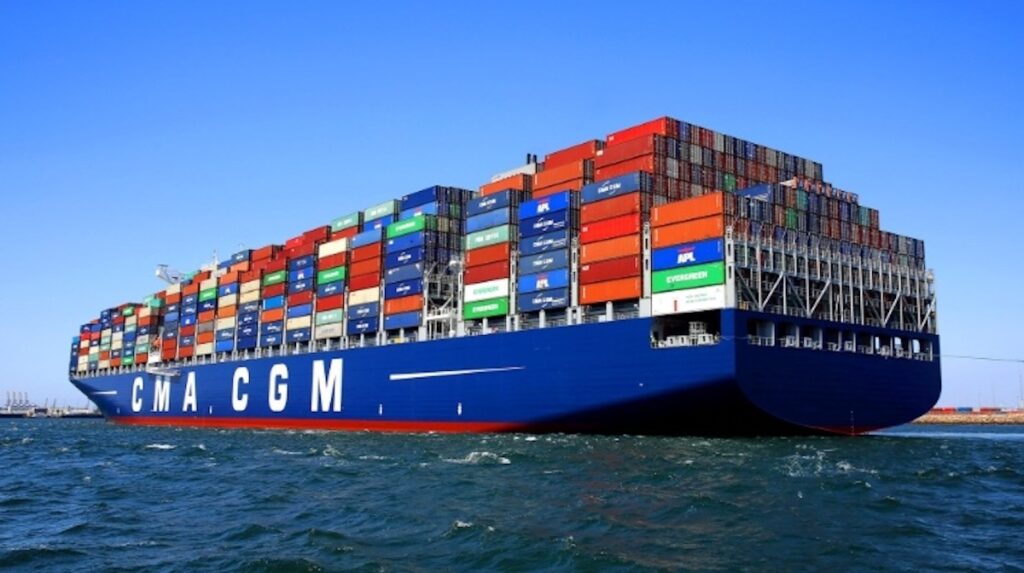
AD Ports and CMA CGM have signed an intermodal memorandum of understanding (MoU) to expand inland reach from Khalifa Port, marking a coordinated step toward closer sea-to-land integration. The agreement, as communicated in the headline announcement, sets out a framework for collaboration rather than a detailed service launch, but it underscores both organisations’ intent to strengthen access to inland markets and streamline cargo flows beyond the quay. By aligning objectives early, the partners indicate a shared focus on practical outcomes that support shippers’ end‑to‑end needs.
The intermodal emphasis suggests that future solutions would be designed to connect ocean gateways with inland nodes through standardized handoffs across multiple modes. While specific assets, corridors, or timelines were not disclosed, the stated aim to expand inland reach signals attention to first‑ and last‑mile performance, network visibility, and predictable lead times. In practice, such work often centers on schedules, equipment availability, and data exchange that enable smooth transfers between terminals, warehouses, and transport providers.
Intermodal ambitions and inland connectivity
Intermodal logistics generally integrates seaborne services with road, rail, and, where applicable, barge or short‑sea links, applying uniform handling units to minimize dwell and damage. Its central value proposition is improved connectivity across nodes, enabling cargo owners to plan with fewer handoffs and fewer points of failure. When executed well, intermodal design can raise operational efficiency, help stabilize schedules, and reduce administrative friction by standardizing documents and orchestrating data across carriers, terminals, and inland operators.
For a port operator and an ocean carrier, aligning on inland strategy can clarify standards, shared KPIs, and escalation paths that matter once containers depart the quay. A coordinated approach also informs equipment positioning, truck and train slot planning, and contingencies during peak seasons. By working toward a consistent playbook for the port’s hinterland, partners can reduce variability that typically erodes service quality and total landed cost.
Although the announcement stops short of listing projects, cooperative scope in arrangements of this nature can include depot rationalization, inland consolidation and deconsolidation practices, service bundling, and digital appointment systems. Governance typically covers how exceptions are handled and how performance is reviewed. Any future expansion would likely require targeted investment, commercial alignment with local providers, and careful sequencing to avoid bottlenecks when volumes shift between corridors.
For customers, the practical test will be whether door‑to‑door moves become easier to book, track, and complete. Enhanced status messaging, predictable interchange windows, and simplified billing are frequent asks from shippers and forwarders. If the collaboration progresses to concrete offerings, improvements could present as higher reliability on key routes, clearer service tiers, and more transparent accountability from origin to destination.
Industry experience shows that integrated sea‑inland designs can increase overall network resilience by balancing flows across modes and gateways when disruptions occur. When carriers and ports co‑develop inland options, they can also refine contingency playbooks—reroute faster, reissue documents with fewer touchpoints, and redeploy equipment with better foresight—without committing to a one‑size‑fits‑all product.
It is important to note that a memorandum of understanding is typically a non-binding document. It frames intent, coordination mechanisms, and working groups, but it does not specify binding capacities, schedules, or rates. As such, the announcement signals direction rather than delivery. Execution will depend on subsequent agreements, regulatory considerations where relevant, and the partners’ ability to synchronize resources over time.
As details emerge, stakeholders will look for evidence of measurable benefits: shorter dwell, smoother handovers, and clearer commitments along key inland corridors. Until then, the MoU stands as a public marker of intent to extend value beyond the berth by making the links between ship, terminal, and interior markets more deliberate and dependable.


Sign up free to ask CAMAL AI for a summary, the key points or anything else about this story.
Related stories
CAMAL AI
 Financial Ports Newsletter
The maritime economy, every morning
Ports, shipping and freight markets in one short email. Free.
Financial Ports Newsletter
The maritime economy, every morning
Ports, shipping and freight markets in one short email. Free.