

Intermodal Freight Surges as Carriers Ditch Trucks for Trains and Ships
J.B. Hunt’s intermodal operating ratio improves to 91 as volumes rise mid-single digits this quarter.
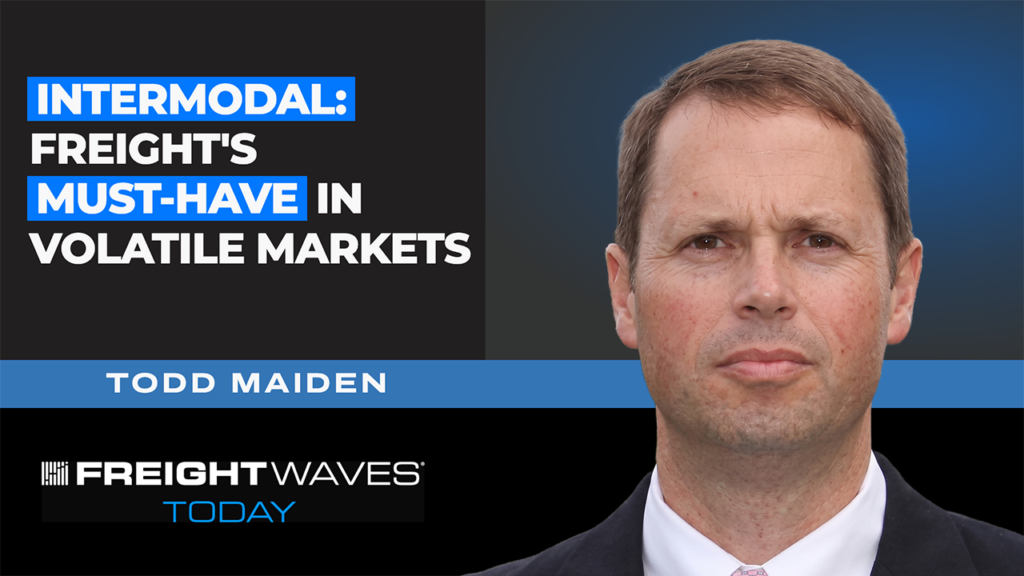
Intermodal freight is no longer a fallback option but a strategic necessity for carriers navigating volatile fuel costs and supply chain disruptions, with J.B. Hunt Transport Services leading the shift as volumes climb mid-single digits this quarter.
J.B. Hunt flagged a 5% to 10% sequential decline in third-quarter earnings per share from the previous quarter, though the company remains roughly flat year over year. The disclosure, made during a recent investor conference, initially rattled Wall Street, until analysts noted that J.B.
Hunt’s turnaround began in the third quarter of 2023, marking its fourth consecutive quarter of year-over-year improvement. The carrier’s intermodal operating ratio has already tightened from a trough of 93.6 to approximately 91, edging closer to its long-term target of 88-90, even without significant rate hikes.
Why Carriers Are Betting Big on Intermodal: intermodal freight
The pivot to intermodal, moving freight via rail and ship instead of long-haul trucks, is driven by two unrelenting pressures: persistent fuel costs and the lingering scars of past supply chain chaos. Diesel prices climbed sequentially in nine of the 13 weeks weeks of the third quarter, squeezing margins despite fuel surcharges. Meanwhile, drayage driver shortages act as a hard ceiling on volume growth, forcing carriers to optimise every link in the chain.
J.B. The programme, which avoids layoffs in favour of natural attrition and AI-driven lean processes, has helped the carrier weather the storm without sacrificing capacity. Driver additions in its dedicated segment are framed as growth-oriented spending, prefunding future demand rather than a sign of structural cost pressure.
“Modal conversion is no longer something we’ll contemplate. It’s really a necessity. But I think there’s some scars there from what it was in the past.”
Industry Expert·Freight Analyst
The October 1 intermodal bid season is the next critical milestone. Contract pricing, which lagged through a soft 2023 and a flattish 2024, is expected to inflect materially this cycle. Key customers like Walmart, Amazon, and Home Depot demand incremental, cycle-based negotiations, limiting how quickly rates can adjust. Yet even without major price increases, J.B. Hunt’s intermodal segment is already showing resilience, with volumes up mid-single digits this quarter.
For shippers and logistics managers, the shift toward intermodal presents both opportunities and challenges.
What’s Next for Freight’s Most Volatile Segments
While intermodal gains traction, the less-than-truckload (LTL) sector is staging its own rebound. Public carriers like Old Dominion, XPO, and Saia endured 3.5 years of industrial softness but maintained pricing power throughout. LTL tonnage turned positive year over year in March and has accelerated alongside the ISM manufacturing PMI, which has remained in growth territory for all nine months of the year. Carriers are running at more than 30% excess door capacity, a sign of cautious optimism as industrial activity picks up.
The LTL market, a $60 billion total addressable market, is highly fragmented, with regional carriers controlling significant portions of the business. Unlike the intermodal sector, which is dominated by a handful of large players, LTL carriers operate dense terminal networks to consolidate shipments, making capacity expansion a complex and capital-intensive process. The recent uptick in tonnage suggests that demand is finally catching up with supply, but carriers remain wary of overcommitting to expansion amid economic uncertainty.
Amazon’s foray into the LTL space has drawn skepticism from industry observers, who question whether the e-commerce giant can replicate its success in parcel delivery. The company currently operates roughly 30 terminals configured primarily for inbound freight, but its ambitions in the LTL market face significant hurdles, including infrastructure limitations and the need to build a network capable of handling larger, palletised shipments. While Amazon’s scale and logistical expertise give it a competitive edge, the LTL sector’s complexity may prove a formidable challenge.
The global parcel market, which potentially exceeds $1 trillion, offers a stark contrast to the LTL sector’s fragmentation. Dominated by a few major players, including UPS, FedEx, and DHL, this segment has seen rapid growth driven by e-commerce expansion.
However, the parcel market’s reliance on last-mile delivery presents its own set of challenges, including rising labour costs and the need for sustainable urban logistics solutions. For carriers, the key to success lies in balancing efficiency with flexibility, ensuring that networks can adapt to shifting consumer demands and regulatory pressures.
Yet challenges remain. Drayage driver shortages continue to cap intermodal growth, and fuel volatility could resurface. For now, however, the shift is clear: intermodal is no longer a Plan B but the backbone of a more resilient freight network. With J.B. Hunt’s operating ratio inching closer to its target and LTL volumes on the rise, the industry’s recovery appears to be gaining momentum, one container at a time.
Looking ahead, the freight industry’s trajectory will depend on several factors, including economic growth, fuel price stability, and labour market dynamics. The October 1 intermodal bid season will provide critical insights into contract pricing trends, while the LTL sector’s ability to sustain its rebound hinges on continued industrial expansion.
For shippers, the message is clear: adaptability and strategic modal conversion will be key to navigating an increasingly complex logistics landscape. Companies that embrace intermodal and LTL solutions stand to benefit from cost efficiencies and improved supply chain resilience, but only if they can overcome the sector’s persistent capacity and labour challenges.


Sign up free to ask CAMAL AI for a summary, the key points or anything else about this story.
Related stories
CAMAL AI
 Financial Ports Newsletter
The maritime economy, every morning
Ports, shipping and freight markets in one short email. Free.



