

Record Freight Rates Keep 340 Million Tons of Ageing Ships Afloat
Just 273 vessels sold for scrap in nine months as owners opt to keep ageing fleets sailing amid soaring earnings.
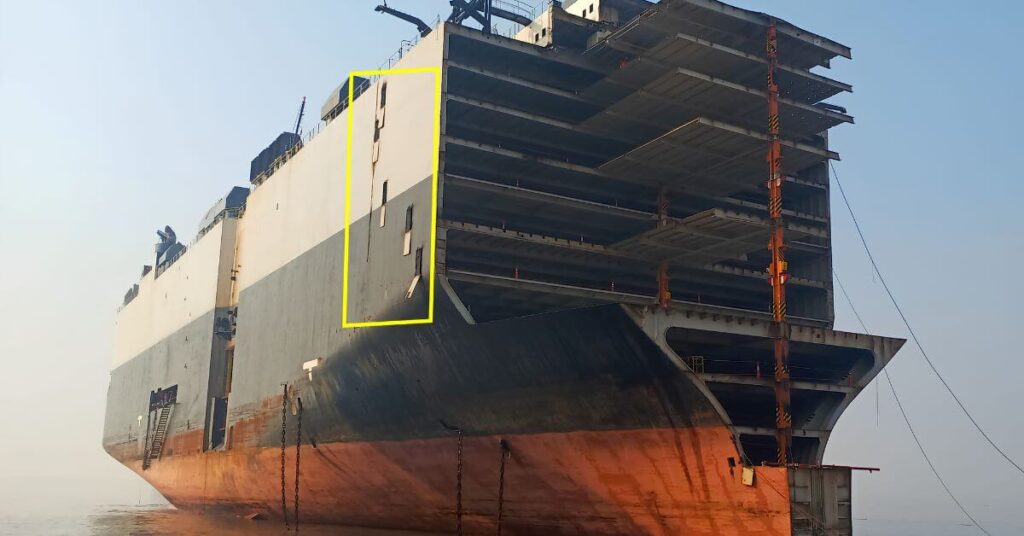
The global shipping industry is experiencing a historic slowdown in vessel recycling, with shipowners opting to keep ageing fleets operational amid record freight rates.
According to Clarksons Research, only 273 ships—totaling 5.5 million gross tons (approximately 8 million deadweight tons)—were sold for scrap in the first nine months of 2026. This marks a 13% decline compared to the same period last year and is nearly 60% below the average recycling levels seen in the 2000s and 2010s. The current rate of scrapping is the lowest since the early 1970s, with less than 0.5% of the global merchant fleet’s tonnage being dismantled annually over the past five years.
Record Freight Rates Delay Ship Recycling
The primary factor behind this trend is the unprecedented strength of the freight market. The ClarkSea Index, which measures daily earnings across the shipping sector, hit a record $84,951 per day in the week ending October 9—its fifth consecutive all-time high. Year-to-date, the index has averaged 70% higher than in 2025 and 87% above the 10-year trend, making it far more profitable for owners to keep older vessels in service.
Natural Gas
While scrap steel prices in major recycling hubs like India, Bangladesh, and Pakistan have risen by 20-25% this year, the financial incentive to scrap ships remains weak. Cash buyers such as GMS report that shipowners are prioritizing operational earnings or secondhand sales over demolition, despite recyclers’ readiness to purchase more vessels. The market has become a waiting game, with both sides testing each other’s patience.
Ageing Fleet Reaches Alarming Levels
The consequences of this low recycling rate are evident in the global fleet’s demographics. More than 340 million gross tons of merchant shipping capacity—nearly 20% of the global fleet—is now at least 20 years old, a 90% increase from five years ago. Tonnage aged 25 years or more has surged by 75% in the same period, while ships over 30 years old have reached a record 68 million gross tons.
The tanker sector is the most affected, with 22% of its capacity now over 20 years old—up from just 8% in 2021. Containerships follow, with 16% of their fleet aged beyond two decades, despite a newbuilding orderbook equivalent to 40% of the existing fleet. Bulk carriers and LNG carriers show lower proportions of older vessels, at 12% and 10%, respectively.
As long as freight rates remain elevated, the industry is unlikely to see a significant shift. For now, the standoff between shipowners and recyclers persists, with ageing ships continuing to sail rather than head to the breakers’ yards.


Sign up free to ask CAMAL AI for a summary, the key points or anything else about this story.
Related stories
CAMAL AI
 Financial Ports Newsletter
The maritime economy, every morning
Ports, shipping and freight markets in one short email. Free.