

Hybrid Ships Cut Fuel Costs by 30%—How ZF’s Tech Is Steering the Shift
ZF’s integrated hybrid and electric propulsion systems slash emissions and fuel use for commercial vessels worldwide.
The maritime industry’s shift to lower-emission operations is no longer a distant goal, it’s a present-day reality, driven by tightening environmental regulations, soaring fuel costs, and the demand for operational flexibility.
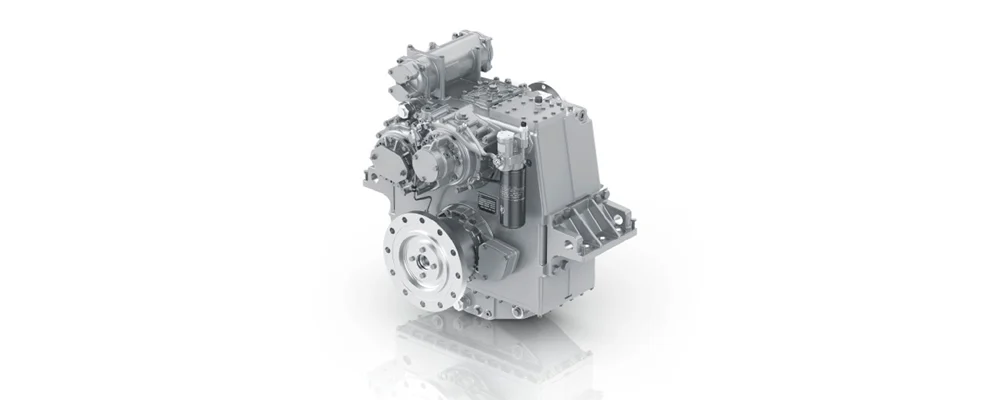
ZF Marine addresses this by providing a complete driveline ecosystem, hybrid transmissions, electric motors, control systems, azimuth thrusters, fixed-pitch propellers, and shaftlines, all engineered to work as a unified system. This integration reduces complexity for shipbuilders and system integrators while enhancing efficiency, lowering emissions, and cutting operating costs for vessel owners.
How Hybrid Propulsion Systems Work: Flexibility Without Compromise
Modern hybrid propulsion systems allow vessels to operate in multiple modes, adapting to the demands of each mission. For example, a hybrid tugboat can minimise fuel consumption by running at reduced engine loads while on standby. Ferries navigating populated waterfronts can switch to electric power for quiet, emissions-free operation.
Research vessels benefit from near-silent propulsion and reduced vibration, improving both scientific data collection and crew comfort. During acceleration or emergency manoeuvres, electric motors provide an additional boost, while generator mode allows the propulsion system to produce onboard electrical power, further improving fuel efficiency.
One of the most significant advantages of hybrid systems is their ability to extend maintenance intervals. Since diesel engines spend more time offline during electric operation, wear and tear are reduced, lowering lifecycle costs. For waterjet-powered vessels, ZF’s NRD PTI transmission line offers a tailored solution, ensuring compatibility with a wide range of propulsion architectures.
ZF’s portfolio is designed to accommodate diverse operational profiles, allowing vessel owners to select the propulsion system best suited to their needs. For those pursuing maximum emissions reductions, the company’s serial hybrid and fully electric solutions provide a flexible foundation.
The ENC transmission family, available across the ZF 2000 to ZF 9000 series in straight, angle, and V-drive configurations, is optimised for high-speed electric motors, delivering exceptional power density, efficiency, and low noise and vibration characteristics. This enables naval architects to integrate electric propulsion without compromising the performance expected from commercial-duty vessels.
Beyond Shaftlines: POD Propulsion and Thruster Innovations
ZF’s innovations extend beyond conventional shaftline propulsion. Its POD propulsion systems, featuring direct-drive electric motors, combine efficient electric propulsion with outstanding manoeuvrability, making them ideal for vessels requiring precise control.
The company’s thruster portfolio is equally versatile, offering direct electric motor options across a range of configurations, including deck-mounted, retractable, tunnel, counter-rotating, and well-mounted installations. This breadth of options allows operators to tailor propulsion systems to their vessel type rather than adapting their operations to limited technology offerings.
Operational flexibility is a key benefit of ZF’s hybrid systems. Vessels can switch between diesel and electric power based on mission requirements, optimising fuel consumption and reducing emissions. For instance, hybrid ferries can operate silently in urban areas, minimising noise pollution, while hybrid tugs can leverage electric power for precise manoeuvring in ports. The ability to generate onboard electrical power during diesel operation further enhances fuel efficiency, making hybrid systems a cost-effective choice for operators.
ZF Marine’s solutions are already in use across a variety of vessel types, including electric ferries, hybrid harbour tugs, commercial yachts, and inland workboats. The company’s global reach is reinforced by its participation in major industry events, such as SMM Hamburg, the Pacific Maritime Expo, and the International WorkBoat Show, where it showcases its latest innovations to shipbuilders, operators, and naval architects.
For vessel owners and operators, the transition to hybrid and electric propulsion is not just about meeting regulatory requirements, it’s about future-proofing their fleets. ZF Marine’s integrated solutions provide a practical roadmap for this transition, offering the flexibility to adapt to evolving operational demands while reducing environmental impact. With a 24/7 customer service line (1-833-ZF-WRENCH) and a Marine app for parts service and product catalog access, ZF ensures that operators have the support they need to navigate this new era of maritime propulsion.
As the industry continues to embrace lower-emission technologies, ZF Marine’s hybrid and electric propulsion systems are poised to play a pivotal role in shaping the future of maritime operations. Whether for new builds or repower projects, the company’s solutions deliver the efficiency, reliability, and sustainability that vessel owners demand, today and tomorrow.


Sign up free to ask CAMAL AI for a summary, the key points or anything else about this story.
Related stories
CAMAL AI
 Financial Ports Newsletter
The maritime economy, every morning
Ports, shipping and freight markets in one short email. Free.
Financial Ports Newsletter
The maritime economy, every morning
Ports, shipping and freight markets in one short email. Free.