

Guardian: Antwerp Port a Key Gateway for Cocaine
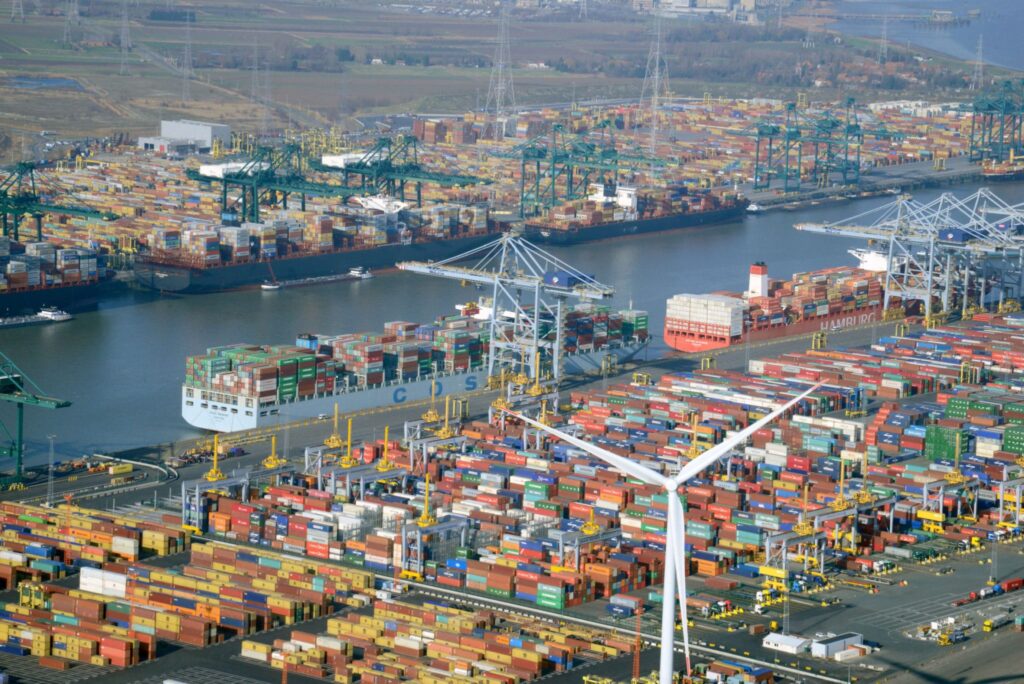
The Guardian has reported that the port of Antwerp is one of Europe’s main entry points for cocaine, a characterization that places the gateway at the center of debates over illicit flows moving through maritime logistics. While the brief reference offers few operational details, it underscores a recurring concern: how high-volume cargo hubs can be exploited by criminal networks to move contraband alongside legitimate trade. The claim, attributed to The Guardian, positions Antwerp as a focal corridor for cocaine into Europe, highlighting the port’s role as a principal entry point within broader international routes.
The mention, highlighted by Ports Europe, does not disclose specific seizure data, concealment methods, or enforcement tactics. Nevertheless, its framing signals the gravity of the challenge for port managers, customs officials, and policymakers. Maritime gateways operate under intense pressure to facilitate trade efficiently while preventing illicit consignments from slipping through. Any designation as a primary conduit for contraband, even when based on limited publicly available detail, tends to concentrate attention on governance, inspection capacity, and coordination among agencies tasked with protecting the integrity of cargo flows.
Limited Source, Broad Implications
Framing Antwerp as a principal artery for illicit narcotics invites a wider examination of vulnerabilities across European logistics nodes. Ports are complex ecosystems where carriers, terminal operators, freight forwarders, and regulators intersect, often at high speed and massive scale. Without adding facts beyond the cited report, it is evident that sustained vigilance is required to deter trafficking while maintaining predictable schedules for legitimate shipments. The reputational stakes are high: trust in port processes and supply chains can be shaken when criminal activity appears to exploit operational blind spots, even when most cargo moves lawfully.
The tension between speed and scrutiny sits at the core of the current discussion. Containerized cargo, optimized for throughput, challenges authorities to interdict high-risk consignments without imposing blanket delays. Risk-based screening, data analysis, and information-sharing are widely recognized principles in port security architecture, but their implementation varies by context and resource level. Against this backdrop, the Guardian’s characterization reinforces calls for calibrated investment in customs tools, layered security controls, and workforce capabilities that can adapt to evolving concealment practices without undermining service reliability.
The report’s emphasis on Antwerp also accentuates the importance of cross-border cooperation. Smuggling routes are not confined to a single jurisdiction, and maritime consignments typically traverse multiple regulatory touchpoints. For policymakers, operational partnerships—within Europe and with external counterparts—remain central to intelligence-led targeting and post-seizure investigations. Enhanced data pipelines, harmonized standards, and joint training initiatives are commonly cited pillars of more effective enforcement, provided they are resourced and sustained. These measures, while generic in description here, align with long-standing best-practice discussions in port risk management.
It is equally important to note the constraints of the available public reference. The brief item pointing to the Guardian does not offer quantification, case studies, or detailed operational narratives. In the absence of such specifics, responsible analysis limits itself to the core claim: Antwerp is identified as among Europe’s main gateways for illicit cocaine. Any further interpretation should be cautiously framed, encouraging transparency from relevant authorities and stakeholders who may be positioned to release corroborating data or describe corrective actions already underway.
For industry stakeholders, the immediate takeaway is practical rather than sensational. Directors of terminals, shipping lines, and logistics providers can reassess compliance protocols, vendor due diligence, and escalation pathways for anomalies, even as official investigations proceed within their legal remit. For regulators, prioritizing analytical capacity and interagency liaison will remain essential. And for the public, clarity from credible sources helps distinguish informed risk assessment from speculation. Until fuller documentation emerges, the Guardian’s characterization stands as a prompt for renewed attention to the balance between commercial efficiency and resilient safeguards at a pivotal maritime node.


Sign up free to ask CAMAL AI for a summary, the key points or anything else about this story.
Related stories
CAMAL AI
 Financial Ports Newsletter
The maritime economy, every morning
Ports, shipping and freight markets in one short email. Free.
Financial Ports Newsletter
The maritime economy, every morning
Ports, shipping and freight markets in one short email. Free.



