

$25m meth haul hidden in cabbage: How traffickers exploited Texas freight
Over 2,800 pounds of methamphetamine seized in a single South Texas produce shipment worth $25.17m
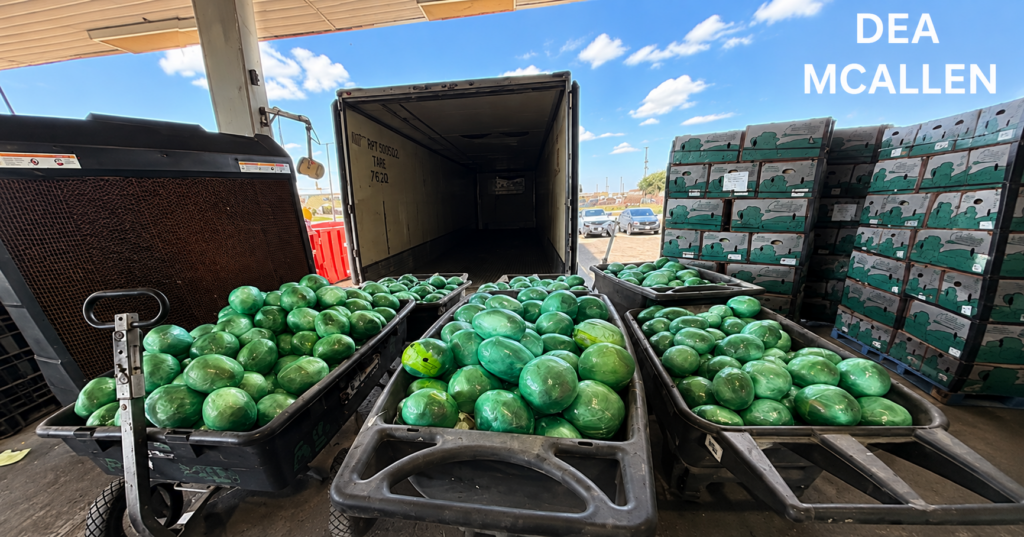
The operation was part of a broader Homeland Security Task Force investigation, with multiple agencies, including the DEA, HSI, FBI, CBP, U.S. Border Patrol, and Texas DPS, collaborating on the case.
Despite the scale of the seizure, authorities have not disclosed the identity of the driver, carrier, or intended destination of the shipment, leaving critical questions unanswered about the trafficking network behind the operation.
The use of produce shipments to smuggle narcotics is not new, but the sheer volume of this seizure underscores the sophistication of criminal organisations targeting U.S. supply chains.
The port’s cargo facility, in particular, is designed to facilitate the rapid movement of goods, which can inadvertently provide opportunities for illicit activities.
The statement, however, did not address why the shipment passed initial inspections or how the drugs were ultimately discovered. This lack of detail highlights the challenges faced by authorities in balancing efficient trade flows with robust security measures.
The Homeland Security Investigations (HSI), another key agency involved in the operation, is the investigative arm of the Department of Homeland Security. It specialises in combating transnational crime, including drug trafficking, human smuggling, and financial crimes. The collaboration between HSI, the DEA, and other agencies underscores the multi-layered approach required to disrupt sophisticated trafficking networks.
The broader implications for freight security: Texas
The seizure highlights the vulnerabilities in cross-border freight operations, where legitimate cargo can be exploited to transport massive quantities of narcotics. The DEA’s McAllen office described the discovery as a “major seizure,” but the case also raises concerns about how many similar shipments may evade detection. For freight operators, this incident serves as a stark reminder of the risks associated with cross-border logistics, including potential legal liabilities and reputational damage.
For the freight industry, the incident serves as a stark reminder of the risks associated with cross-border logistics. While authorities have not released details about the carrier or driver involved, the case could prompt tighter scrutiny of produce shipments, potentially leading to delays and increased costs for legitimate importers. The Texas Department of Public Safety (DPS), which also participated in the investigation, plays a critical role in supporting border security efforts, including highway patrols and intelligence-sharing with federal agencies.
The Federal Bureau of Investigation (FBI), another partner in the task force, brings additional expertise in tracking financial flows and organised crime networks. Its involvement suggests that the investigation may extend beyond the immediate seizure to target the broader logistics and financing structures behind the trafficking operation.
As the investigation continues, the DEA and its partner agencies have not ruled out the possibility of additional seizures or arrests. The case also underscores the need for enhanced cooperation between law enforcement and the freight sector to combat the exploitation of supply chains for illicit drug trafficking. Freight companies operating in the region are likely to face increased pressure to implement stricter internal controls, including background checks for drivers and enhanced tracking of shipments.
The Rio Grande Valley, where the seizure occurred, remains a hotspot for drug trafficking due to its proximity to Mexico and the high volume of commercial traffic. While this bust represents a significant blow to traffickers, it is unlikely to stem the flow of narcotics across the border without broader systemic changes in freight security and cross-agency coordination.
For stakeholders in the freight and logistics industry, this seizure serves as a call to action. Companies may need to invest in advanced screening technologies, such as X-ray scanners and canine units, to detect concealed narcotics. Additionally, closer collaboration with law enforcement agencies, including the DEA and CBP, could help mitigate risks and ensure compliance with security protocols.
The DEA has not yet released further details about the ongoing investigation, but the public can follow updates through official channels, including the DEA’s website and its social media platforms. The agency’s Houston and McAllen offices are likely to provide additional information as the case develops, including any arrests or charges filed against individuals linked to the trafficking network.
In a separate but related case, a cartel logistics boss was recently sentenced to nearly 19 years in prison for coordinating large-scale drug shipments into the U.S. This precedent underscores the serious legal consequences facing those involved in cross-border trafficking operations. The DEA’s efforts in South Texas are part of a broader strategy to disrupt cartel supply chains and dismantle the financial networks that sustain them.


Sign up free to ask CAMAL AI for a summary, the key points or anything else about this story.
Related stories
CAMAL AI
 Financial Ports Newsletter
The maritime economy, every morning
Ports, shipping and freight markets in one short email. Free.
Financial Ports Newsletter
The maritime economy, every morning
Ports, shipping and freight markets in one short email. Free.