

3.7 Tonne Cocaine Haul Sparks Deadly Chase Off Portugal
One smuggler killed and two injured after high-speed collision with police 80 nautical miles south of Faro.
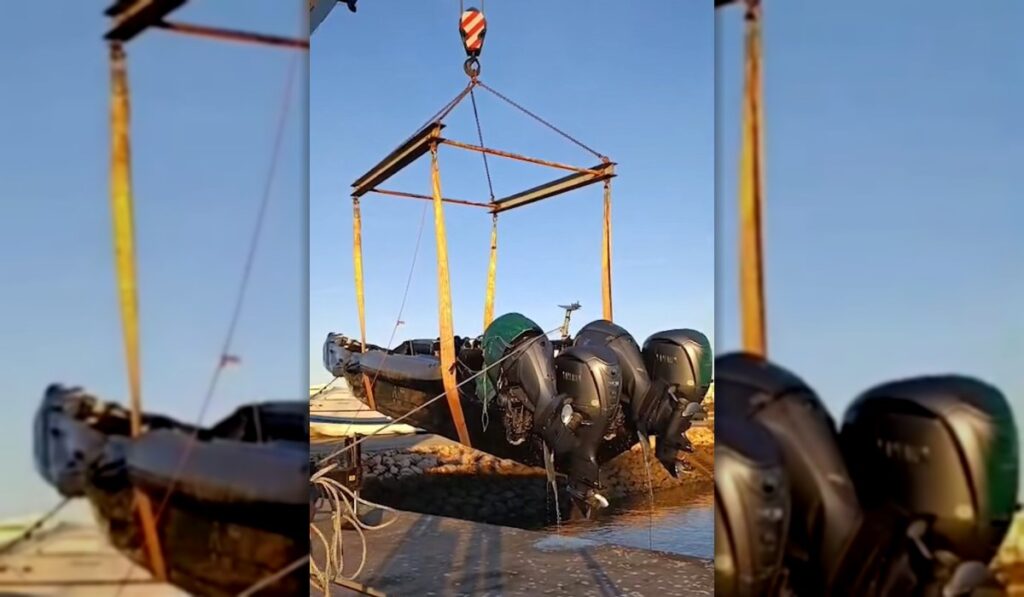
A cocaine smuggling operation off Portugal’s southern coast ended in tragedy on Sunday after a high-speed chase between traffickers and law enforcement resulted in one fatality and two injuries. The incident occurred when Portugal’s Judicial Police intercepted a suspicious vessel approximately 80 nautical miles south of Faro.
The smugglers, operating a 1,400-horsepower speedboat with four outboard engines, attempted to flee when approached by authorities. During the pursuit, their vessel collided with a police boat. One of the three crew members suffered severe injuries and was evacuated by helicopter, but medical teams were unable to save his life. The two surviving suspects were arrested and taken into custody for trial.
Drug Recovery and Smuggling Tactics: cocaine smuggling
Portuguese authorities seized 3.7 tonnes of cocaine at the scene, underscoring the scale of the operation. The incident highlights the persistent use of high-speed boats in drug trafficking, particularly in European waters. Smugglers often rely on powerful vessels to evade capture, transferring narcotics from larger ships to smaller, faster craft near key transit points like the Strait of Gibraltar and the Canary Islands.
These routes have become increasingly active as traffickers adapt to law enforcement pressure. While authorities in Europe and the U.S. have intensified efforts to disrupt smuggling networks—including military strikes on vessels in international waters—the flow of cocaine remains resilient. According to a Drug Enforcement Administration (DEA) assessment, the availability and street price of cocaine in the U.S. have shown no significant change despite these measures.
Traffickers’ Evolving Strategies
As enforcement tightens in traditional smuggling corridors, criminal networks have diversified their methods. Some now transport cocaine along coastal routes using fishing boats, while others risk open-ocean voyages despite the threat of interception. Another emerging tactic involves moving shipments downriver through the Amazon Rainforest to the Atlantic coast, bypassing heavily monitored maritime routes.
The incident off Portugal serves as a stark reminder of the challenges authorities face in combating drug trafficking, as smugglers continue to exploit gaps in enforcement while maintaining a steady supply to global markets.


Sign up free to ask CAMAL AI for a summary, the key points or anything else about this story.
Related stories
CAMAL AI
 Financial Ports Newsletter
The maritime economy, every morning
Ports, shipping and freight markets in one short email. Free.



