

AI Ocean Forwarders: The 6-Second Quote Race That Will Sink the Slow
Forwarders with AI-driven pricing engines will capture business in seconds.
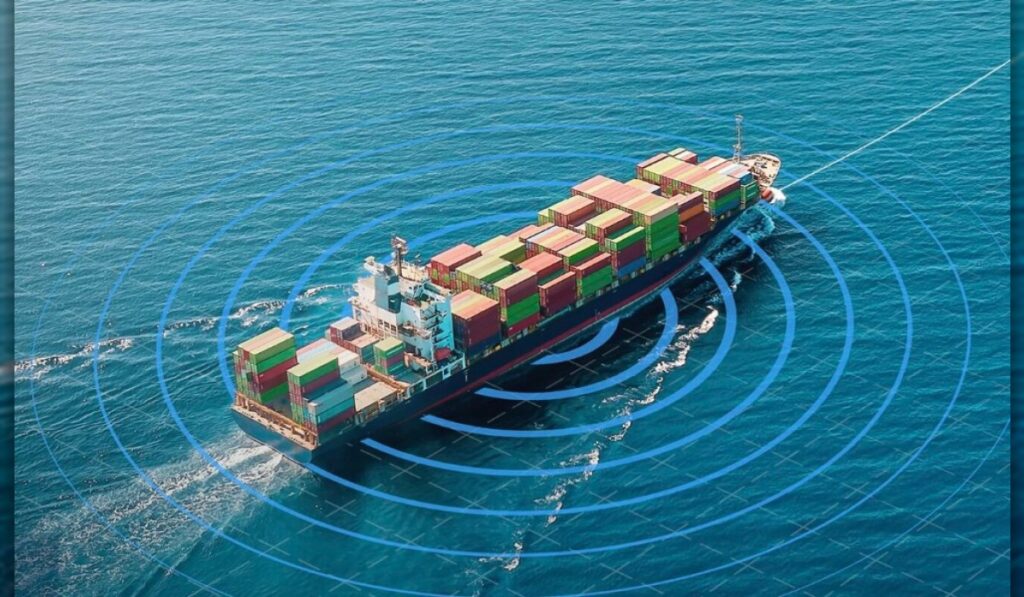
The structural shift is already underway. AI-driven shippers now expect systems to exchange quotes in seconds, generating volumes of requests no human team could ever process. The challenge, however, lies not in the AI models themselves, widely accessible to all, but in the data and integration that feed them. Every applicable charge must be correctly mapped, current for the trade lane, and complete enough to ensure the quoted total matches the actual cost of the shipment.
The foundation of an effective AI pricing engine is not the model, but the data layer beneath it. Forwarders must structure millions of rates, NAC, spot, and FAK, into a unified, machine-readable format. This layer must include margin rules by customer and lane, carrier allocations, and thresholds that decide when a quote requires human review. Without this, AI becomes a liability, generating inaccurate quotes at scale. Sebastian Cazajus, from cargo.one, emphasises the stakes:
“Commercial intelligence is the part unique to you. Capturing it, structuring it and keeping it current is the core work of the next decade in ocean forwarding.”
Sebastian Cazajus·cargo.one representative
Why Data Integrity Beats AI Hype in Ocean Forwarding: Forwarders
Commercial intelligence is not static. It evolves through thousands of quotes, learning which carriers honour allocations, which co-loaders respond to negotiation, and when persistence yields better rates. This knowledge, service data, commercial rules, partner logic, and service playbooks, must reside within the system where the work happens, updated in real-time to reflect market conditions. A forwarder who starts this quarter will be a year ahead of competitors by next year, simply because their AI has had more time to learn.
The forwarders best positioned for this shift are those who have already built a solid pricing and service data layer. Some have spent years developing this internally; others leverage platforms like cargo.one, which provides direct carrier connections and millions of structured rates. The priority is clear: make global pricing machine-readable and unified before automating delivery. Cazajus offers a blunt warning:
From Human Desks to AI Workers: The New Operating Model
“Get the pricing engine right before the AI. An accurate quote sent by email beats a wrong quote delivered by a chatbot.”
Sebastian Cazajus·cargo.one representative
Becoming machine-accessible is non-negotiable. As customers increasingly rely on AI to source quotes, forwarders must ensure their systems can respond via APIs, MCP servers, and structured access. The shift is already visible: a rate request from Shanghai can now be quoted, chased, and half-negotiated before anyone in Europe wakes up.
The implications for the industry are profound. Forwarders using AI for routine quoting, procurement, and booking can reallocate human resources to complex shipments, strategic accounts, and new business. A 100-person team can now compete with multinationals of thousands, not by hiring more staff, but by leveraging every quote the system handles. Traditional forwarders scale through headcount; AI-driven forwarders scale through data and automation.


Sign up free to ask CAMAL AI for a summary, the key points or anything else about this story.
Related stories
CAMAL AI
 Financial Ports Newsletter
The maritime economy, every morning
Ports, shipping and freight markets in one short email. Free.
Financial Ports Newsletter
The maritime economy, every morning
Ports, shipping and freight markets in one short email. Free.



