

Dual-Fuel Fleet Hits 500 Vessels as $200bn Investment Reshapes Shipping
World Shipping Council data reveals 41% growth in dual-fuel vessels in just one year.
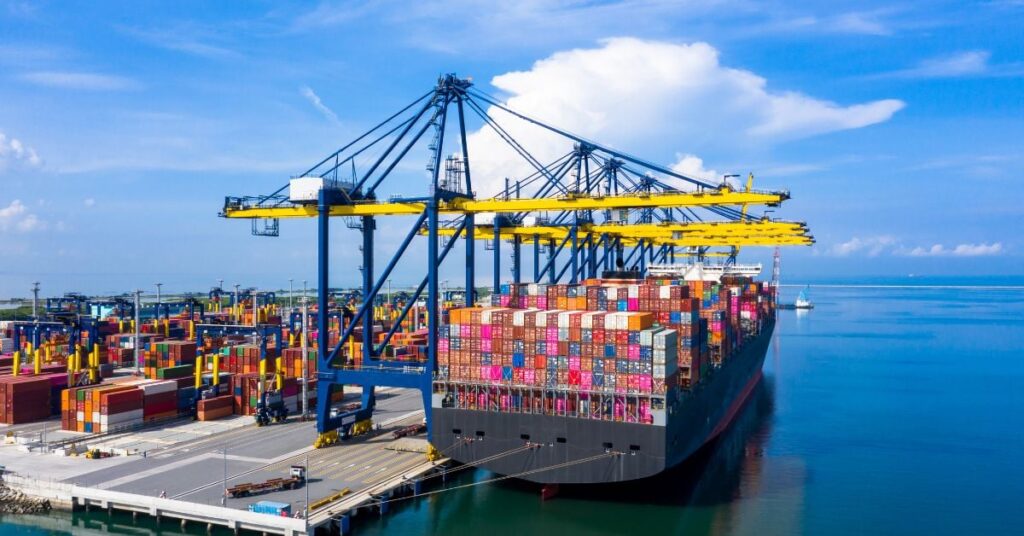
As of September 2026, 503 dual-fuel vessels are operating worldwide, up from 358 in the same period last year. The WSC’s Dual-Dual-Fuel Fleet Dashboard also reveals that 849 additional ships are currently on order, bringing the total number of dual-fuel vessels either delivered or in construction to 1,352. These ships, capable of running on both traditional marine fuels and alternative options like methanol or hydrogen, are designed to reduce greenhouse gas emissions and align with the maritime industry’s decarbonisation goals.
The push for dual-fuel vessels is being driven overwhelmingly by two segments: container ships and vehicle carriers. In contrast, the rest of the shipping fleet lags behind, with only 23% of orders opting for dual-fuel technology.
Despite the rapid growth, Joe Kramek, President and CEO of the WSC, warned that the industry’s transition to cleaner fuels is far from guaranteed. “Investments in dual-fuel vessels are increasing; however, to make them competitive and profitable, the infrastructure to handle them also needs to be upgraded so they can deliver optimum performance,” Kramek said. His concerns highlight a critical bottleneck: while shipowners are committing billions to new vessels, the global supply chain for alternative fuels remains underdeveloped.
Brent Crude
Container and Vehicle Carriers Lead the Surge: dual-fuel fleet
Kramek emphasised that vessels ordered today will remain in service for decades, meaning the decisions made now will shape the industry’s environmental and economic future. “Shipping companies and fuel producers need certainty to make the investments that will shape the future fleet and its fuel supply,” he added. Without a global framework to standardise emissions regulations and fuel costs, the industry risks a fragmented transition, with regional disparities creating inefficiencies and higher costs.
The WSC has called on International Maritime Organization (IMO) member states to collaborate on a unified greenhouse gas (GHG) measure. Kramek stressed that delays in establishing such a framework only increase uncertainty, making the transition more difficult and more expensive for the global economy. “A global measurement was needed which must be consistently enforced so companies and investors would develop confidence in the profitability of alternative fuels,” he said.
Meanwhile, traditional shipping segments are not standing still. The WSC report notes that orders for conventional vessels have also risen this year, driven in part by geopolitical tensions in the Gulf. Increased ship-to-ship transfers and rising oil prices have created renewed demand for oil tankers, highlighting the complex dynamics at play as the industry balances immediate economic pressures with long-term sustainability goals.
Infrastructure Lag Threatens Full Potential
For the dual-fuel fleet to fulfil its promise, stakeholders must address several key challenges.
Despite these hurdles, the momentum behind dual-fuel vessels is undeniable. The WSC’s data shows that the industry is moving decisively toward a cleaner future, with container and vehicle carriers leading the way. As Kramek noted, the decisions made today will have lasting consequences: “Ships being ordered today will remain in service for decades; hence shipping companies and producers of clean maritime fuel need to make conscious decisions as they would share the future fleet and alternative fuel supply chains.“
The next 12 months will be critical in determining whether the dual-fuel fleet can deliver on its environmental and economic potential. With over 1,300 vessels either in operation or on order, the industry has laid the groundwork for a transformative shift. However, without a global framework to support alternative fuels and standardise emissions regulations, the transition risks stalling, leaving billions of dollars in investments stranded and the maritime sector’s decarbonisation goals in jeopardy.


Sign up free to ask CAMAL AI for a summary, the key points or anything else about this story.
Related stories
CAMAL AI
 Financial Ports Newsletter
The maritime economy, every morning
Ports, shipping and freight markets in one short email. Free.



