

Japan’s IMO climate plan could scrap $15bn fund for developing nations
Opportunity Green warns Japan’s proposal removes key financing for zero-emission shipping and shifts power to private.
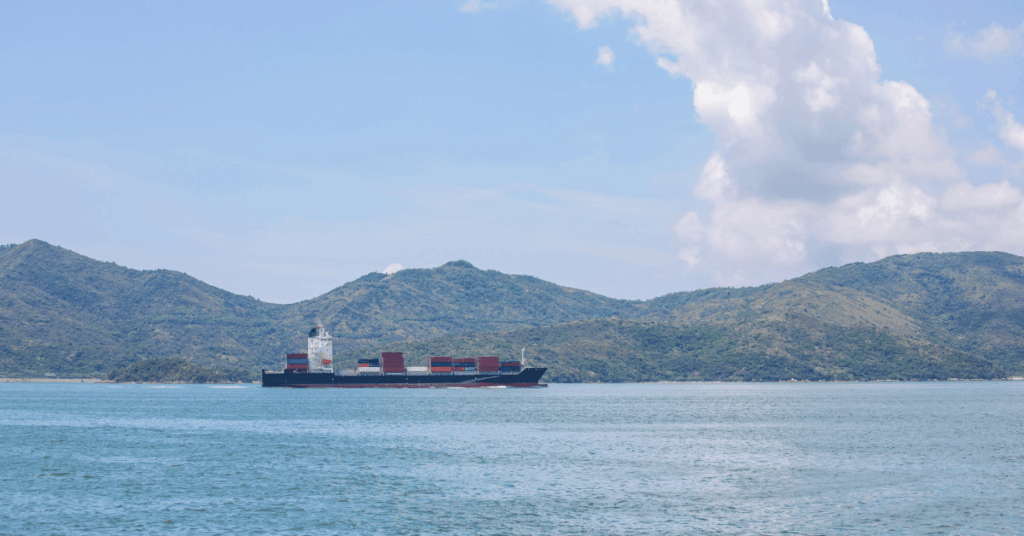
A climate advocacy group has raised alarms over Japan’s proposal to revise the International Maritime Organization’s (IMO) Net-Zero Framework, warning that the changes could dismantle critical financial support for developing nations and weaken emission reduction efforts in global shipping.
Opportunity Green, a non-governmental organization focused on climate policy, published an analysis ahead of the IMO’s upcoming negotiations in London this November and December. The report highlights how Japan’s proposal would eliminate the Net-Zero Fund, a key economic measure designed to generate $10-15 billion in compliance revenue for zero-emission ship technologies and infrastructure in climate-vulnerable countries.
Key risks of Japan’s proposed changes
The analysis identifies four major concerns if the revisions are adopted:
Natural Gas
1. Undermining a just transition: The Net-Zero Fund was established to ensure developing nations receive financial support for shifting away from fossil fuels in shipping. Removing it would not only eliminate the dedicated funding but also strip away the framework’s enforcement mechanism, leaving climate commitments unenforced.
2. Corporate control over climate financing: Japan’s plan replaces the fund with an industry-led system of “direct contributions,” where private companies decide how compliance revenues are spent. This shift could allow larger fleet owners to redirect funds toward their own supply chains, neglecting the needs of smaller nations and the broader maritime sector.
3. Reduced incentives for clean energy: The proposal prioritizes the use of Surplus Units (SUs) for compliance, allowing companies to meet regulations by purchasing credits rather than investing in zero-emission fuels. This could delay the adoption of cleaner technologies and prolong reliance on high-polluting alternatives like fossil-based liquefied natural gas (LNG) and biofuels.
4. Failure to meet emission targets: Weakened incentives for zero-emission fuels would hinder the industry’s ability to achieve the emission reduction goals set in the IMO’s 2023 Revised Strategy, risking further environmental harm.
Urgent call for action ahead of IMO negotiations
With the IMO’s critical negotiations approaching, Opportunity Green is urging member states to reject Japan’s proposal and retain the original Net-Zero Framework. The group warns that adopting the revisions would surrender decision-making power to the private sector without guarantees for equity or climate justice.
“Under Japan’s proposal, countries would be forced to concede the power to shape the global maritime transition to the private sector, with no safeguards or guarantees to deliver justice and equity,” said Em Fenton, Senior Director at Opportunity Green. “The Net-Zero Framework as agreed last year remains the fairest and most effective solution to drive the clean transition.”
The outcome of the London negotiations will determine whether the shipping industry can meet its climate commitments or risks further delays in reducing emissions.


Sign up free to ask CAMAL AI for a summary, the key points or anything else about this story.
Related stories
CAMAL AI
 Financial Ports Newsletter
The maritime economy, every morning
Ports, shipping and freight markets in one short email. Free.



