

US Navy Launches Warfighting Hub for Autonomous Systems
The US Navy’s new Robotic and Autonomous Systems Warfighting Development Centre will shape unmanned warfare tactics and.
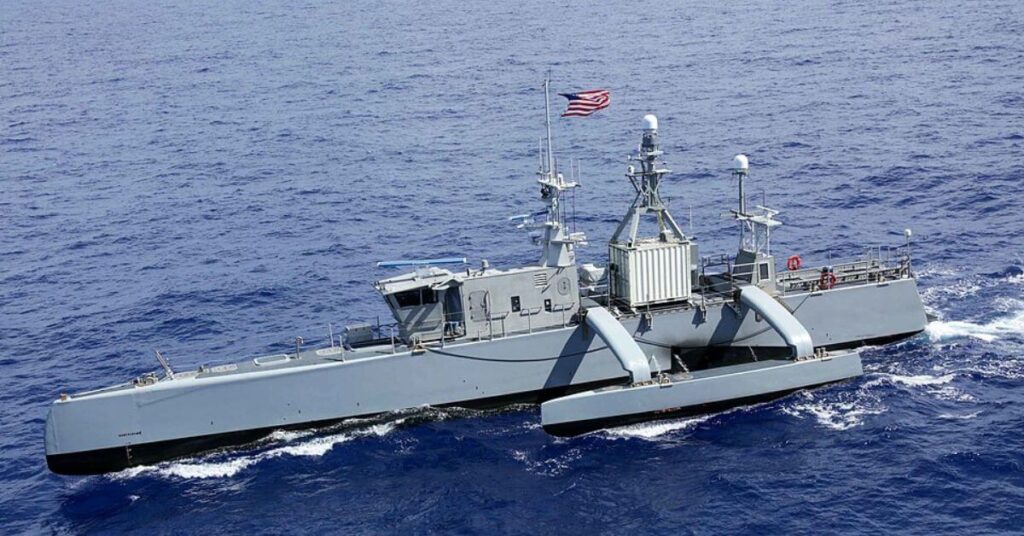
The US Navy has taken a decisive step toward modernising its warfighting capabilities with the establishment of the Robotic and Robotic and Autonomous Systems Warfighting Development Centre (RASWDC) Centre (RASWDC).
The RASWDC, which operates under the US Fleet Forces Command, will serve as the Navy’s primary hub for the operational use of unmanned systems. Its mandate includes developing tactics, techniques, and procedures for these systems, as well as preparing personnel to deploy them effectively.
Why the US (Eliminar como nombre propio) a (Eliminar como nombre propio): Autonomous Systems
Daryl Caudle emphasised, “To maintain our decisive maritime advantage, we must rapidly integrate robotic and autonomous systems into how we operate, train, and deploy. The establishment of RASWDC ensures our Sailors are equipped with the tactical edge, advanced training, and specialised doctrine required to win the high-end fight.".
Frontline
The centre will collaborate closely with the Direct Reporting Portfolio Manager for Robotic and Autonomous Systems (DRPM RAS), which handles acquisition, budgeting, and technical standardisation. While DRPM RAS focuses on the development and fielding of these systems, RASWDC will concentrate on their operational use, creating a direct feedback loop between developers and frontline personnel.
RASWDC will also conduct tests and experiments in operational environments, allowing the Navy to refine its tactics and procedures in real-world scenarios. Lessons learned from these experiments will be shared across the Navy, ensuring that every unit benefits from the latest advancements in robotic and autonomous technology.
What This Means for the Future of Naval Warfare
This status ensures that RASWDC will have the resources and authority needed to drive meaningful change across the fleet. The phased plan led by Rear Adm.
One of the most significant aspects of RASWDC’s role is its ability to bridge the gap between the acquisition enterprise and operational forces. This approach is expected to reduce costs, improve efficiency, and enhance the Navy’s overall combat readiness.
The implications of this initiative extend beyond the US Navy. As robotic and autonomous systems become increasingly prevalent in modern warfare, other navies and military organisations will likely follow suit, establishing their own centres to integrate these technologies. The US Navy’s move sets a precedent for how militaries can adapt to the challenges of the 21st century, where technological superiority is as critical as traditional firepower.
For industry stakeholders, the establishment of RASWDC presents opportunities for collaboration and innovation. Companies developing robotic and autonomous systems will have a direct line to the Navy’s operational units, allowing them to tailor their products to the specific needs of the fleet. This could accelerate the adoption of new technologies and drive further advancements in the field.
As the RASWDC prepares to reach full operational capability, its success will be measured by its ability to deliver tangible results. The centre’s ability to develop effective tactics, train personnel, and integrate systems into the fleet will determine whether the US Navy can maintain its maritime dominance in an era of evolving threats. With Rear Adm. Smith at the helm, the Navy is positioning itself to lead the way in robotic and autonomous warfare, ensuring that its sailors and Marines are equipped with the tools they need to succeed in any environment.
The establishment of RASWDC is a clear indication that the future of naval warfare is here. The centre’s work will not only shape the US Navy’s operations but also influence global military strategies for years to come. As the Navy continues to refine its approach to robotic and autonomous systems, the world will be watching closely to see how these technologies redefine the nature of maritime conflict.


Sign up free to ask CAMAL AI for a summary, the key points or anything else about this story.
Related stories
CAMAL AI
 Financial Ports Newsletter
The maritime economy, every morning
Ports, shipping and freight markets in one short email. Free.
Financial Ports Newsletter
The maritime economy, every morning
Ports, shipping and freight markets in one short email. Free.



