

354 Enclosed Space Deaths: Why Seafarers Still Die in Ships’ Hidden Traps
InterManager study reveals 354 enclosed space accidents since 1996 due to outdated procedures and poor training.
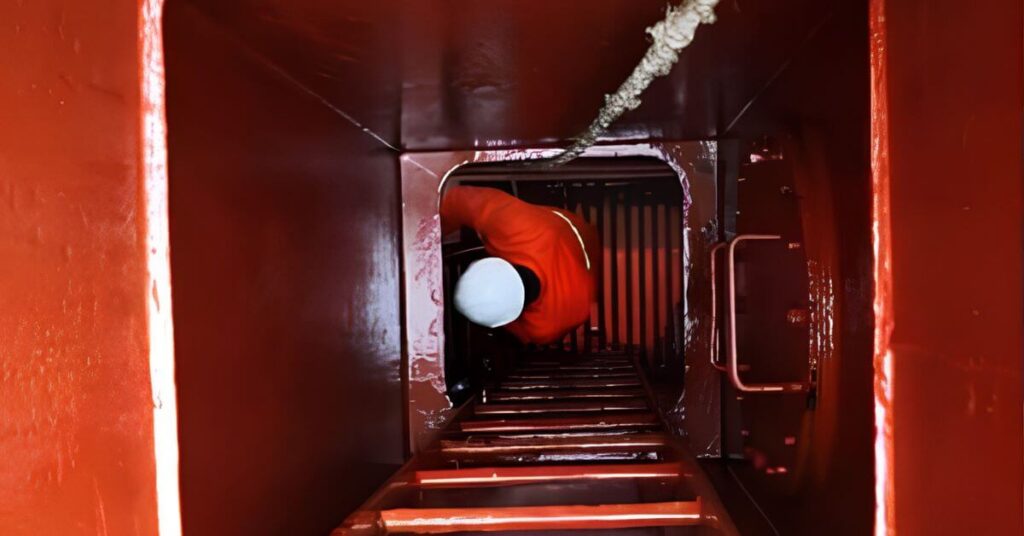
A new study by InterManager has exposed systemic failures in maritime safety after documenting 354 enclosed space accidents between 1996 and 2026 across various vessel types, including tankers, bulk carriers, and containerships. The findings, published on October 19, 2026, reveal a persistent disconnect between safety protocols and the operational challenges faced by crews.
The research, which surveyed over 900 seafarers, identified multiple barriers to safe practices. Crews reported excessive paperwork, staff shortages, and commercial pressures that often force them to prioritize speed over safety. Many described training as inadequate, with some admitting reluctance to address the root causes of accidents. Captain Kuba Szymanski, Secretary General of InterManager, emphasized that the industry must stop blaming seafarers and instead examine flaws in the safety system itself.
Procedures vs. Reality: A Dangerous Gap: enclosed space accidents
Inspections, the study found, frequently focus on procedural compliance rather than real-world effectiveness. This approach fails to account for the practical limitations crews encounter, such as time constraints or insufficient equipment. InterManager warns that without addressing these gaps, accidents will continue to endanger lives.
To reduce risks, the organization calls for regular, practical training tailored to enclosed spaces, including refresher courses and drills that test crew proficiency. Vessel-specific rescue plans and advanced gas detection systems, capable of real-time monitoring, are also recommended to improve response times in emergencies.
Solutions: Training, Technology, and Transparency
Technological advancements could further mitigate dangers. Wearable sensors, digital work permits, and unmanned inspection tools can minimize the need for manual entry into hazardous areas. Ship design improvements, such as optimized equipment placement and durable coatings, may also reduce the frequency of risky maintenance tasks.
However, InterManager highlights a critical obstacle: poor information sharing. Incomplete or inaccurate accident reports prevent the industry from learning from past incidents. Szymanski noted that while the causes of these accidents are well-documented, the measures taken to prevent them remain insufficient. The organization urges ship operators, managers, and training providers to adopt crew-centric solutions and involve seafarers in shaping safety regulations and vessel design.
La Organización Marítima Internacional revisará estas propuestas en la próxima sesión del Comité de Seguridad Marítima, prevista para noviembre de 2024, donde se evaluarán los avances en la implementación de tecnologías y protocolos de transparencia. Mientras, InterManager mantendrá reuniones mensuales con armadores y proveedores de formación para impulsar la adopción de soluciones centradas en la tripulación.


Sign up free to ask CAMAL AI for a summary, the key points or anything else about this story.
Related stories
CAMAL AI
 Financial Ports Newsletter
The maritime economy, every morning
Ports, shipping and freight markets in one short email. Free.



