

13 Crew Dead After Phosphine Gas Leaks Into Ship Accommodation
Toxic gas from fumigated cassava cargo killed 13 of 21 crew members within hours of exposure.
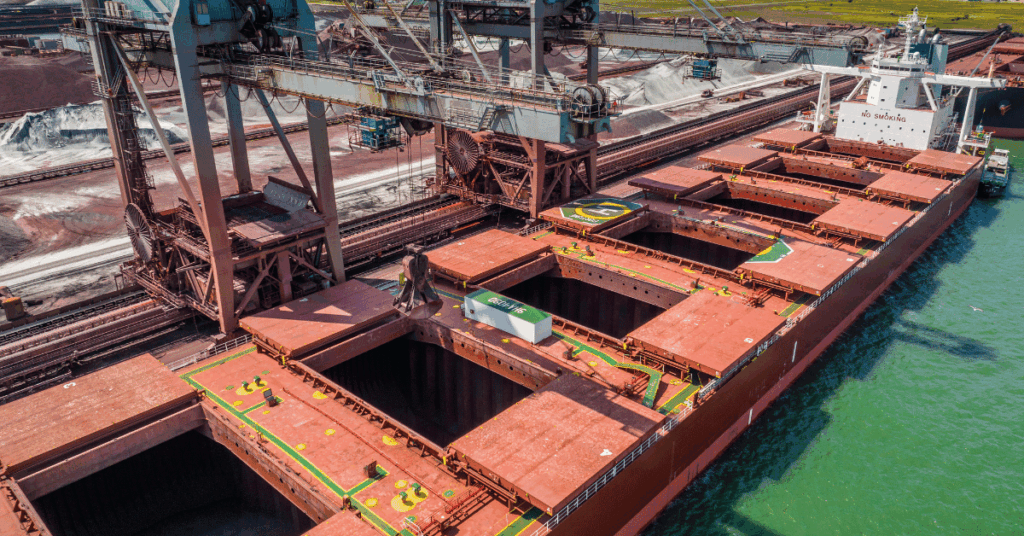
A bulk carrier’s routine voyage turned fatal when phosphine gas from its cargo claimed the lives of 13 crew members, nearly two-thirds of the 21-person team, within 36 hours of departure.
The vessel had loaded cassava chips as cargo before setting sail. Prior to departure, shore-based fumigators applied aluminium phosphide tablets on top of the cargo in each hold and sealed the hatches with tape. While the fumigation team provided a written handover to the Chief Officer, they failed to brief the crew on the associated risks of the procedure.
How the Poisoning Unfolded: Phosphine Gas
Approximately a day and a half into the journey, conditions became deadly. The vessel’s speed slightly exceeded the wind speed, causing gas leaking from the hatch covers to accumulate on the forward deck rather than disperse. The accommodation’s air conditioning system, operating in recirculation mode, created negative pressure inside, drawing contaminated air into living spaces through poorly sealed weathertight doors.
The first to fall ill were watchkeepers in the wheelhouse, where air circulation was highest. They reported chest tightness, nausea, vomiting, breathlessness, and fatigue—symptoms initially attributed to food poisoning or Covid-19. Repeated negative antigen tests reinforced this misdiagnosis, delaying recognition of the true cause. Over the following hours, symptoms spread to 17 crew members, including the Master, who later died before rescue teams arrived.
The Chief Engineer discovered the Master in his cabin, severely ill and vomiting profusely, with his clothes drenched in sweat. After reporting the crisis to the company’s Marine Superintendent, the vessel anchored to await search and rescue. However, by the time help arrived—roughly 12 hours after the Master first fell ill—it was too late. Forensic analysis confirmed the cause of death as toxic pulmonary oedema, a hallmark of phosphine poisoning.
Systemic Failures Exposed
The investigation uncovered critical oversights. The crew had no familiarity with the IMO’s Recommendations on the Safe Use of Pesticides on Board Ships, and the vessel lacked phosphine gas detection equipment. No safety inspections or gas concentration monitoring were conducted after departure.
The incident highlights the dangers of underway fumigation with aluminium phosphide. Experts stress that vessels carrying such cargo must be equipped with gas detection systems and that crews should conduct regular checks throughout the voyage. Additionally, air conditioning in recirculation mode can pull contaminated air into living quarters if door seals are compromised, underscoring the need for rigorous maintenance of weathertight integrity.
Wind direction and vessel speed also played a role in the tragedy, as they allowed gas to accumulate near accommodation areas rather than disperse. Future voyages must account for these factors in route and speed planning. The overlapping symptoms of phosphine poisoning with common illnesses like food poisoning or viral infections further complicate early detection, making clear safety briefings from fumigation contractors and ship officers essential.


Sign up free to ask CAMAL AI for a summary, the key points or anything else about this story.
Related stories
CAMAL AI
 Financial Ports Newsletter
The maritime economy, every morning
Ports, shipping and freight markets in one short email. Free.



