

12,000-Tonne CO₂ Cut: How CMA CGM and DSV Are Reshaping Shipping
CMA CGM and DSV partner to slash 12,000 tonnes of CO₂ emissions over two years using second-generation biofuels.
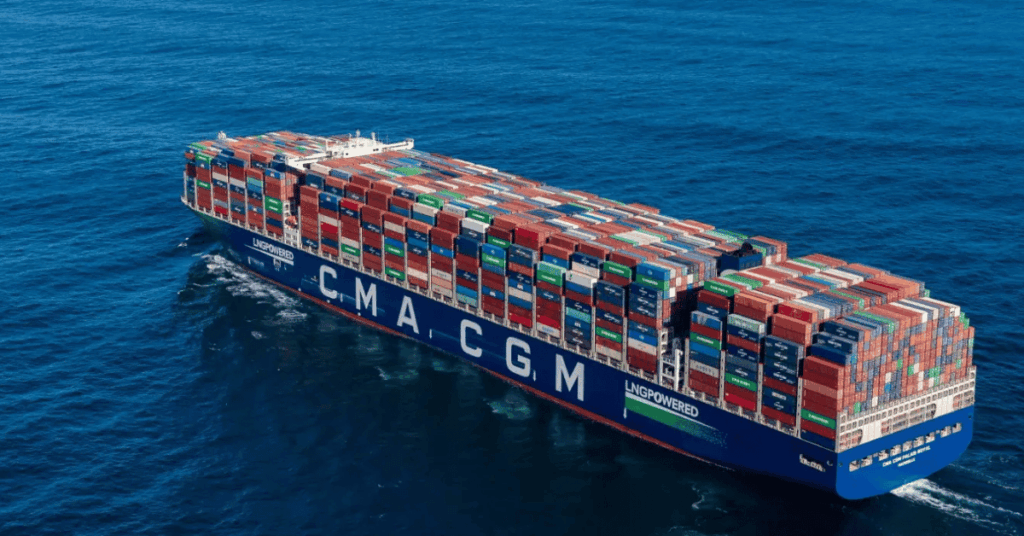
Global logistics leaders CMA CGM and DSV have joined forces to reduce carbon emissions by 12,000 tonnes over the next two years. The partnership leverages CMA CGM’s ACT+ low-carbon shipping solution, which uses second-generation biofuels derived from used cooking oil methyl ester (UCOME).
The initiative marks a significant step toward decarbonizing maritime transport, offering an 83% reduction in CO₂ emissions compared to conventional shipping fuels. For DSV, the agreement aligns with its goal of achieving net-zero emissions across its operations and supply chain by 2050.
How the Partnership Accelerates Decarbonization: CMA CGM
The ACT+ solution provides a scalable way for companies to lower their environmental impact without disrupting supply chain efficiency. By replacing traditional marine fuels with UCOME-based biofuels, the program ensures reliable shipping while cutting emissions. This approach reflects a growing industry trend, with more businesses adopting low-carbon alternatives to meet sustainability targets.
DSV
CMA CGM, a pioneer in sustainable shipping, has long championed cleaner maritime transport. In 2020, the company launched the CMA CGM Jacques Saadé, the world’s first 23,000-TEU container ship powered by liquefied natural gas (LNG). Its fleet expansion includes plans for nearly 200 dual-fuel vessels by 2031, capable of running on LNG and methanol, further supporting its net-zero ambitions.
Industry Collaboration for a Sustainable Future
Michael Hollstein, DSV’s Senior Vice President of Global Ocean Product, highlighted the importance of partnerships in driving change: “Reducing emissions across global supply chains requires strong collaboration and scalable solutions. Through our partnership with CMA CGM, we are expanding access to lower-carbon shipping options for our customers, helping them achieve their sustainability goals.”
Amandine Paulet, Vice President and Deputy Chief Commercial Officer at CMA CGM, emphasized the strategic value of the agreement: “This partnership demonstrates how collaboration can deliver resilient, sustainable logistics while providing high-performance solutions. Together with DSV, we are shaping the future of shipping.”
The maritime sector, responsible for nearly 3% of global greenhouse gas emissions, faces increasing pressure to adopt cleaner practices. Initiatives like this one prove that low-carbon shipping is both feasible and commercially viable, setting a precedent for the industry’s transition toward its 2050 net-zero targets.


Sign up free to ask CAMAL AI for a summary, the key points or anything else about this story.
Related stories
CAMAL AI
 Financial Ports Newsletter
The maritime economy, every morning
Ports, shipping and freight markets in one short email. Free.