

US Tug Delays Push Equinor’s Empire Wind to Mid-2027
Equinor blames late US-built support vessels for months of slippage at its 810 MW New York project
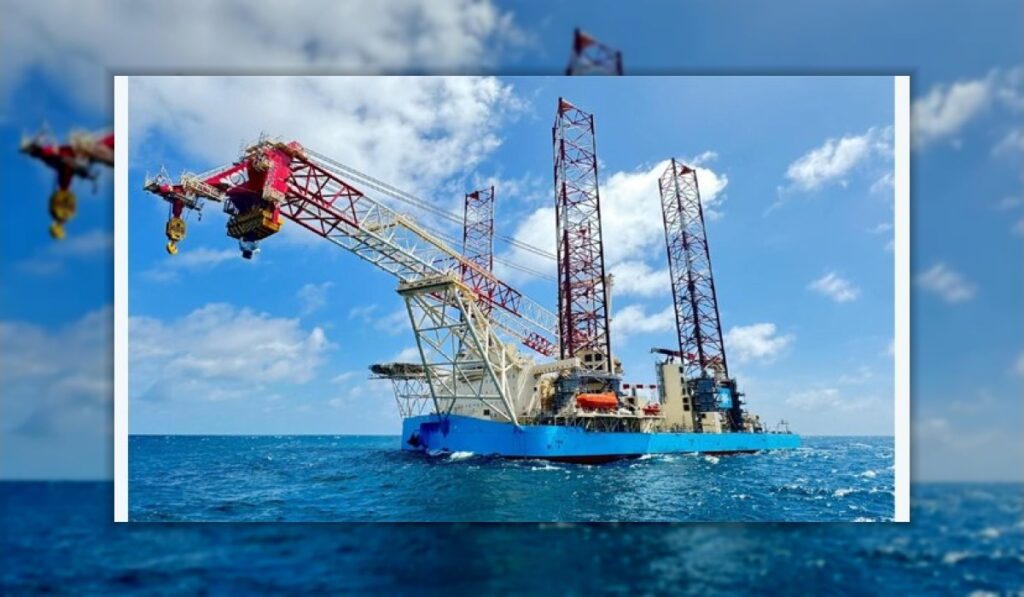
Equinor has attributed delays in its Empire Wind offshore wind project to setbacks in U.S. shipbuilding, pushing back the timeline for delivering its first power. The Norwegian energy company announced on October 28 that the 810-megawatt wind farm, located 14 miles south of Long Island, is now expected to begin operations in mid-2027.
During an investor call, Equinor’s Chief Financial Officer, Torgrim Reitan, acknowledged the project was roughly 80% complete. He noted that while construction had progressed despite earlier disruptions, the final phase faced unavoidable holdups. The company now anticipates starting topside construction in late December, with turbine installation following in the first half of next year.
The delays stem from the late delivery of U.S.-built support vessels. Equinor relies on a specialized system involving the Maersk Viridis, a 40,000-gross-ton installation vessel constructed in Singapore. The vessel arrived in Pascagoula, Mississippi, in August for testing but requires a fleet of Jones Act-compliant tugs and barges to transport turbine components from Brooklyn to the offshore site. These barges, currently under construction in the U.S., have caused a “few months’ delay,” according to the company.
A.P. Møller-Maersk
Despite the setbacks, critical infrastructure is already in place. All 54 turbine foundations have been installed, along with the offshore substation and subsea cabling. Once operational, Empire Wind will feed electricity into New York’s grid via Con Edison’s network.
Regulatory challenges and industry context: Empire Wind
The project has faced repeated regulatory hurdles. The Trump administration issued two stop-work orders in 2025, first in mid-year and again at the end of the year, targeting Empire Wind and four other offshore wind developments. Legal challenges followed, with courts granting preliminary injunctions that allowed construction to resume.
Equinor previously canceled plans for a second phase of Empire Wind, citing rising costs and political opposition. Meanwhile, Ørsted’s nearby Sunrise Wind project, which will generate 924 megawatts, is also nearing completion. According to Newsday, turbine installation is set to begin later this year, with commercial operations expected in the second half of 2027.


Sign up free to ask CAMAL AI for a summary, the key points or anything else about this story.
Related stories
CAMAL AI
 Financial Ports Newsletter
The maritime economy, every morning
Ports, shipping and freight markets in one short email. Free.



