

Why 28% of seafarers sent home suffer in silence
Musculoskeletal injuries account for nearly a third of all seafarer repatriations.
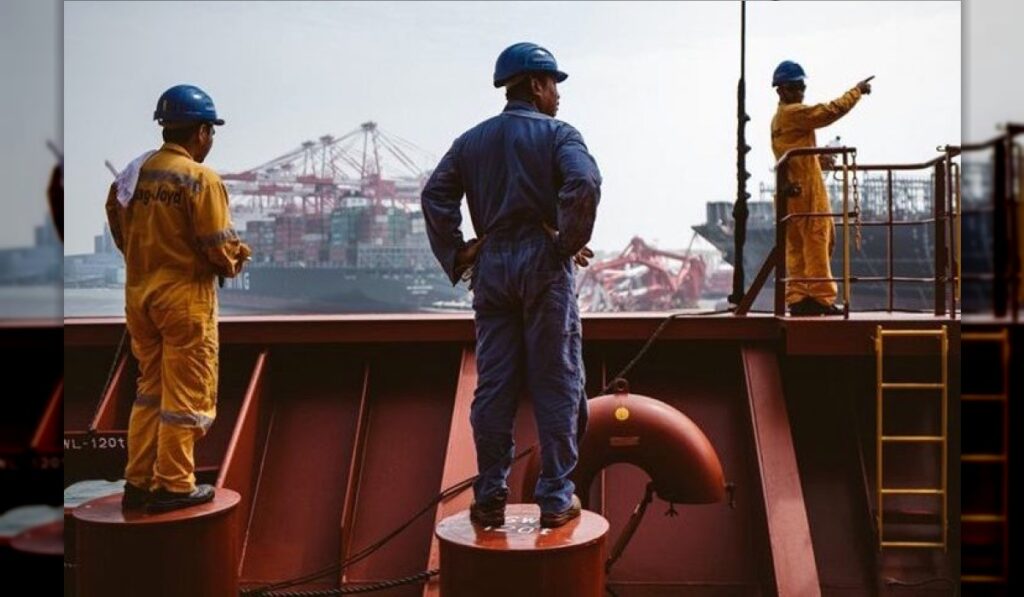
Musculoskeletal injuries are quietly forcing seafarers off ships at an alarming rate, according to data from VIKAND’s OneHealth programme. These conditions—often dismissed as routine aches—now account for 28% of all crew repatriations, with low back and lumbosacral issues alone responsible for 60% of those cases.
The physical demands of shipboard work create a perfect storm for such injuries. Crew members routinely climb ladders, lift heavy equipment, and work in cramped or unstable conditions. Over time, these tasks take a cumulative toll, particularly when minor strains are ignored or written off as part of the job. The data reveals that musculoskeletal and orthopaedic conditions make up 13% of all clinical encounters—the largest single category in the programme.
The cost of silence: musculoskeletal injuries seafarers
Many seafarers delay seeking help, fearing the consequences of reporting pain. Some worry about burdening colleagues with extra work; others fear being sent home. This reluctance often allows manageable conditions to worsen, turning temporary discomfort into mobility-limiting problems that force repatriation. Unlike sudden illnesses or accidents, musculoskeletal issues develop gradually, making it easier for crew members to adjust their movements or assume the problem will resolve on its own.
Telehealth is changing this dynamic. Remote consultations allow clinicians to assess symptoms early, identify warning signs, and determine whether a seafarer’s duties are contributing to the problem. Follow-up sessions then track recovery, ensuring intervention happens before conditions become severe. The results are striking: 72% of musculoskeletal cases managed through OneHealth are successfully treated onboard, allowing crew members to return to work without leaving the vessel.
A workforce at risk
Some injuries will always require treatment ashore, whether through diagnostic imaging, physiotherapy, or specialist care. The goal, however, is to avoid unnecessary repatriations by making decisions based on timely assessments rather than waiting until options narrow. The stakes are higher than individual cases. The data shows that 84% of musculoskeletal cases involve crew members aged 30 to 49—prime working years for seafarers.
For an industry already struggling with retention, this trend is particularly concerning. Recurring back, knee, or shoulder problems can eventually force experienced crew members to leave the profession, not by choice but by physical necessity. As Ronald Spithout, Managing Director of OneHealth by VIKAND, notes: “Musculoskeletal problems are responsible for a significant proportion of crew repatriations, but earlier intervention could help prevent many cases from reaching that stage.”


Sign up free to ask CAMAL AI for a summary, the key points or anything else about this story.
Related stories
CAMAL AI
 Financial Ports Newsletter
The maritime economy, every morning
Ports, shipping and freight markets in one short email. Free.
Financial Ports Newsletter
The maritime economy, every morning
Ports, shipping and freight markets in one short email. Free.



