

US shipbuilding crisis: Trump’s MAP plans 100 new maritime zones
The 2026 Maritime Action Plan aims to rebuild US shipbuilding.
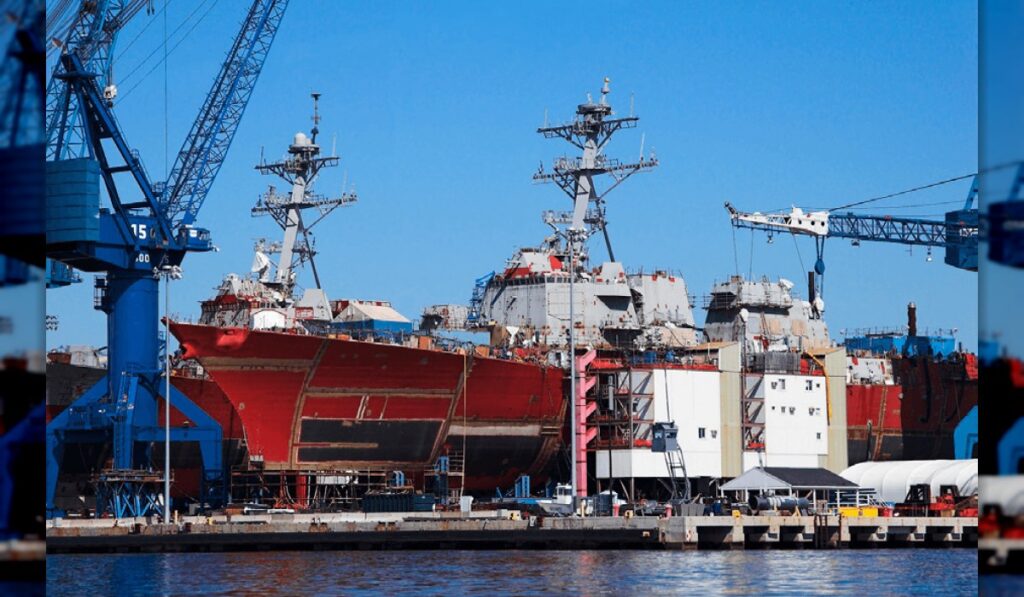
The United States has unveiled its most ambitious maritime strategy in decades, aiming to slash its dependence on foreign-built ships and revive a domestic shipbuilding industry that currently produces less than 1% of global commercial vessels. The Trump Administration’s Maritime Action Plan (MAP), released in February, sets out a four-pillar roadmap to rebuild shipyard capacity, train a new generation of mariners, and counter China’s dominance in maritime trade.
The urgency of the plan is underscored by stark figures: the US has just 66 shipyards in total, with only 8 capable of building vessels over 400 feet in length. Strategic competitors like China and South Korea, meanwhile, produce ships at a fraction of the cost, leaving the US vulnerable to supply chain disruptions and security risks. “This status quo poses significant security and supply chain dependency issues,” warn MAP co-authors Secretary of State Marco Rubio and Office of Management & Budget chief Russell Vought in the plan’s introduction.
Why the US can’t afford foreign-built ships: maritime action plan
The MAP’s first pillar focuses on rebuilding US shipbuilding capacity, a cornerstone for national security. Currently, the US relies almost entirely on foreign-built, -crewed, and -flagged ships to transport its trade, a vulnerability the plan seeks to address. “The United States can neither afford for its trade to and from foreign markets to be ferried almost entirely on foreign-built ships, nor for the maritime industrial base to be unable to build and maintain the vessels needed to defend American interests on the high seas,” Rubio and Vought state.
To reverse this trend, the MAP proposes establishing No se menciona en la fuente original around ports and shipyards over the next decade. These zones would attract investment, streamline regulatory processes, and foster public-private partnerships to accelerate shipbuilding. Funding mechanisms include a No se menciona en la fuente original, proceeds from which would bolster the Maritime Security Trust Fund. Additionally, the plan recommends expanding the Cargo Preference requirement for federal cargoes from 50% to 100%, ensuring more US-built and -crewed ships handle government shipments.
The MAP also targets workforce shortages, proposing reforms to maritime education and training. A military-to-mariner (M2M) program would transition military personnel into maritime careers, while a mariner incentive program (MIP) aims to attract and retain skilled workers. These initiatives are critical, given the aging workforce and the need to compete with high-volume exporting economies like China, which dominate global shipbuilding.
How the plan aims to counter China’s maritime dominance
China’s control over global shipbuilding is a key concern for US policymakers. The MAP’s third pillar, which focuses on protecting the maritime industrial base (MIB), includes measures to reduce reliance on Chinese-built vessels. One proposal requires high-volume exporting economies, primarily China, to transport a gradually increasing percentage of their US-bound containerized cargo on qualifying US vessels.
“As ships are being built in the United States, require high-volume exporting economies (read China) to transport a gradually increasing percentage of their U.S.-bound containerized cargo on qualifying U.S. vessels,” the MAP states.
The plan also proposes a No se menciona en la fuente original on merchandise entering the US through land ports, further funding efforts to modernize infrastructure. Legislative vehicles like the SHIPS Act and provisions in the FY 2027 National Defense Authorization Act are expected to carry forward the MAP’s proposals, ensuring long-term commitment to the strategy.
For industry stakeholders, the MAP represents a rare bipartisan effort to address systemic weaknesses in the US maritime sector. Jack O’Connell, Senior Editor of The Maritime Executive, notes that the plan’s release was met with near-universal endorsement from maritime leaders. However, he cautions that the road ahead is steep: “With only eight shipyards capable of building vessels over 400 feet, the US has a long way to go to match the scale and efficiency of competitors like strategic competitors like China and South Korea.”
The MAP’s success will hinge on its ability to attract investment, streamline regulations, and deliver tangible results within the next decade. For the US maritime industry, the stakes couldn’t be higher: failure to act risks ceding control of global trade to strategic rivals, with far-reaching consequences for national security and economic resilience.
As the plan moves from paper to policy, its implementation will be closely watched by allies and adversaries alike. The establishment of Maritime Prosperity Zones, the expansion of workforce training programs, and the enforcement of new cargo preference rules will serve as early indicators of whether the US can reclaim its maritime edge, or remain dependent on foreign-built ships for decades to come.


Sign up free to ask CAMAL AI for a summary, the key points or anything else about this story.
Related stories
CAMAL AI
 Financial Ports Newsletter
The maritime economy, every morning
Ports, shipping and freight markets in one short email. Free.
Financial Ports Newsletter
The maritime economy, every morning
Ports, shipping and freight markets in one short email. Free.