

US Extends China Ship Fee Freeze to 2027 Amid Trade Talks
Washington proposes a two-month extension of suspended port fees for Chinese vessels.
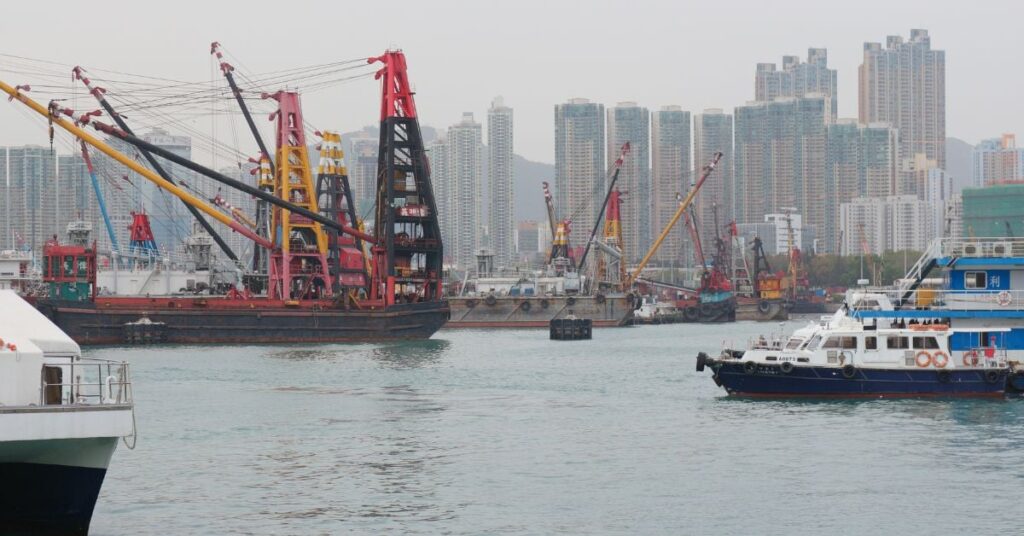
The Office of the United States Trade Representative (USTR) has proposed a two-month extension to the suspension of port fees targeting Chinese-linked shipping vessels. The current freeze, set to expire on November 9, 2026, would now remain in effect until January 9, 2027, according to a notice filed with the Federal Register.
The USTR opened a public consultation period on October 23, 2026, allowing businesses and industry stakeholders to submit feedback until 5:00 p.m. Eastern Time on October 30, 2026. If approved, the extension would apply from 12:00 a.m. Eastern Time on November 10, 2026, through 11:59 p.m. Eastern Time on January 9, 2027, during which no fees would be imposed on affected operators.
Background and Industry Concerns: port fee suspension
The port fee was initially introduced with rates ranging from $18 per ton to $120 per container, depending on the vessel type. The measure aimed to counter China’s growing influence in the maritime sector, particularly its state-supported shipbuilding industry and technological advancements. Under the original regulation, carriers could secure a three-year fee exemption by commissioning new ships from U.S. shipyards.
The suspension of these fees began after a 2025 trade agreement between U.S. President Donald Trump and Chinese President Xi Jinping. The USTR first paused the measure from November 10, 2025, to November 9, 2026, to allow time for negotiations. The latest proposal seeks to extend that pause further as discussions continue.
However, industry groups have raised concerns about the potential impact of the fees. In September 2026, a coalition of trade associations warned U.S. Trade Representative Jamieson Greer that imposing the levy could disrupt transpacific supply chains. The group argued that the fees would disproportionately affect U.S.-based companies reliant on ocean transport for imports and exports, particularly amid already high operating costs and capacity fluctuations.
The USTR has described the extension as a temporary measure, stating that any further action beyond January 2027 will depend on the outcome of bilateral talks with China. The suspension covers maritime transport service fees under U.S. Section 301 action, including vessels owned or operated by Chinese entities, Chinese-built ships, and foreign-built vehicle carriers. It also continues to suspend additional 100% duties on Chinese ship-to-shore cranes and certain cargo-handling equipment.


Sign up free to ask CAMAL AI for a summary, the key points or anything else about this story.
Related stories
CAMAL AI
 Financial Ports Newsletter
The maritime economy, every morning
Ports, shipping and freight markets in one short email. Free.



