

US pushes China ship fee truce to 2027 amid trade talks
Washington proposes two-month extension of port fees on China-linked vessels until January 9, 2027.
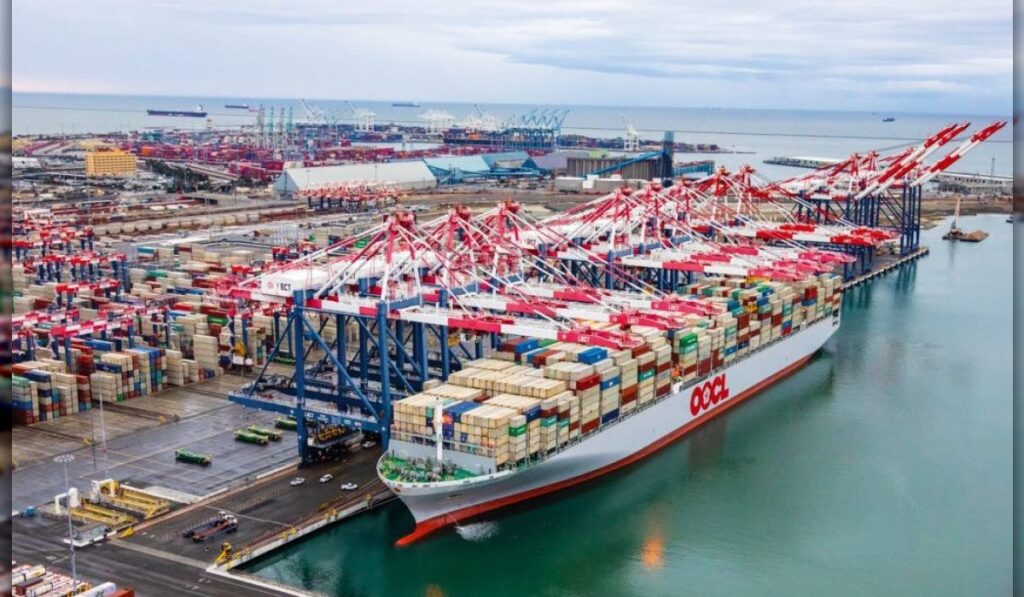
The move, announced by the Office of the United States Trade Representative (USTR), would keep the controversial Section 301 vessel charges on hold, sparing operators from additional costs while talks remain deadlocked.
The proposed extension, outlined in a Federal Register notice scheduled for publication on October 26, would prolong the existing suspension of fees that apply to Chinese-owned, Chinese-operated, and Chinese-built vessels calling at U.S. ports. The charges, introduced in October 2025 under Washington’s Section 301 investigation into China’s maritime dominance, initially targeted a broad range of tonnage, including foreign-built vehicle carriers with ties to China.
The original measures were in effect for less than four weeks, from October 14 to November 9, 2025 (expiración) / November 10, 2025 (inicio suspensión), before both Washington and Beijing agreed to a one-year suspension as part of a broader trade deal struck in South Korea. The agreement also covered retaliatory fees imposed by China on U.S.-linked vessels, as well as separate duties on ship-to-shore cranes and other cargo-handling equipment.
What the extension means for shipping lines and ports: China
The USTR’s latest proposal would maintain the suspension of fees under Annexes I, II, and III of the Section 301 action, which cover vessels, cranes, and related equipment. In a statement accompanying the proposal, the USTR noted that the U.S. is “continuing to engage with China with the goal of obtaining the elimination of the acts, policies, and practices at issue in the investigation.".
The proposal has drawn mixed reactions from industry stakeholders. trade gateways and negate broader efforts to stabilise shipping costs.
supply chains,” the NRF said in its submission. Meanwhile, labour organisations like the United Steelworkers, which initially petitioned for the Section 301 investigation in 2024, have maintained that the fees are necessary to counter China’s state-backed shipbuilding subsidies, which they argue distort global competition and threaten American jobs.
The Section 301 investigation, launched by the Biden administration following the 2024 petition, concluded that China’s industrial policies and subsidies had created an uneven playing field, undermining U.S. commerce. The resulting port fees were a cornerstone of the Trump administration (propuesta de extensión)’s strategy to curb China’s maritime dominance and spur investment in domestic shipbuilding.
Industry reactions and the road ahead
The USTR has set an October 30 deadline for public comments on the proposed extension. Stakeholders are expected to weigh in on whether the suspension should be prolonged or allowed to lapse, with the outcome likely to hinge on the progress of ongoing trade negotiations between Washington and Beijing.
For now, the two-month extension offers a temporary lifeline for operators, but the broader question of how to address China’s maritime dominance remains unresolved. Industry leaders will be watching closely as the January 9, 2027, deadline approaches, with many bracing for a potential resumption of fees if no long-term agreement is reached.
The Office of the United States Trade Representative, led by U.S. Trade Representative Jamieson Greer, has framed the extension as a pragmatic step to maintain stability in the shipping sector while diplomatic efforts continue. However, with the 2024 election looming and trade policy remaining a contentious issue, the fate of the Section 301 vessel charges could become a political flashpoint in the coming months.
For shipping lines, ports, and retailers, the stakes are high: any disruption to the current truce could ripple through global supply chains, exacerbating existing challenges and driving up costs for businesses and consumers alike.
As the public consultation period unfolds, the USTR’s decision will be closely scrutinised by all sides. The agency has not indicated whether it plans to consider further extensions beyond January 2027, leaving the door open for additional negotiations. For now, the industry can breathe a sigh of relief, but the clock is ticking.


Sign up free to ask CAMAL AI for a summary, the key points or anything else about this story.
Related stories
CAMAL AI
 Financial Ports Newsletter
The maritime economy, every morning
Ports, shipping and freight markets in one short email. Free.



